
Last updated November 14, 2026
 AC repair
 Furnace & heating
 Heat pumps
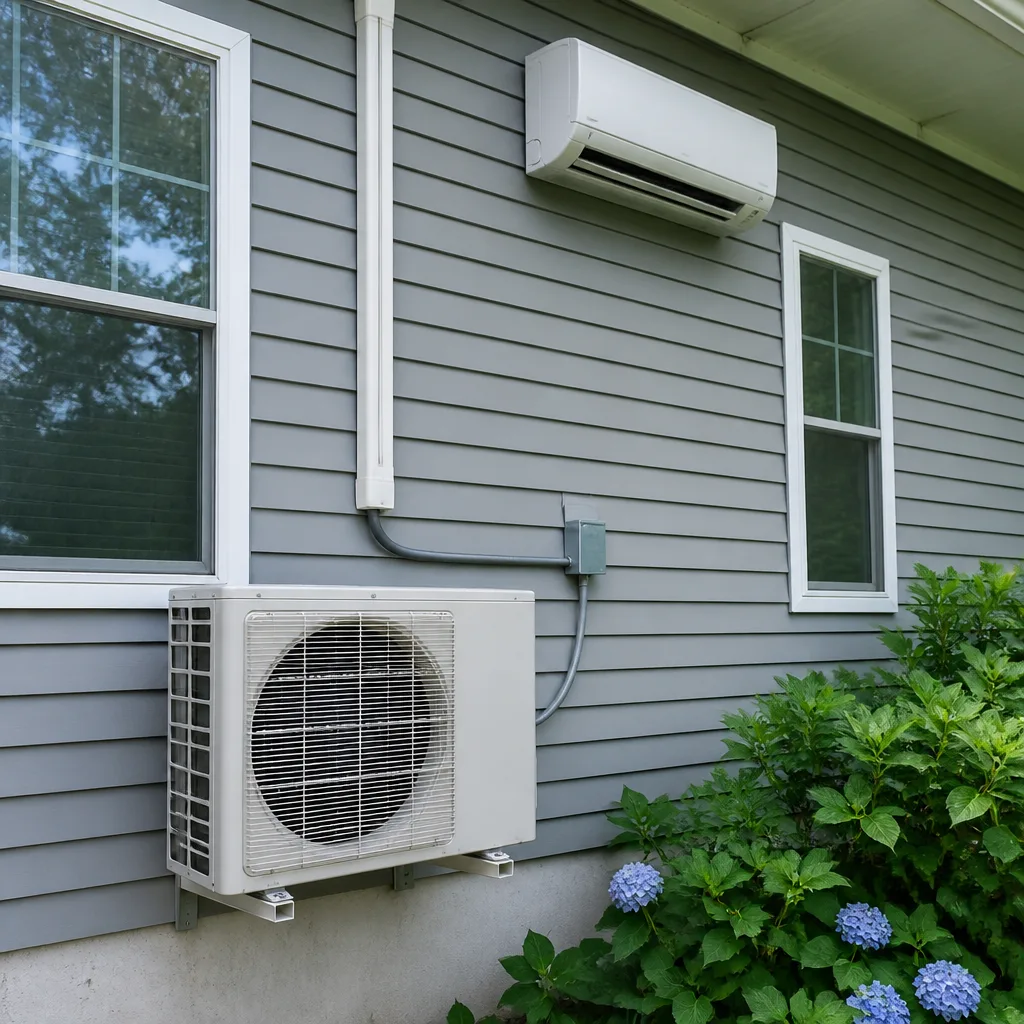 Ductless mini splits
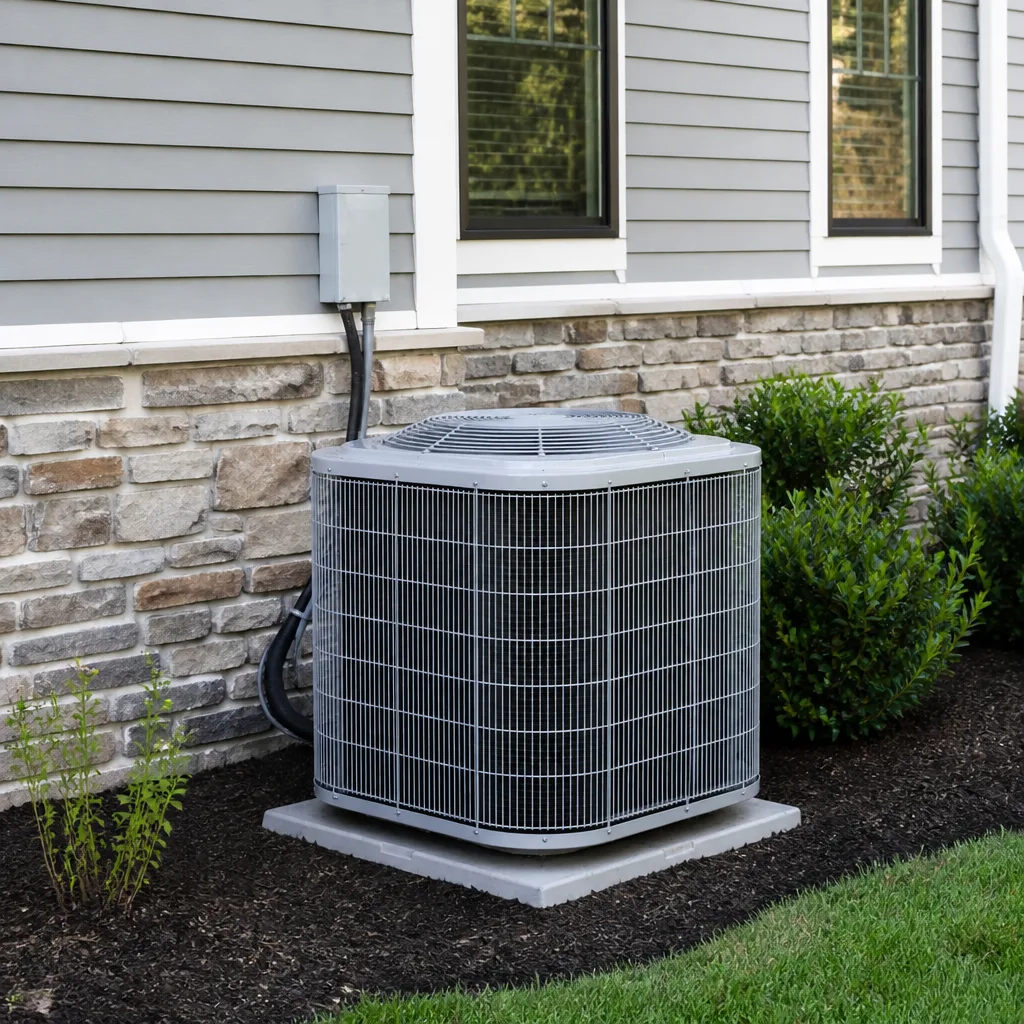 Carrier
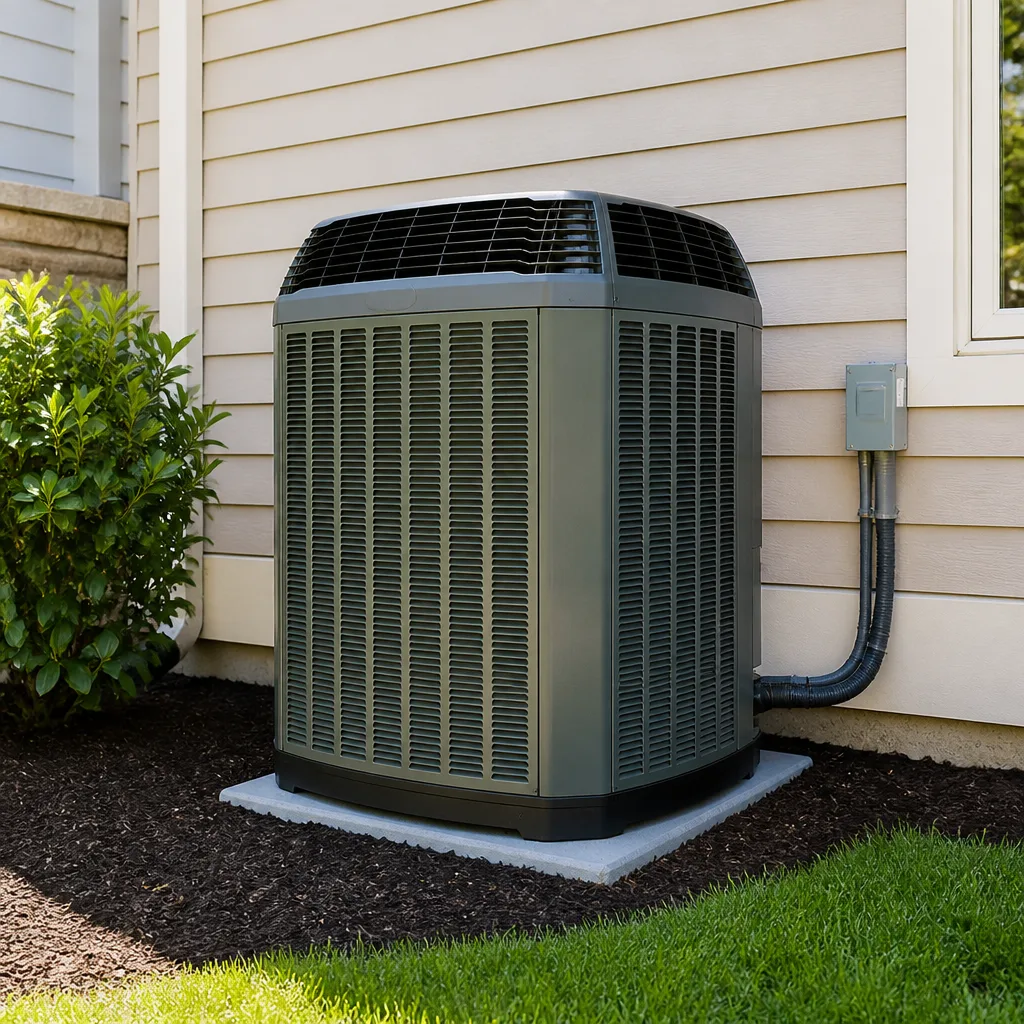 Trane
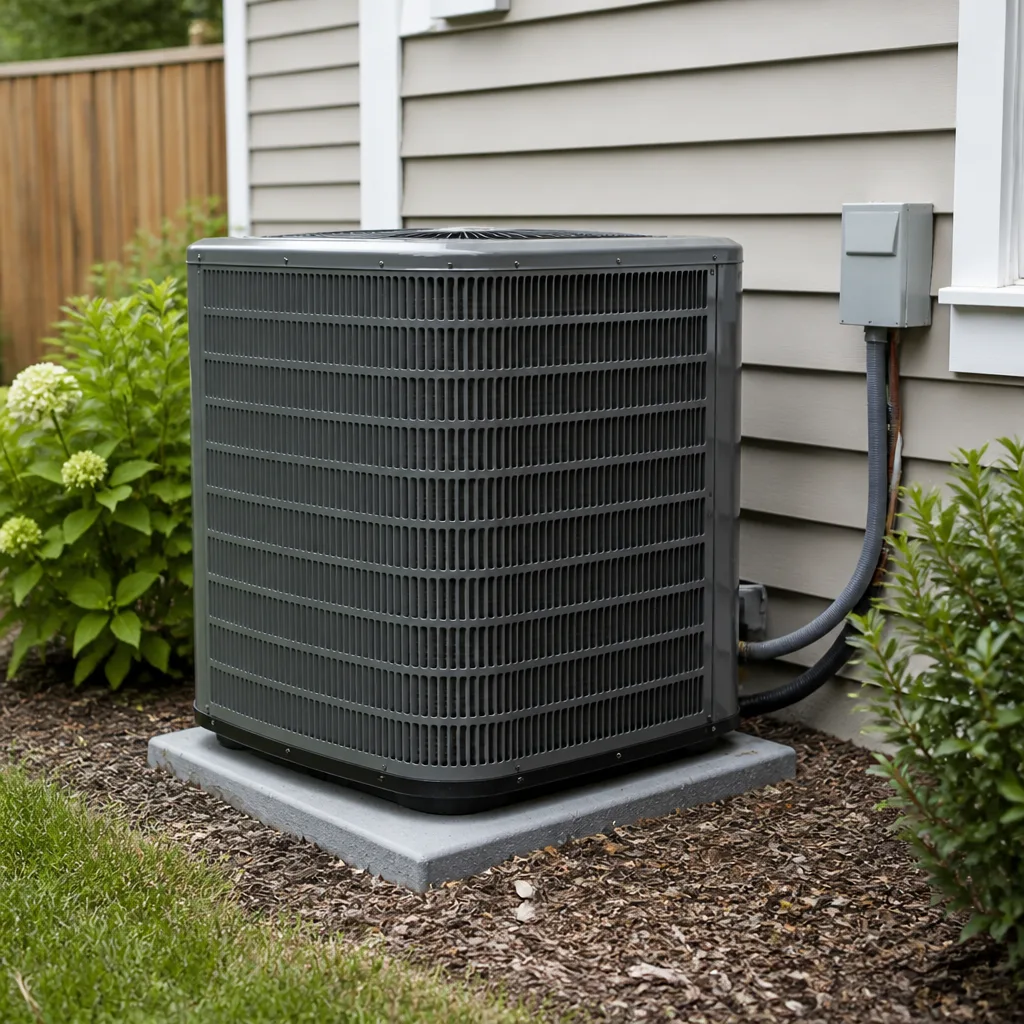 Goodman
Seasonal tune-up and full diagnostic on your Carrier, Trane, or Goodman system - readings shown to you before any repair is proposed
Diagnosis first, numbers second - you approve the repair price before a single part goes in.
Get your free estimateHVAC Emergency Preparedness Guide for Provo Homes
Most homeowners in Provo think an HVAC failure is a comfort problem. The truth is sharper than that. When the outdoor temperature crosses 100°F in July or the overnight low drops into the single digits in January, a failed system becomes a health event with a countdown attached. The decisions you make in the first hour, before anyone knocks on your door, determine how bad the next four hours get. This guide walks through exactly what those decisions should be, on both the hot side and the cold side, so the plan exists before you need it.
Quick Answer
During an HVAC emergency in Provo, your job in the first two hours is to slow temperature movement inside the house, protect vulnerable people and water lines, and give the dispatcher enough equipment detail to bring the right parts on the first visit. Slow the temperature change first, then call. Heat and cold both build faster than most people expect, and you can’t undo the first hour.
Styles & brands we work with
- AC repair
- Furnace & heating
- Heat pumps
- Ductless mini splits
- Carrier
- Trane
- Goodman
Table of Contents
- What to Do First When Your AC Fails in Provo Heat
- How Fast Does a Provo Home Heat Up Without AC?
- What to Do First When Your Furnace Fails in Provo Cold
- Pipe Freeze Risk Timeline by Home Type
- What to Tell the Dispatcher
- Pre-Emergency Information to Gather Now
- Rocky Mountain Power and Dominion Energy: Outage or Equipment?
- Common Mistakes to Avoid
What to Do First When Your AC Fails in Provo Heat
When the air handler keeps running but the air comes out warm, or the whole system shuts down mid-afternoon, the clock starts. Provo summers are dry and unforgiving, and the interior of an uncooled home climbs much faster than the outdoor numbers suggest because the sun loads the roof deck and the windows together.
Your first hour should be a sequence, not a scramble. Follow it in order:
- Get the vulnerable people to a cooler room first. Infants, elderly family members, anyone with heart or respiratory conditions, and pets go to the coolest spot in the house, ideally a lower level with north or east exposure.
- Close every east and south-facing window and pull the blinds down. That is where the morning and afternoon sun load comes from. Blocking it does more than opening the whole house will.
- Open the west-facing windows on the shaded side only. This gives cross ventilation on the cool side without letting the sun side bake the room.
- Kill internal heat sources. Turn off the oven and the dryer. Stop the dishwasher until the evening. Replace incandescent bulbs if any remain with cooler options. Skip the stovetop and use a microwave or outdoor cooking until the system is back.
- Run ceiling fans only in rooms someone is in. Fans cool people, not air. Running five fans in empty rooms just moves hot air around and adds heat from the motor.
- Wet cloths on the neck, wrists, and ankles. Evaporative cooling through the skin is genuinely effective in Provo’s dry air in a way it isn’t in a humid climate. This is the underrated tool that gets people through a hot afternoon.
- Check the thermostat setting and the breaker before you call. A blown capacitor or tripped breaker looks like a dead system. That information goes to the dispatcher too.
If the indoor temperature crosses the high 80s and anyone in the household is showing signs of heat stress (confusion, headache, nausea, no sweating), get to another building. A neighbor, a family member, a library. The system fix can wait. The health risk can’t.
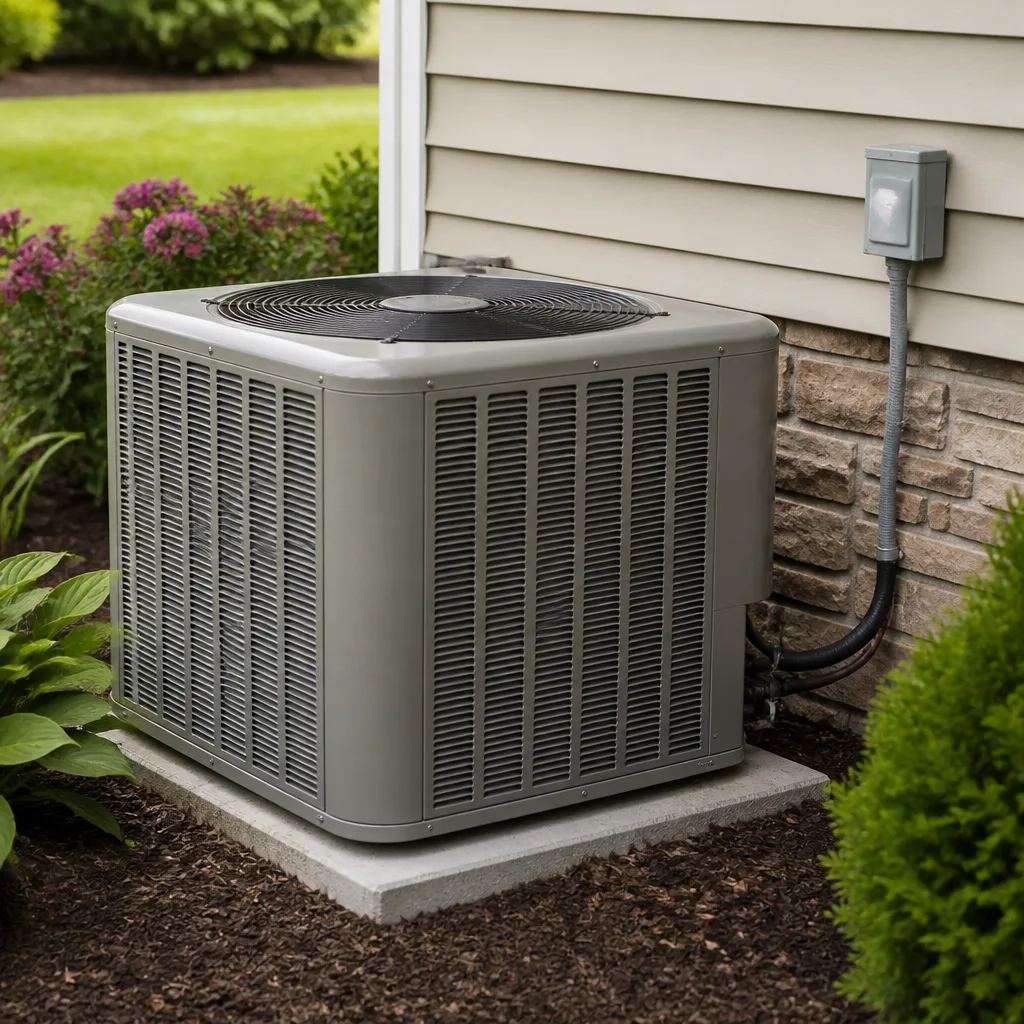
For quick repair of a cooling failure, our AC repair team runs the same brand-specific diagnostics our full shop uses, from Carrier to American Standard.
How Fast Does a Provo Home Heat Up Without AC?
A typical Provo home without cooling reaches the mid-90s indoors within about four hours on a day when the outdoor temperature crosses 100°F. The exact number depends on insulation, window area, roof color, and how much shade the house gets, but the timeline is shorter than almost anyone expects. The indoor temperature lags the outdoor peak by roughly two to three hours in a well-built home and by less in a home with older windows or a dark roof.
What that means practically:
- Hour 1: The house is still tolerable. Interior temperature rises a few degrees. This is your window to act fast and effectively.
- Hour 2: The house noticeably warms. Vulnerable occupants start to feel it. If you haven’t closed the sun-side windows, do it now.
- Hour 3: Indoor temperature can reach the mid-80s in a typical Provo rambler or a two-story with west-facing bedrooms.
- Hour 4: Mid-90s is common. At this point you’re managing a heat event, not a repair appointment.
Homes in the tree-lined streets around the Joaquin neighborhood warm more slowly than newer builds out west where there’s less shade and more exposure. The house’s orientation to the afternoon sun matters as much as the insulation value in the attic. If you have a home office on the west side, that room will be the hottest spot first and the last to cool down when the system comes back.
The mental model that helps: think of your house as a slow oven. Once it heats, it takes just as long to come back down as it did to warm up, so slowing the rise in hour one pays off for the rest of the day.
What to Do First When Your Furnace Fails in Provo Cold
Winter in Provo is shorter and milder than most of the state, but the overnight lows still drop into the single digits. A furnace that quits at bedtime is a different problem than a dead AC. The risk shifts from heat stress to pipe freeze and, in extreme cases, carbon monoxide exposure if the failure involves a combustion issue.
Move through this sequence:
- Confirm the failure is real. Check the thermostat, the furnace breaker, and the gas shutoff valve. If the valve has been turned off, that alone explains a dead furnace.
- Check that the thermostat isn’t set to cooling or fan-only. Sounds obvious. We’ve seen it more than once.
- Do not run the furnace repeatedly if you smell gas. Leave the house, don’t touch light switches, and call the gas utility from outside. Gas safety is not a DIY project.
- Close off rooms you don’t need to keep warm. Spare bedrooms, storage rooms, the laundry. Every cubic foot you keep at 68°F is heat you’re not losing to the rest of the house.
- Open the cabinet doors under sinks on exterior walls. This lets warm interior air reach the pipes. It’s the single easiest freeze-protection step in a Provo home.
- Let the faucets drip. A steady pencil-thin stream on the most exposed fixture keeps water moving and reduces freeze risk. Do this at night when temperatures are lowest.
- Keep the thermostat at a normal setting and don’t turn it down to “save money.” If the furnace is failing to keep up, turning it down hides the symptom and speeds up pipe freeze.
- Call for service and keep a written log of the indoor temperature at the thermostat every hour. That log tells the technician exactly what the equipment has been doing and often cuts diagnostic time.
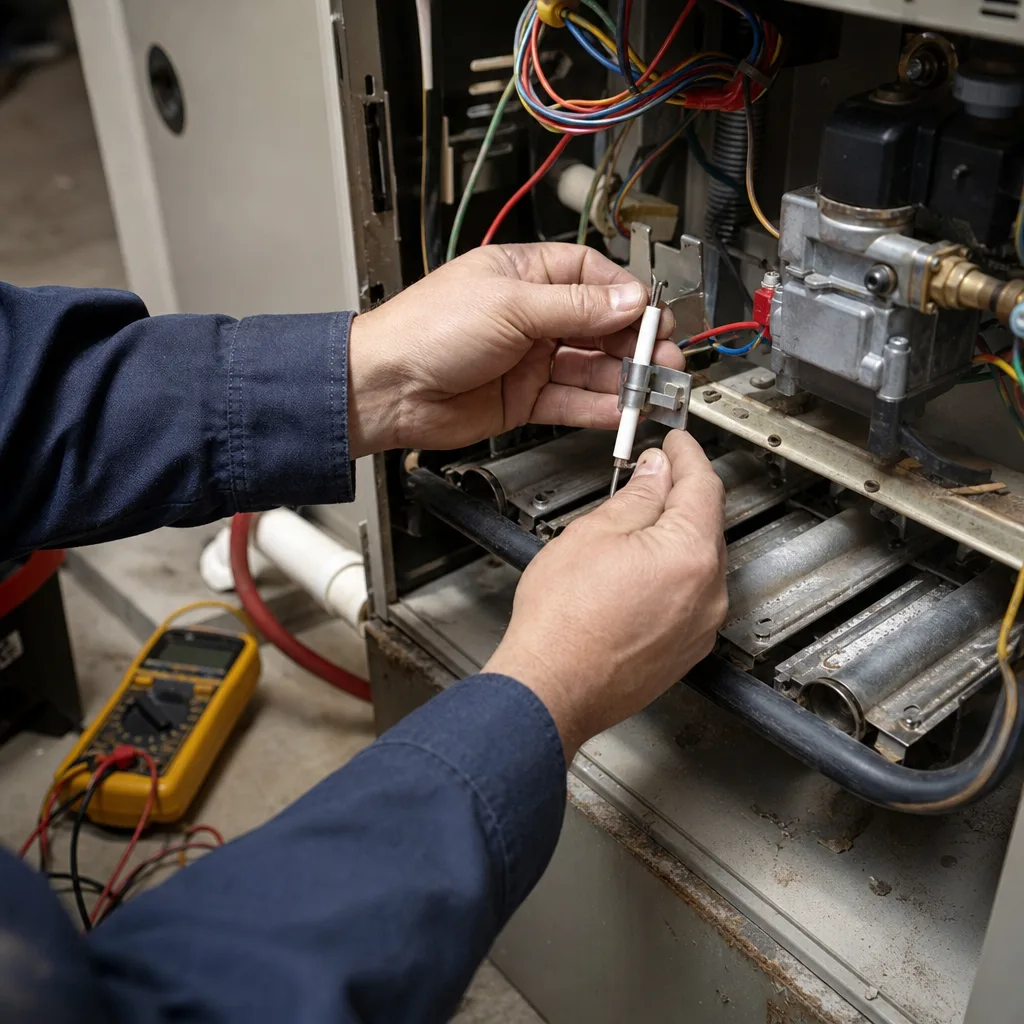
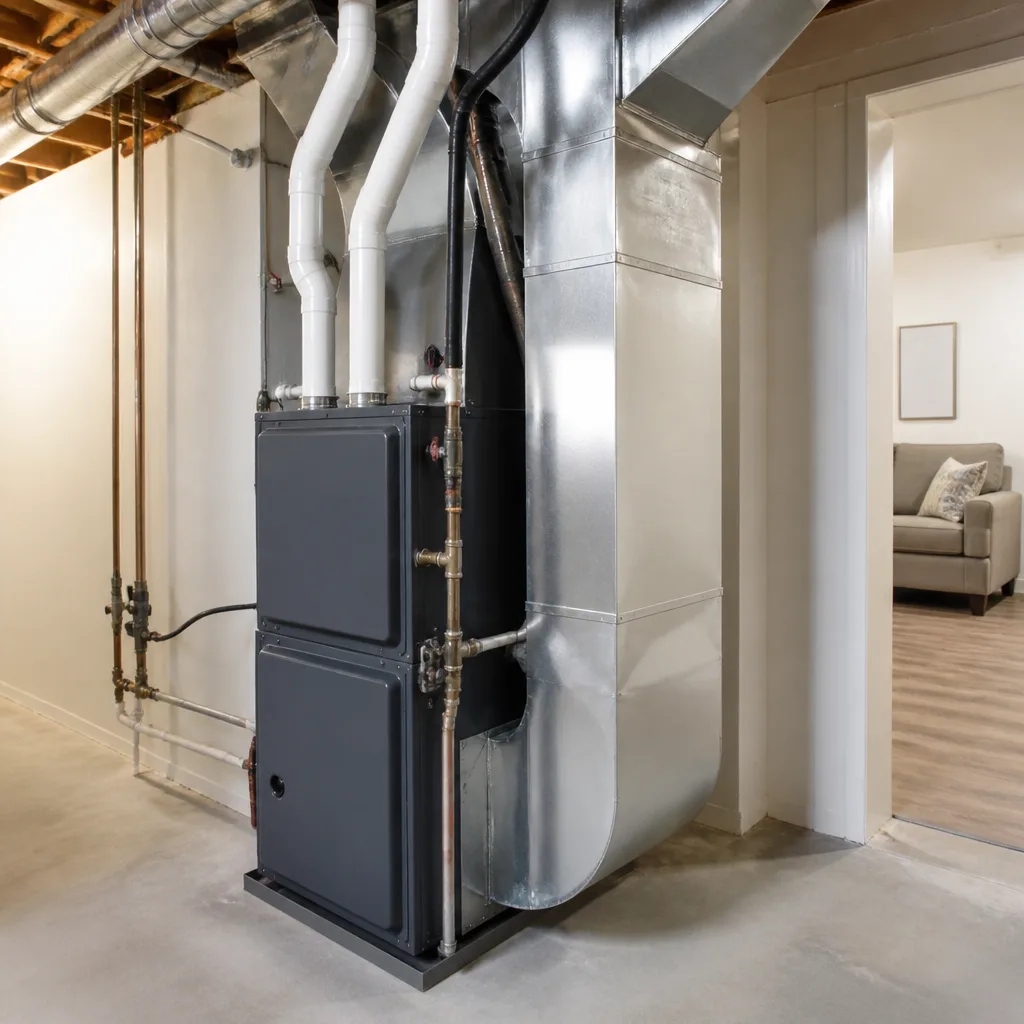
For furnace failures, our AC Repair Provo team handles the heating side with the same brand-aware approach we use on the cooling side, including Trane, Lennox, Goodman, and Rheem equipment.
Pipe Freeze Risk Timeline by Home Type
Pipe freeze in Provo usually starts with the exterior-wall pipes in older homes and the pipes in an unheated crawlspace or garage before it threatens the interior walls. The timeline depends heavily on house type and insulation.
- Older homes (pre-1980s construction) with wall-mounted plumbing on exterior walls: Freeze risk begins when the indoor temperature falls below roughly 45°F for several hours, often within 8 to 12 hours of a furnace failure on a night with outdoor temps in the teens or single digits.
- Homes with plumbing in an uninsulated crawlspace: Higher risk than exterior-wall plumbing in some cases, because cold air settles under the floor. Watch for a really cold floor near bathrooms and kitchens as an early sign.
- Homes with a heated basement or finished lower level: Lower freeze risk, because the basement holds heat longer than above-grade rooms. Still watch exterior-wall fixtures.
- Homes with plumbing in an attached garage or utility closet on an exterior wall: Highest risk in a cold snap. These are the spots to protect first with cabinet doors open and heat allowed to reach.
- Homes with PEX plumbing: PEX stretches before it bursts, so leaks may not show until it’s stressed repeatedly. The freeze risk is still real, just less sudden.
- Homes with copper plumbing: Higher rupture risk when a freeze happens. Copper splits rather than stretches.
If the indoor temperature is still above 55°F, you’re likely safe for many hours. Below 50°F for a prolonged period, the pipe risk climbs. Below 40°F, treat it as urgent and consider a hotel or a family member’s home for the night. Leaving a house takes the pressure off the repair timeline. Staying requires the drip-the-faucets discipline and a willingness to keep checking.
An important detail for Provo homeowners: a frozen pipe is not automatically a burst pipe. If you suspect a pipe has frozen, shut off the main water valve before it thaws and inspect the run. Thaw slowly and watch for leaks. If you don’t know where the main shutoff is, find it before the next cold snap.
What to Tell the Dispatcher
The information you give the person answering the phone determines which technician gets assigned and whether the right parts are on the truck. A generic “my AC isn’t working” call turns into a second visit. A precise call gets it fixed on the first one. Here’s what to have ready:
- Manufacturer and year of the equipment, if you know it. The brand matters because diagnosis differs by model. Our technicians work across nine leading manufacturers, so the brand name in your call doesn’t route you elsewhere. It routes you to the right person.
- Model number and serial number. Located on a metal plate on the outdoor condenser, the indoor air handler or furnace, and sometimes inside the furnace cabinet door. In Provo homes, the plate is often on the side of the outdoor unit facing the house and can be hard to read after a few summers of sun. Photograph it once and keep the photo on your phone.
- Symptom onset: When did the problem start, and did it start gradually or all at once? “Began yesterday, weak cooling, now nothing” tells a very different story than “worked fine two hours ago, now dead.”
- What you’ve already checked: Breaker, thermostat setting, filter condition, gas valve (for furnace), and whether the outdoor unit fan is running.
- Any unusual sounds or smells: Rattling, humming, buzzing, hissing, burning smell, or a sulfur odor. Each points to a different failing component.
- Ice visible on the outdoor unit or refrigerant line. This is a specific, urgent symptom that often means low refrigerant or restricted airflow, not a simple thermostat issue.
- The address and the access details: Gate codes, dogs, and where the equipment is located. If the outdoor unit is on the roof, say so. It changes what the technician brings.
- Any recent power event: Rolling brownout, breaker trip, or nearby construction that may have affected the service panel.
Write that list on a card and put it inside the furnace closet door. It’s the kind of small preparation that saves 20 minutes on the call and often shortens the diagnostic time.
Pre-Emergency Information to Gather Now
Do this on a calm weekend, not during an outage. The information is easy to gather when nothing is wrong and nearly impossible to gather in the dark or in 100°F heat. Here’s what every Provo homeowner should have written down or photographed on a phone:
- Equipment plate photos. One for the outdoor condenser (model, serial, and refrigerant type). One for the indoor furnace or air handler (model and serial). One for the thermostat if it’s an older model. Store them in a phone album called “HVAC.”
- Gas shutoff location. The main gas shutoff at the meter, plus the appliance shutoff near the furnace. Photograph both in the open position so you know what “on” looks like.
- Electrical disconnect location. The outdoor AC disconnect box, usually within a few feet of the condenser, plus the furnace breaker in the main panel. Label the breakers.
- Thermostat brand and model. If you have a programmable or smart thermostat, note whether it controls both heat and cool and whether your phone can monitor it remotely.
- Annual filter size and where the filter lives. Return grille, filter cabinet, or air handler. A clogged filter is the single most common cause of summer cooling failure we see in Provo.
- Utility account numbers. Rocky Mountain Power and Dominion Energy account numbers, saved to a phone note. You’ll need them fast for outage reporting.
- A trusted HVAC contact. Save a phone number you trust so you’re not searching at the worst moment.
Photograph all of it and share the album with whoever else lives in the home. In a real emergency, the person who knows the gas shutoff location is often the person who isn’t you.
Rocky Mountain Power and Dominion Energy: Outage or Equipment?
The first question in any HVAC emergency is whether you have an equipment failure or a grid outage. The answer changes who you call. In Provo, electricity comes from Rocky Mountain Power and natural gas from Dominion Energy. Both maintain their own outage reporting and priority-service programs, and both draw a line between a grid problem and a problem inside your home.
Run this check first:
- Look at the neighbors’ lights. If the whole block is dark, it’s a grid outage. Report it to Rocky Mountain Power through their outage line or app. Don’t call an HVAC company until the power is back.
- Look at your own panel. A single tripped breaker for the AC or furnace is an equipment-side problem. Reset it once. If it trips again, stop and call a technician. Repeated breaker tripping points to a failing compressor, a short, or a wiring issue.
- Check the gas meter. If you smell gas or the meter dials are moving with everything off, call Dominion Energy from a safe location outside the house.
- Check the neighborhood for scheduled work. Rocky Mountain Power and Dominion Energy both post planned outage notices. A short planned outage explains a temporary failure that resolves itself.
- Priority service programs. Both utilities maintain medical-priority or life-supported customer programs. If anyone in the household relies on powered medical equipment or has a documented health vulnerability, enroll in advance through the utility. That enrollment doesn’t change your HVAC service; it changes who gets the power back first.
A useful thing to keep in mind for Provo homes: even after the grid comes back, a compressor that was mid-cycle when the power dropped can trip the breaker on restart. Reset once, and if it doesn’t hold, call. Repeated power cycling in a summer thunderstorm is one of the more common reasons a system ends up needing AC repair once the weather clears.
If you’re planning a system replacement and want to reduce the number of emergencies you face next summer, look at AC installation with a properly sized system before the season starts.
Common Mistakes to Avoid
- Opening every window in the house in a summer failure. This lets the hot afternoon air in through the sun side and accelerates the indoor temperature rise. Close the sun-side windows and use cross ventilation only on the shaded side.
- Running the AC continuously on a frozen outdoor unit. Ice on the refrigerant line means the system is trying to cool with a restricted flow. Running it that way can damage the compressor. Shut it off and call.
- Assuming a dead system means a dead compressor. In our experience, a large fraction of “dead AC” calls turn out to be a failed capacitor, a tripped breaker, or a clogged filter. Don’t let a neighbor or a search result talk you into a replacement before a technician has looked.
- Turning the furnace all the way down to save money on a cold night. A failed or struggling furnace is not the moment to lower the thermostat. The pipe-freeze risk increases and diagnosis gets harder.
- Waiting to call until the house is already in the 90s. The wait gets longer than you expect. The right technician and the right parts take a call, and the sooner the call, the sooner the house stops warming.
- Not recording the model and serial before the equipment fails. The plate is hard to read in the dark, and the photo you didn’t take becomes a delay. Do it now.
- Calling a general contractor instead of an HVAC specialist. A brand-specific diagnosis matters on modern equipment. A generalist guessing at a Trane or a Lennox can waste a visit. Our service menu is three things: AC repair, AC installation, and furnace repair. That focus is the point.
See the difference
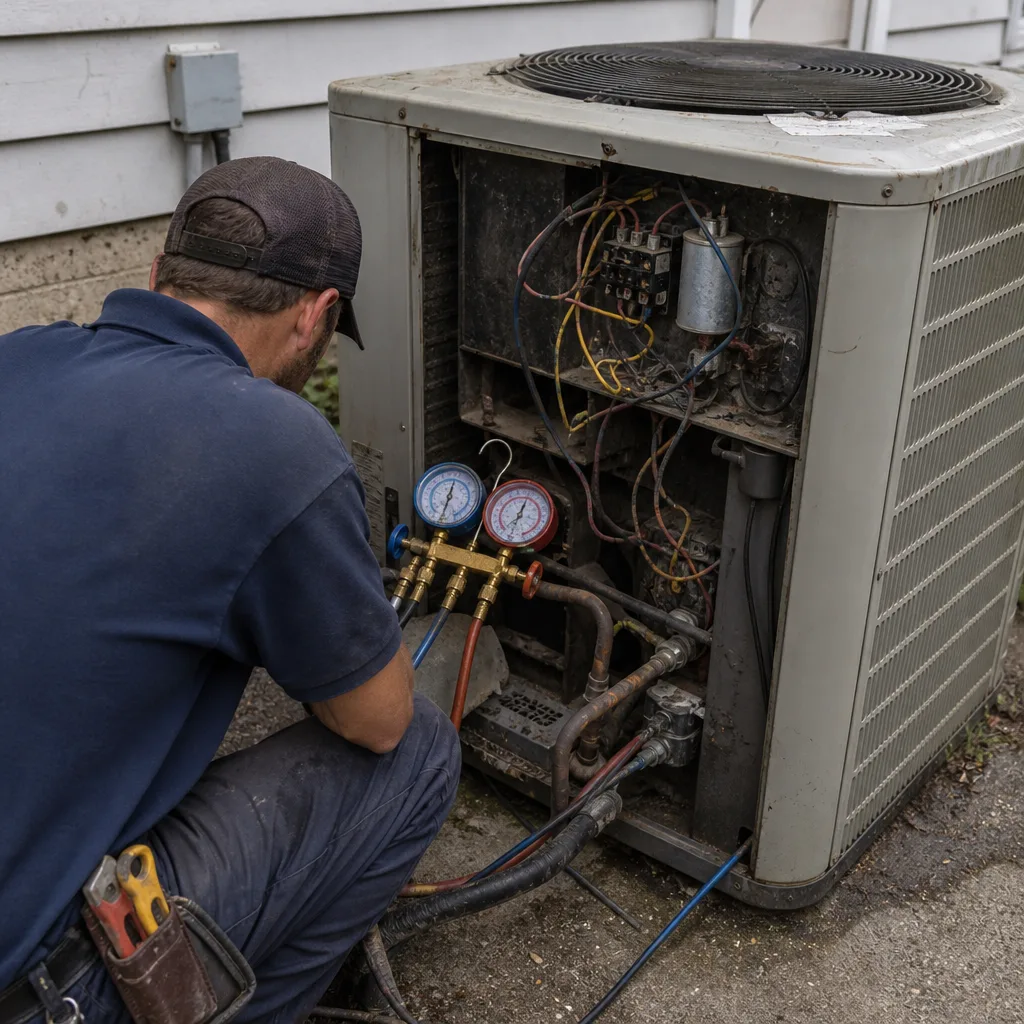 Before
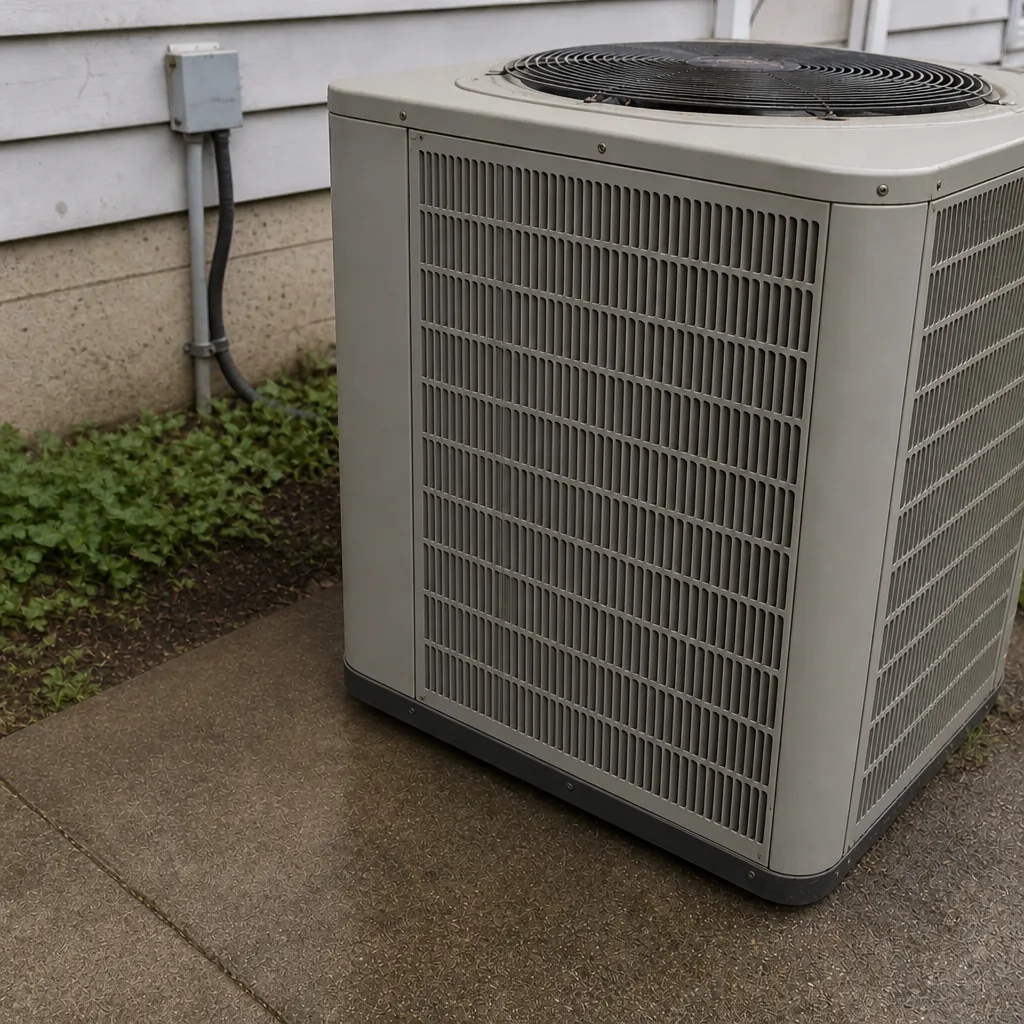 After
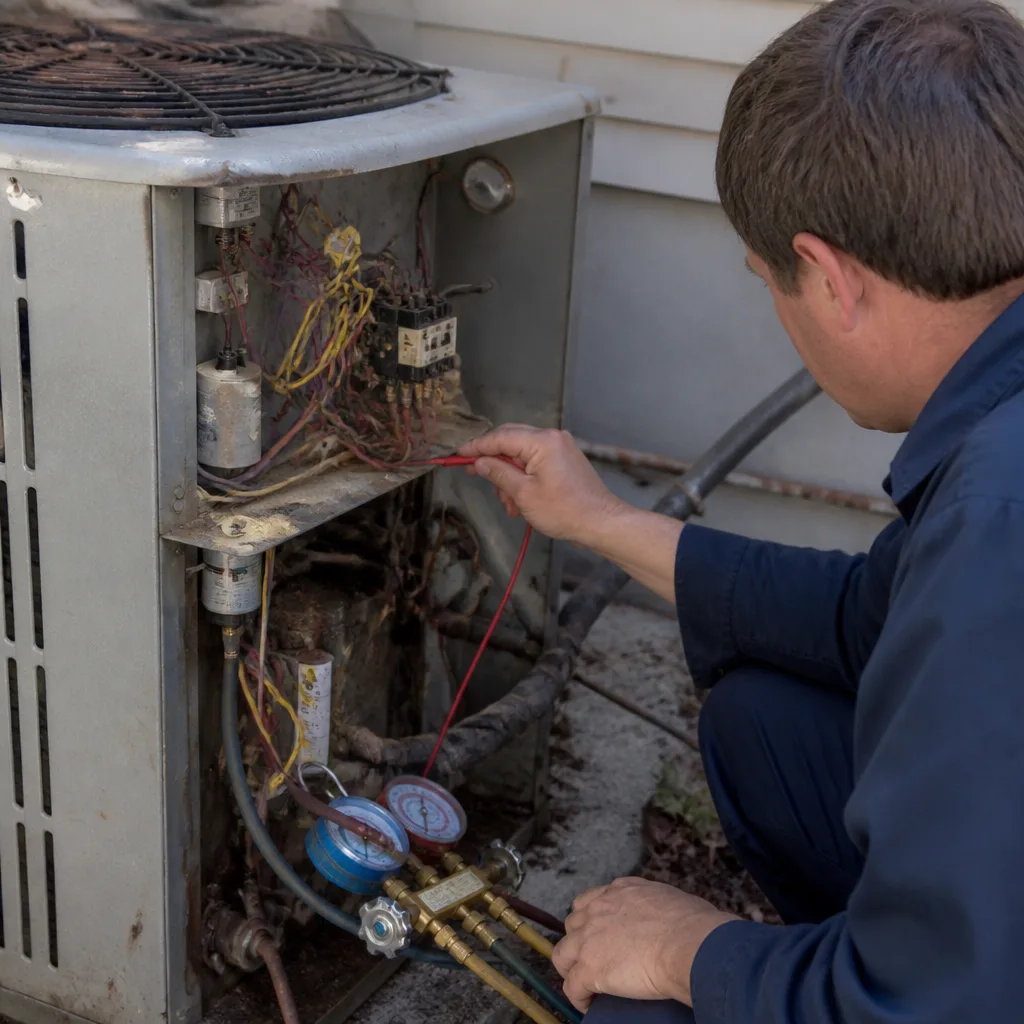 Before
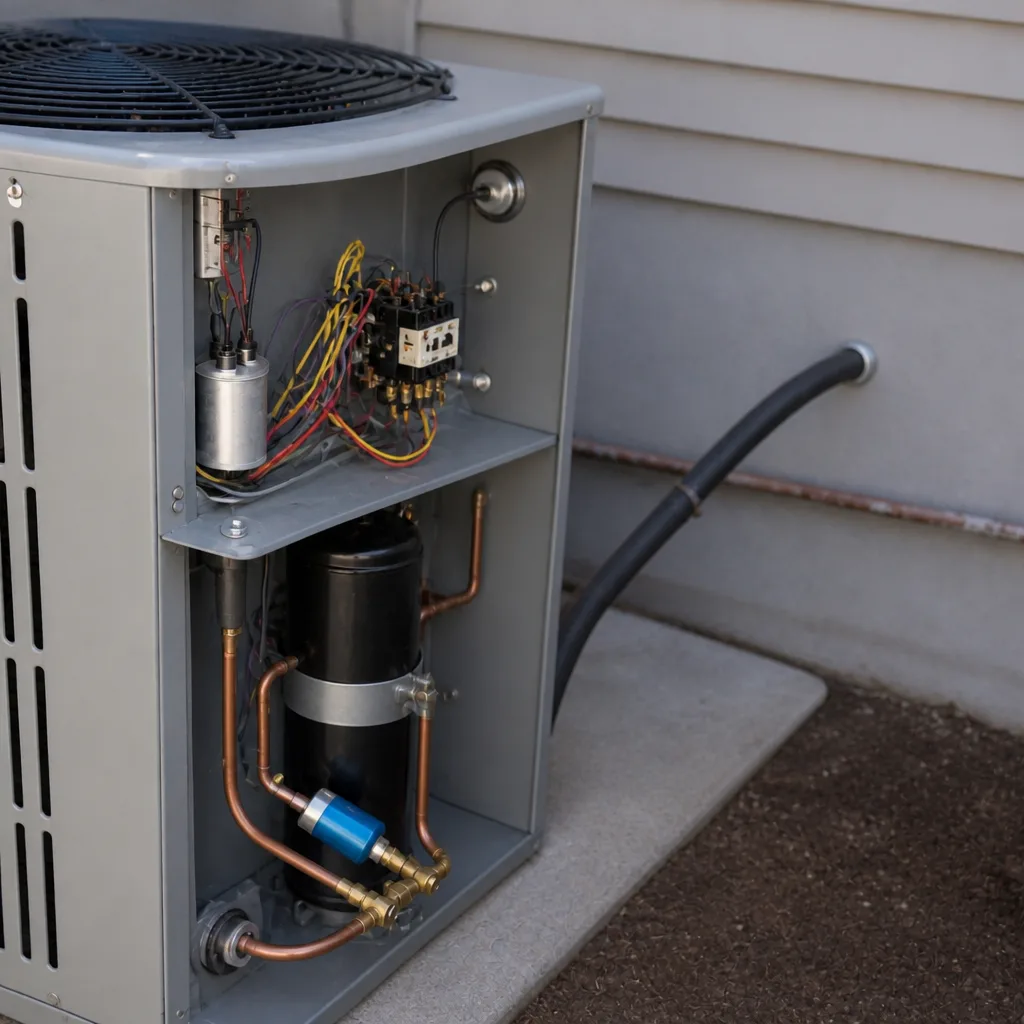 After
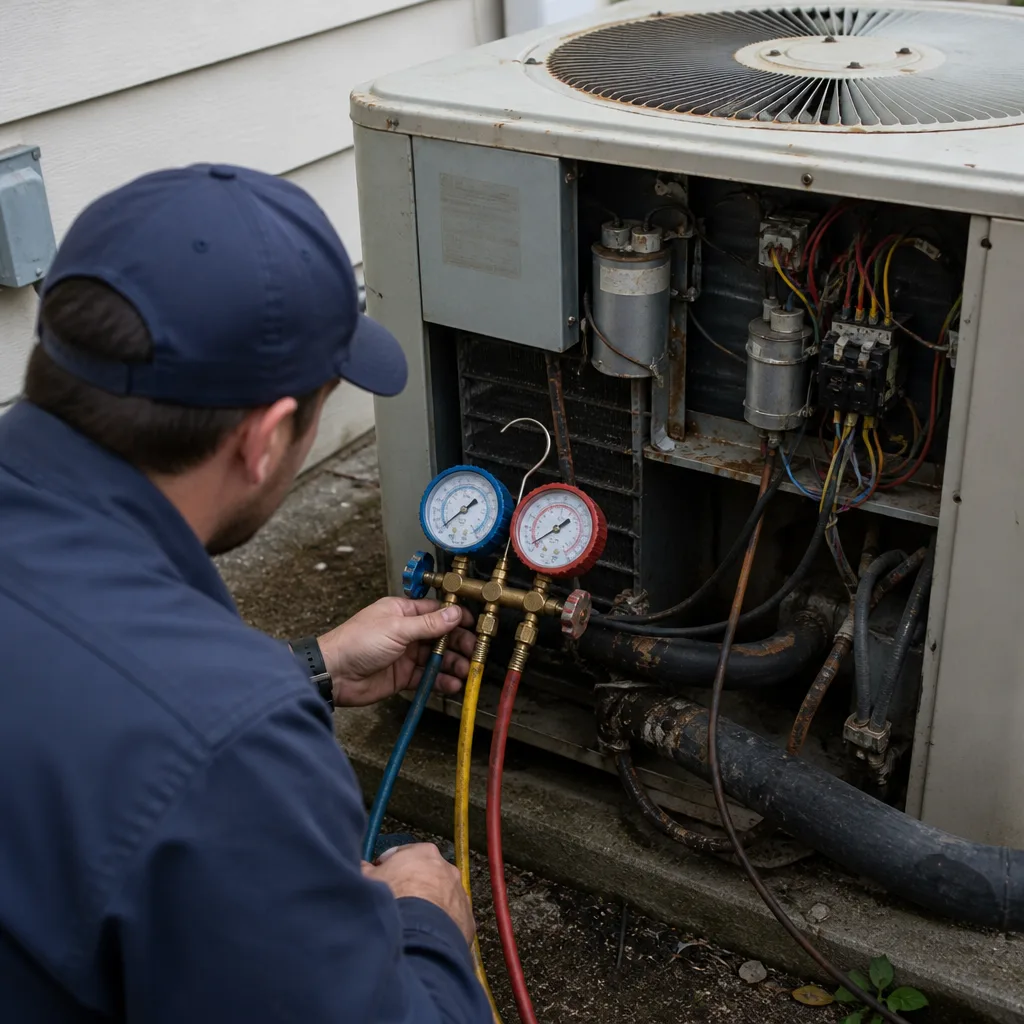 Before
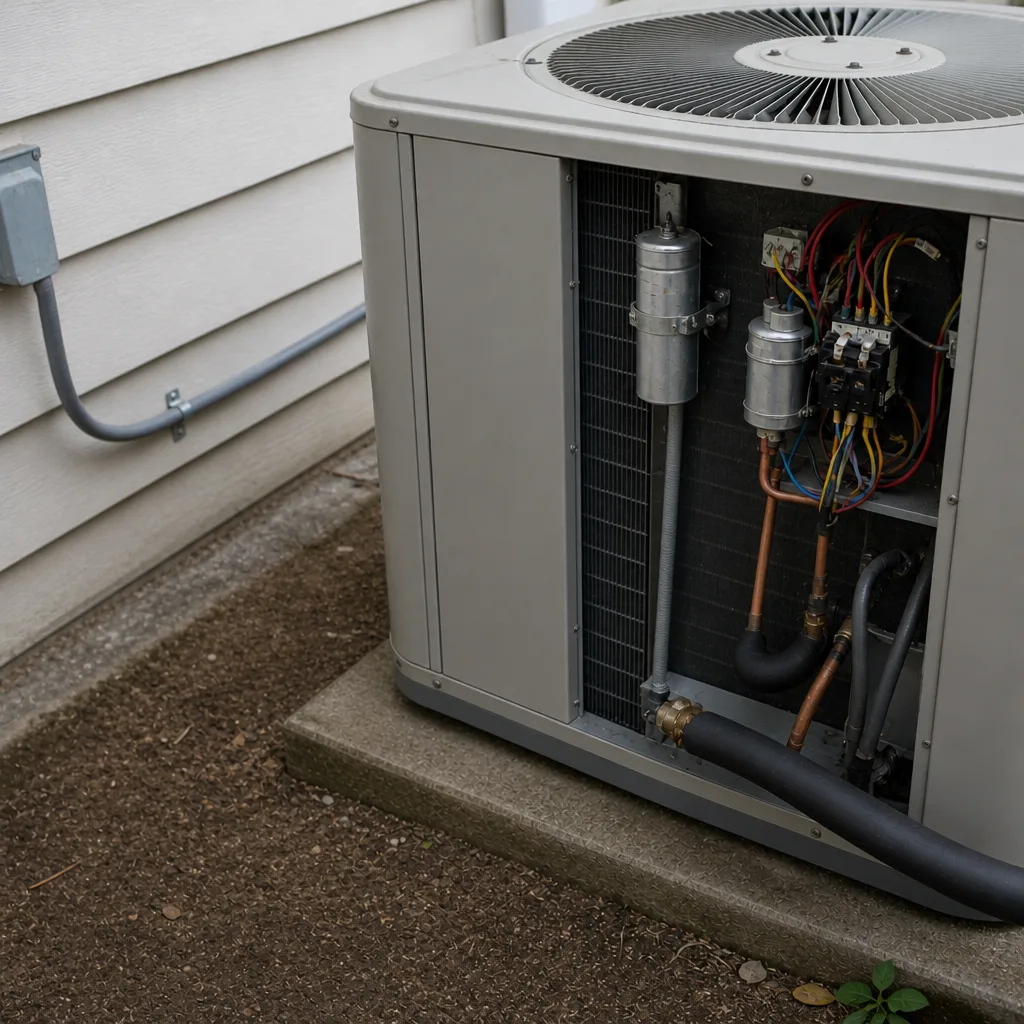 After
When to Call a Professional
Call a professional the moment any of these are true. A system that trips a breaker twice, an outdoor unit with visible ice, a thermostat that won’t control the equipment, an indoor temperature climbing past 85°F with vulnerable people in the home, a furnace that hasn’t held temperature overnight, a gas smell, a burning smell from any component, or water pooling near the air handler. On the cold side, call when the furnace can’t hold temp and the forecast is heading into the teens, or when pipe freeze looks likely. On the hot side, call the moment the AC stops cooling and the outdoor temperature is above 95°F.
AC Repair Provo offers free estimates in Provo. Call (855) 657-5471. We answer 24/7. Fast dispatch from 7am to 7pm, Sunday through Friday, and our written estimate sets the final price. If you’re scheduling an installation rather than an emergency repair, plan on a written fixed price and a set install date rather than a same-day turnaround, because that work is load-calculated and ordered.
Every Provo home we visit is one we hope never to see again in a crisis. The Provo climate is mild enough most of the year to lull you into skipping preparation. The two weeks a year it isn’t mild are the weeks this guide is for.
Frequently Asked Questions
A typical Provo home stays above freezing for roughly 8 to 24 hours after a furnace failure, depending on outdoor temperature, insulation, and house type. Homes with plumbing in an unheated crawlspace or on exterior walls are at the shorter end. If the overnight forecast is in the teens or single digits, assume the freeze risk starts within a few hours of the indoor temperature crossing 50°F. Call for service early and open the cabinet doors under sinks while you wait.
Yes for healthy adults, for a limited time, if the indoor temperature stays below the high 80s and you’re actively using airflow and evaporative cooling. No for infants, elderly family members, or anyone with a heart or respiratory condition once the indoor temperature crosses 85°F. Move those people to a cooler building and stay with them. The repair can be scheduled from anywhere.
Have the equipment brand, model number, serial number, symptom onset, what you’ve already checked, and any sounds or smells noted. Photograph the outdoor condenser and furnace plates in advance and keep the images on your phone. Precise information gets the right technician and the right parts on the first visit.
No, not always. A tripped breaker can mean a failing capacitor, an overheating compressor, a short, or a startup surge after a power event. Reset the breaker once. If it holds, you’re probably fine. If it trips again, stop and call for diagnosis. Repeated resets can turn a small repair into a compressor replacement.
Look at your neighbors’ lights and check your own breaker panel. If the whole block is dark, report it to Rocky Mountain Power and wait. If it’s only your house, the problem is on your side of the meter and you need a technician.
Leaving is often the right choice if the outdoor temperature is dropping into the teens and the repair won’t happen before morning. Shut off the main water valve before you go, drip a faucet if you stay, and leave cabinet doors open under sinks on exterior walls. A burst pipe in an empty house does more damage than a cold night in a hotel.
The Bottom Line
An HVAC emergency in Provo is a sequence, not a scramble. Slow the temperature change first, protect the vulnerable people and the pipes, then call with the equipment detail ready. The first hour matters more than the fourth. Photograph your equipment plates, know where the gas shutoff and electrical disconnect are, note your utility account numbers, and get comfortable with the difference between a grid outage and an equipment failure. That preparation is the whole point. When something does fail, AC Repair Provo works on your brand, from Trane and Lennox to Goodman and Rheem, and our three services (AC repair, AC installation, and furnace repair) are done right. Call (855) 657-5471 for a free estimate. We answer 24/7. Fast dispatch from 7am to 7pm, Sunday through Friday.
Written by the team at AC Repair Provo, serving Provo since 2013.