
Last updated November 14, 2026
 AC repair
 Furnace & heating
 Heat pumps
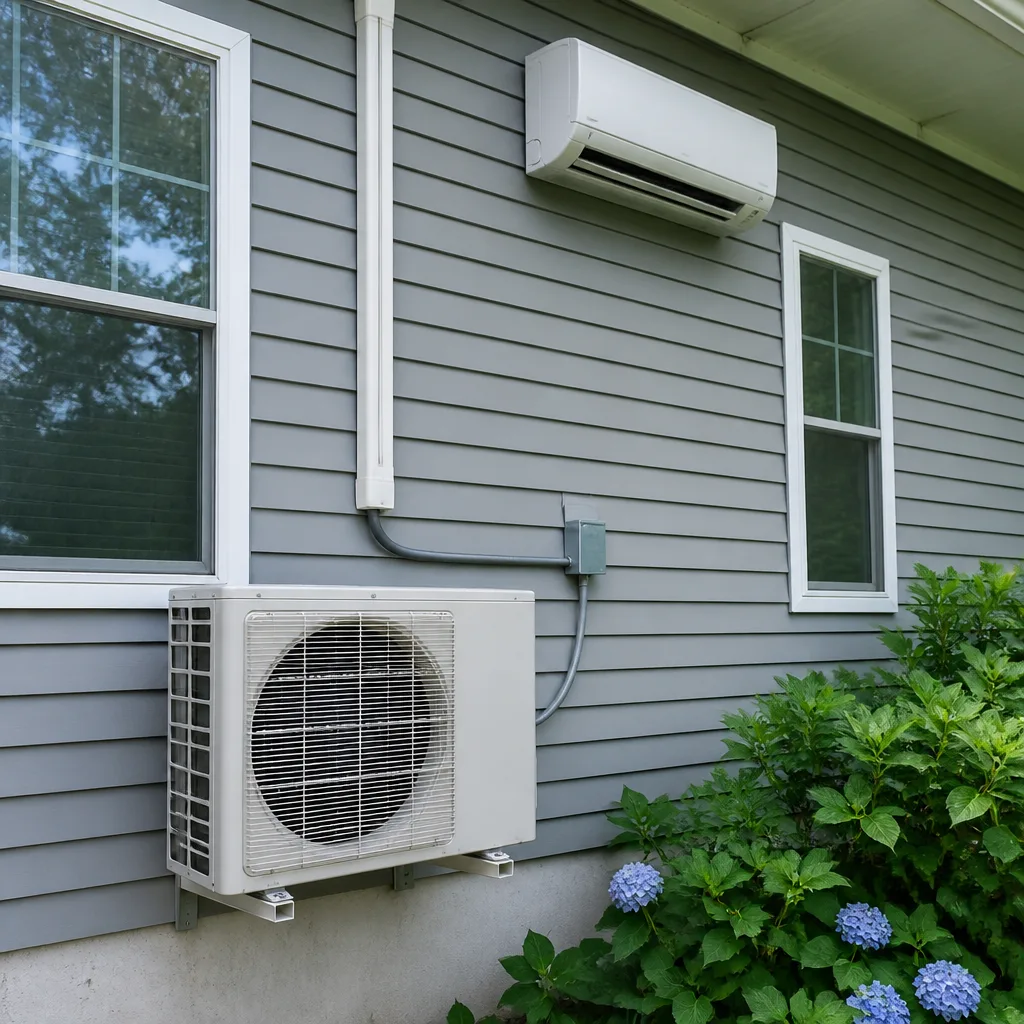 Ductless mini splits
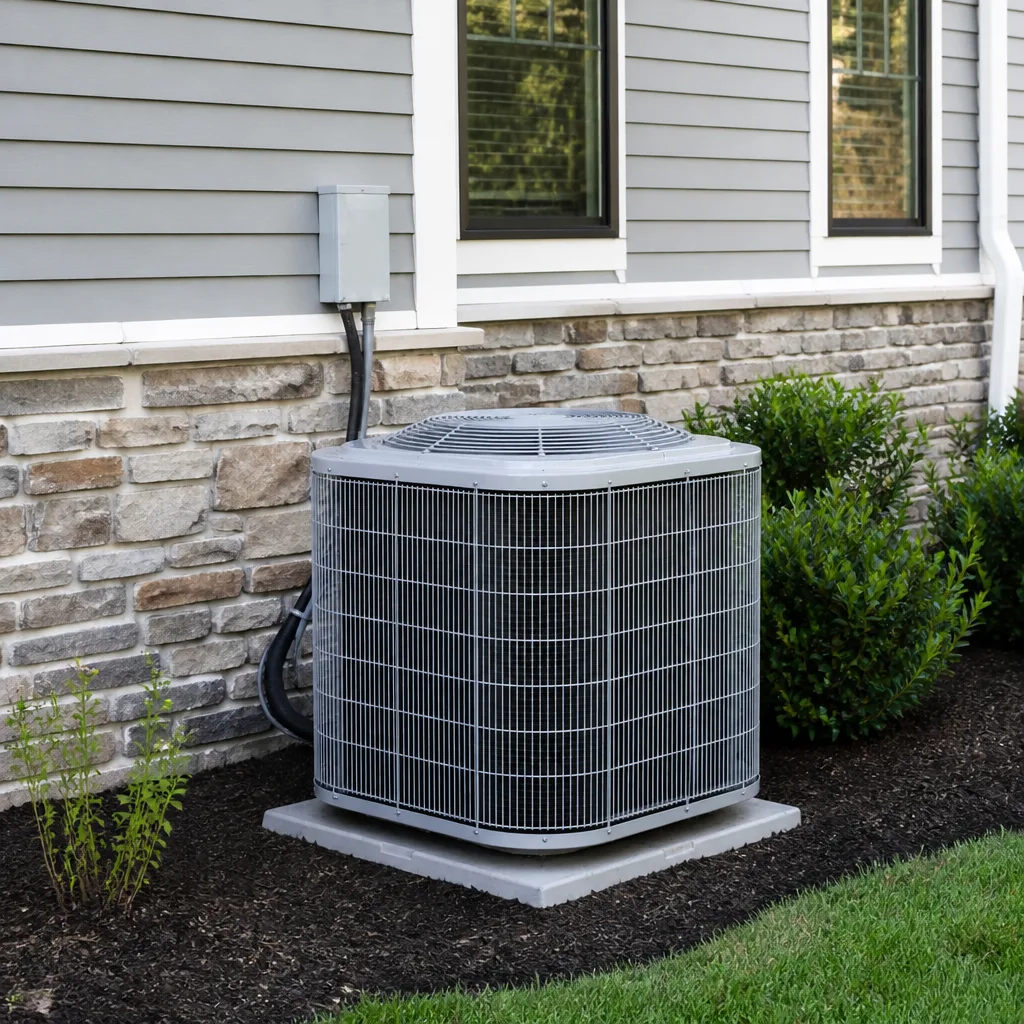 Carrier
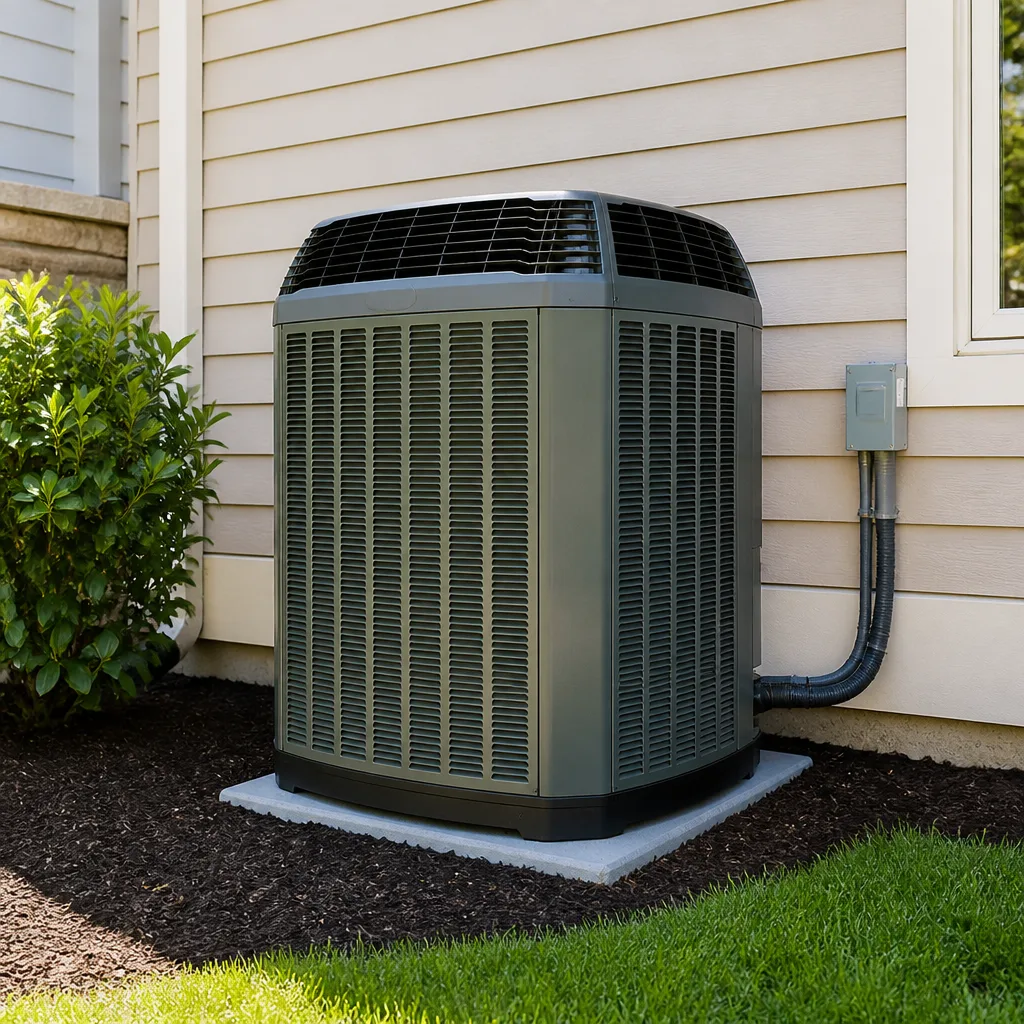 Trane
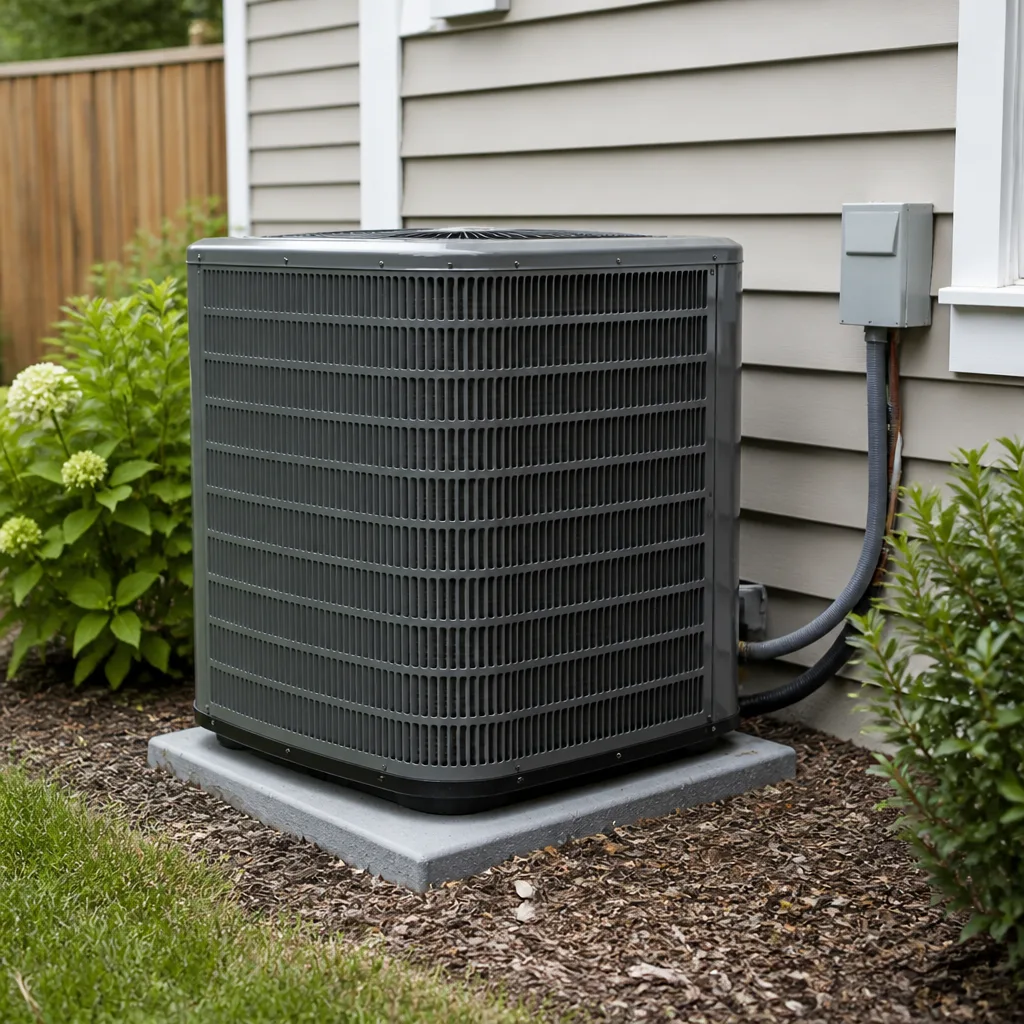 Goodman
Seasonal tune-up and full diagnostic on your Carrier, Trane, or Goodman system - readings shown to you before any repair is proposed
Diagnosis first, numbers second - you approve the repair price before a single part goes in.
Get your free estimateHVAC Warning Signs: A Provo Homeowner’s Reference Guide
When a homeowner tells us “my AC is blowing warm air,” that single sentence covers at least six different failures: a refrigerant leak, a failed compressor, a dirty evaporator coil, a failed capacitor, a tripped breaker, or a thermostat that’s simply misconfigured. The symptom sounds identical every time. The repair is not, and the cost difference between them is wide. That’s the problem with most warning-sign lists. They tell you what you’re hearing or seeing without telling you what’s actually breaking inside the equipment. This guide connects each observable sign to the specific component behind it, so you can describe the problem accurately when you call and understand what a technician tells you when they arrive. We work on HVAC systems in Provo every week, and the homeowners who get the right fix on the first visit are usually the ones who can say “it’s a clicking at the outdoor unit” instead of just “it’s broken.”
Quick Answer
The most reliable HVAC warning signs are changes from your system’s normal behavior: new sounds, warm air from vents, weak airflow, frequent breaker trips, and utility bills climbing more than 15 to 20 percent over the same month last year. Sound tells you the most. Banging points to a mechanical failure in the compressor or blower, clicking to an electrical relay or capacitor, hissing to a refrigerant leak or duct pressure problem, and squealing to a failing bearing or belt. Any sign that involves burning smells, gas odors, or repeated breaker trips is a safety issue that warrants a same-day call. Everything else is a scheduled appointment.
Styles & brands we work with
- AC repair
- Furnace & heating
- Heat pumps
- Ductless mini splits
- Carrier
- Trane
- Goodman
Table of Contents
- The Sound Diagnostic Matrix: What Each Noise Tells You
- Normal Summer Strain vs. Real Failure on 100°F Days
- Airflow Warnings Homeowners Blame on the Wrong Component
- Utility Bill Anomalies as Early Warning
- Safety Risk vs. Comfort Impact: How to Triage
- Furnace-Side Warning Signs
- What to Tell a Technician When You Call
- Why Brand-Specific Diagnosis Matters
The Sound Diagnostic Matrix: What Each Noise Tells You
Sound is the most underused diagnostic tool a homeowner has. Systems don’t suddenly get loud without something changing internally. Here’s how the four most common sounds map to specific components in both cooling and heating operation.
Banging
A banging noise from the outdoor unit usually means the compressor is struggling internally. In an AC, that’s often a failing compressor or a loose internal component knocking against the housing. From the indoor air handler, banging can indicate a blower wheel that’s come loose on its shaft or debris striking the wheel. On a furnace, banging during startup is often delayed ignition, where gas builds up before igniting. That one deserves a same-day call.
Clicking
Repeated clicking at the outdoor unit is almost always electrical. A contactor that’s chattering, a relay that’s failing, or a capacitor that’s lost its charge will all produce a rhythmic click as the system tries to start and drops out. A single click when the thermostat calls for cooling is normal. Continuous clicking that never settles into a running cycle is not.
Hissing
Hissing is either refrigerant or air pressure. At the outdoor unit, a steady hiss can indicate a refrigerant leak at a fitting or a failing Schrader valve. Inside the house, hissing at the vents is usually duct pressure escaping at a loose joint. On a gas furnace, hissing at the burners or gas valve is a safety concern and should be treated as urgent.
Squealing
Squealing is mechanical friction. In the indoor blower, it’s a bearing drying out or a belt slipping (on older belt-driven units). At the outdoor unit, it’s often the condenser fan motor bearing. Squealing doesn’t usually cause immediate failure, but it always gets worse. Left alone, a seizing bearing can take out the motor entirely.
Normal Summer Strain vs. Real Failure on 100°F Days
Provo summers put real load on residential cooling systems, and every July we get calls from homeowners convinced their AC has failed when the system is actually working as designed under extreme ambient heat. The distinction matters because the advice is different.
On a day when the outdoor temperature climbs past 100°F, a properly charged system still might not hold the indoor setpoint you’d normally expect. If your thermostat is set to 72°F and the indoor temperature stabilizes at 76°F or 77°F during the hottest hours, that’s frequently normal performance degradation, not a failure. A central air conditioner is rated to a design temperature, and once outdoor temperatures exceed that design point, the system loses capacity. It can’t cool as far below ambient as it does on a mild day.
How to tell the difference:
- Check the temperature split. Measure the air at a supply register and compare it to the return. A working system should produce roughly a 15 to 20°F drop. Below 12°F is a flag; below 8°F and the system isn’t cooling at all.
- Watch for cycling behavior. If the system runs nonstop all day but still gets the house down to a reasonable temperature by evening, that’s strain. If it short-cycles (runs a few minutes, shuts off, runs again) or refuses to cool at all, that’s a failure.
- Feel the outdoor unit’s discharge air. If it’s blowing cold air out the top, refrigerant or compressor trouble is possible. Warm air out the top is normal.
- Look at the indoor coil. A frozen coil (visible ice on the indoor unit or refrigerant lines) means low refrigerant or restricted airflow, and that’s not strain. Turn the system off and call for service.
One more Provo-specific note: attic-mounted air handlers in homes on the east bench get much hotter than units in a basement or garage closet. Attic temperatures over 130°F in summer can cause short-term performance problems that look like equipment failure but resolve once the attic cools. If the problem only shows up in late afternoon, ask about attic heat before assuming the unit needs repair.
Airflow Warnings Homeowners Blame on the Wrong Component
Weak airflow out of the vents gets blamed on duct problems more often than any other cause, and it’s usually wrong. We work on AC repair in Provo regularly, and a good chunk of what customers describe as “my ducts must be clogged” turns out to be a compressor or blower motor issue. Here’s how to tell them apart.
- Weak airflow everywhere but air is cold: restricted filter, dirty evaporator coil, or a blower running below speed. Usually a filter or maintenance issue.
- Weak airflow everywhere and air is cool but not cold: blower motor losing capacity or a compressor not fully running (single-phase compressor on a three-phase system, or a failing run capacitor).
- Strong airflow out of some rooms, weak out of others: this is the one case where ductwork is genuinely suspect. A damper that’s partly closed, a crushed flex run, or a disconnected duct at a boot.
- Strong airflow but warm air: the blower is fine; the compressor isn’t running. That’s refrigerant or electrical, not airflow.
- Airflow intermittent, comes and goes: blower motor relay, failing run capacitor on the blower, or a control board issue.
If you’re not sure which category you’re in, put your hand in front of a register. If the air is moving well but isn’t cold, the issue is the cooling cycle, not the ducts. If the air is cold but barely moving, it’s the airflow path. That single test narrows it down more than any list of symptoms ever will.
Utility Bill Anomalies as Early Warning
Your utility bill is the clearest early-warning signal most homeowners ignore until the failure is complete. A system losing efficiency gradually won’t announce itself with a loud noise. It just costs more to run. The trick is knowing what increase is worth investigating.
Here’s the framework we recommend:
- Compare the current month to the same month last year. Not to last month. Seasonal variation makes month-to-month comparisons useless.
- Calculate the percentage change. Take this year’s bill, subtract last year’s, and divide by last year’s. A 15 to 20 percent increase over the same month with no rate hike and no behavior change is the threshold we’d flag. Below 15 percent, treat it as noise unless another sign is present.
- Rule out rate changes first. Utility rate adjustments and seasonal rate tiers can account for a jump on their own. Check the rate on your bill before assuming equipment.
- Look at the pattern. A one-month spike often means a heat wave or a weekend away. A gradual climb over three months usually means the system is degrading: a refrigerant charge that’s drifted low, a coil that’s fouled, or a capacitor that’s weakening.
In Provo, the signal often shows up first in the July and August bills because that’s when cooling hours peak. If you see the same 20 percent climb two summers in a row, that’s a pattern worth an inspection even if the system feels fine. Catching a slow refrigerant leak before the compressor runs dry saves the compressor. That’s the difference between a $150 to $400 repair and a replacement.
Safety Risk vs. Comfort Impact: How to Triage
Not every warning sign is urgent, but some are urgent in ways that go beyond comfort. Here’s how we’d triage the warning signs we’ve covered.
Call same-day (safety or imminent failure)
- Burning or electrical burning smell from the furnace or air handler area.
- Gas odor near a furnace or at any of its fittings.
- Repeated breaker trips on the AC or furnace circuit. Never reset the same breaker more than once.
- Furnace banging during startup (delayed ignition).
- Visible ice on the indoor coil combined with a refrigerant line that’s cold to the touch.
- Any sign of carbon monoxide concern: headache, dizziness, or soot around the furnace.
Schedule within a few days (comfort and efficiency)
- Warm air from vents during cooling season with no other signs.
- Weak airflow but air is cold.
- Utility bills up 15 to 20 percent with no rate change.
- New squealing or grinding from the blower or outdoor fan motor.
- Continuous clicking at the outdoor unit that never settles into a run cycle.
Monitor (worth noting, not urgent)
- Occasional pops or ticks from ductwork during temperature transitions. That’s thermal expansion, not failure.
- A single run of the system that struggles on the hottest afternoons but recovers by evening.
- Mild condensation on ductwork in a humid basement. That’s an insulation concern, not cooling failure.
When in doubt, err toward the safety side. A burned out compressor is a bill. A gas leak is something else entirely. Call (855) 657-5471. We answer 24/7. Fast dispatch from 7am to 7pm, Sunday through Friday.
Furnace-Side Warning Signs
Because we cover heating and cooling with the same team, we see furnace signs that look like AC signs on a system that just needs a different diagnosis. A few of the ones worth knowing.
The furnace short-cycles (runs a few minutes, shuts off, runs again). On a furnace, that’s usually a high-limit switch tripping. The limit trips because the furnace is getting too hot, which is often caused by restricted airflow (dirty filter, weak blower) or an oversized furnace for the ductwork. On a system that’s been fine for years, that points to a blower or filter problem rather than oversizing.
The furnace runs but produces little heat. That’s often a burner issue or gas pressure problem. On a Rheem or Bryant furnace with electronic ignition, a weak flame sensor can also cause intermittent short cycling where the burners light, run briefly, and shut off.
You hear a boom or a thump when the furnace starts. Delayed ignition. Gas has accumulated before the igniter fires. Treat it as urgent.
You smell gas at the furnace. Stop and call the gas utility first, then call us. Never troubleshoot a gas smell with the unit running. A furnace in Provo can have been sitting unused from May through September, and a gas fitting that was fine at the end of the previous winter can loosen over the summer. First startup is when a lot of these problems show up.
What to Tell a Technician When You Call
The more precise the description, the faster a technician can diagnose. Homeowners who call with “my AC is broken” get a diagnostic visit that lasts as long as the technician needs to figure out the picture. Homeowners who call with “the outdoor unit clicks about every ten seconds but the fan never starts” get a technician showing up already thinking about the contactor or capacitor. Here’s how to describe a problem in a way that helps.
- What you hear. Just the sound, in plain language. “Banging at the outdoor unit” or “squealing from the closet where the air handler is.”
- When it happens. At startup? During the run cycle? Only on hot afternoons? Only when the furnace first comes on in fall?
- What you see. Ice anywhere? Tripped breaker? Water around the indoor unit? Thermostat display odd or blank?
- Airflow and temperature at the vents. Hand test: is air moving? Is it cold, cool, or room temperature?
- Bill history. If this is a slow-degradation call, mention that the bill is up X percent over last year. That steers the diagnosis.
- Equipment brand and rough age. “It’s a Carrier, about ten years old” tells us a lot about what’s likely failing and what parts we should expect to have on the truck.
The brand matters. A Daikin system with a variable-speed compressor can present symptoms that look like a failing compressor but turn out to be inverter board or communication faults. A York or Rheem system with a single-stage compressor has a different failure signature. We’re set up to work on Carrier, Trane, Lennox, Goodman, Rheem, York, Daikin, Bryant, and American Standard equipment, so brand-specific diagnosis is the starting point, not something we have to look up.
Why Brand-Specific Diagnosis Matters
Most HVAC warning signs look the same across brands. What changes is what the sign points to inside the equipment. A clicking relay on a Goodman isn’t necessarily the same component as the clicking on a Bryant. The board architecture, the way the control sequence runs, and the parts that commonly fail all vary. When a technician has to look up diagrams on a truck or guess at the failure pattern, that costs time, and sometimes it costs an incorrect diagnosis. When they know the system, they move faster and get it right more often.
We focus on three services: AC repair, AC installation, and furnace repair. That’s the whole menu. It means every technician we send is doing climate-control work as their specialty, not as a side job between plumbing calls. It also means when a homeowner describes a symptom, the technician knows what to check on that specific piece of equipment.
The other part of this is the repair-or-replace conversation. We don’t push toward one brand because we don’t have a single brand to sell. If your existing Rheem has a repairable failure and plenty of life left, that’s the recommendation. If the warning signs point to a compressor failing on a 15-year-old system, we’ll say so honestly and price out a replacement. The recommendation follows the equipment, not the sale.
Common Mistakes to Avoid
- Resetting the breaker without checking anything else. If the breaker keeps tripping on your AC or furnace, the system is trying to tell you something is wrong. Resetting it three or four times risks more damage. Reset once, and if it trips again, call.
- Running the system with a frozen coil. Ice buildup on the indoor unit means something is restricting refrigerant or airflow. Running the AC or furnace with a frozen coil, or trying to thaw it with the system turned on, can damage the compressor. Turn the system off and call.
- Blaming ductwork for an airflow problem before the compressor is ruled out. Duct cleaning or sealing is the wrong fix for a system with a weakening blower or low refrigerant. Rule out the mechanical side first.
- Ignoring a sound because the house still feels cool. Squealing and clicking don’t usually cause immediate failure, but they always progress. A bearing that’s squealing in May is a seized motor in August.
- Treating a bill increase as just “rates went up.” Compare the same month year over year, check the rate on the bill, and if the equipment is still the cause, get it looked at before summer load arrives. A slow decline is usually cheap to fix early and expensive to fix late.
- Not knowing the brand and model before calling. Two minutes with the equipment label saves diagnostic time. On a Daikin or Bryant system, the exact model number tells us which generation of control board and which common failure points to check first.
- Using summer thermostat settings as a diagnostic test. If you’ve been running the system at 68°F in July and it’s struggling, the thermostat setting isn’t the diagnosis, it’s the load. Check the temperature split first, then the setpoint.
See the difference
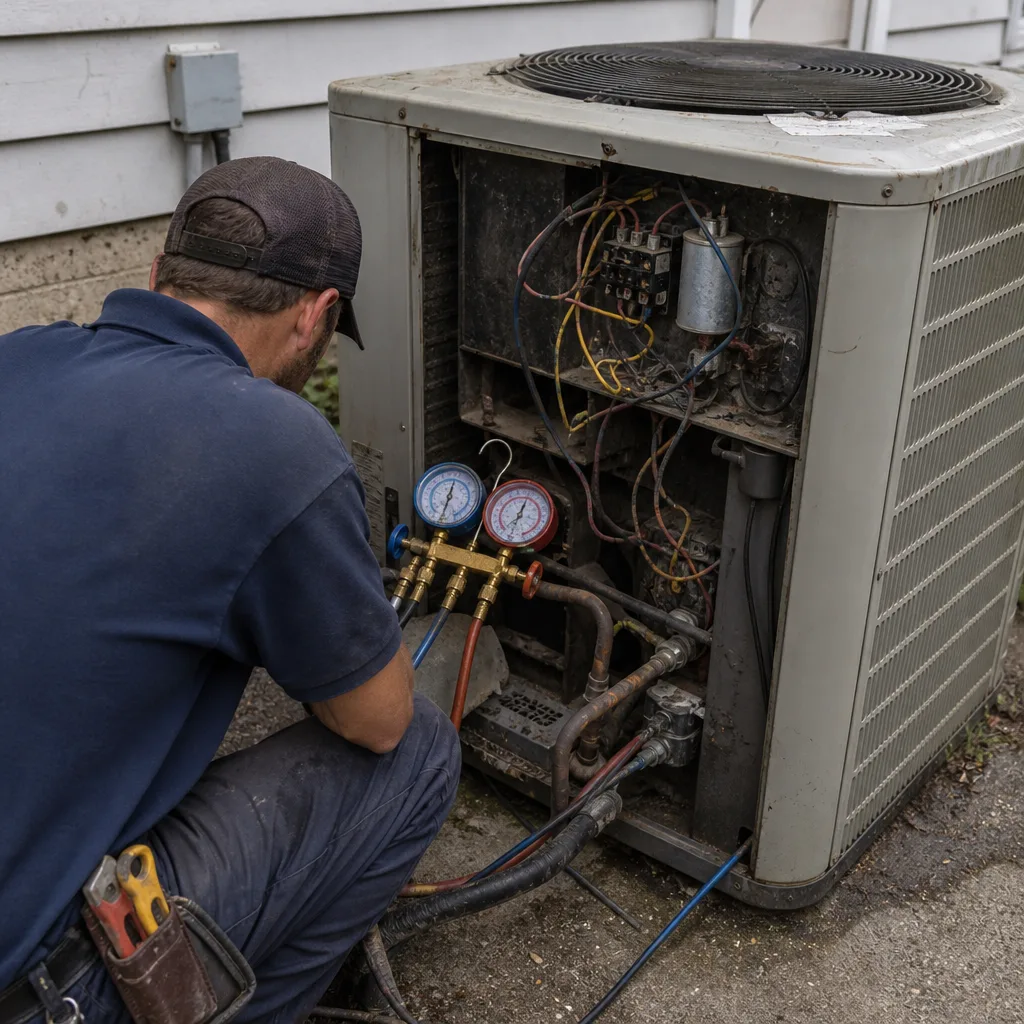 Before
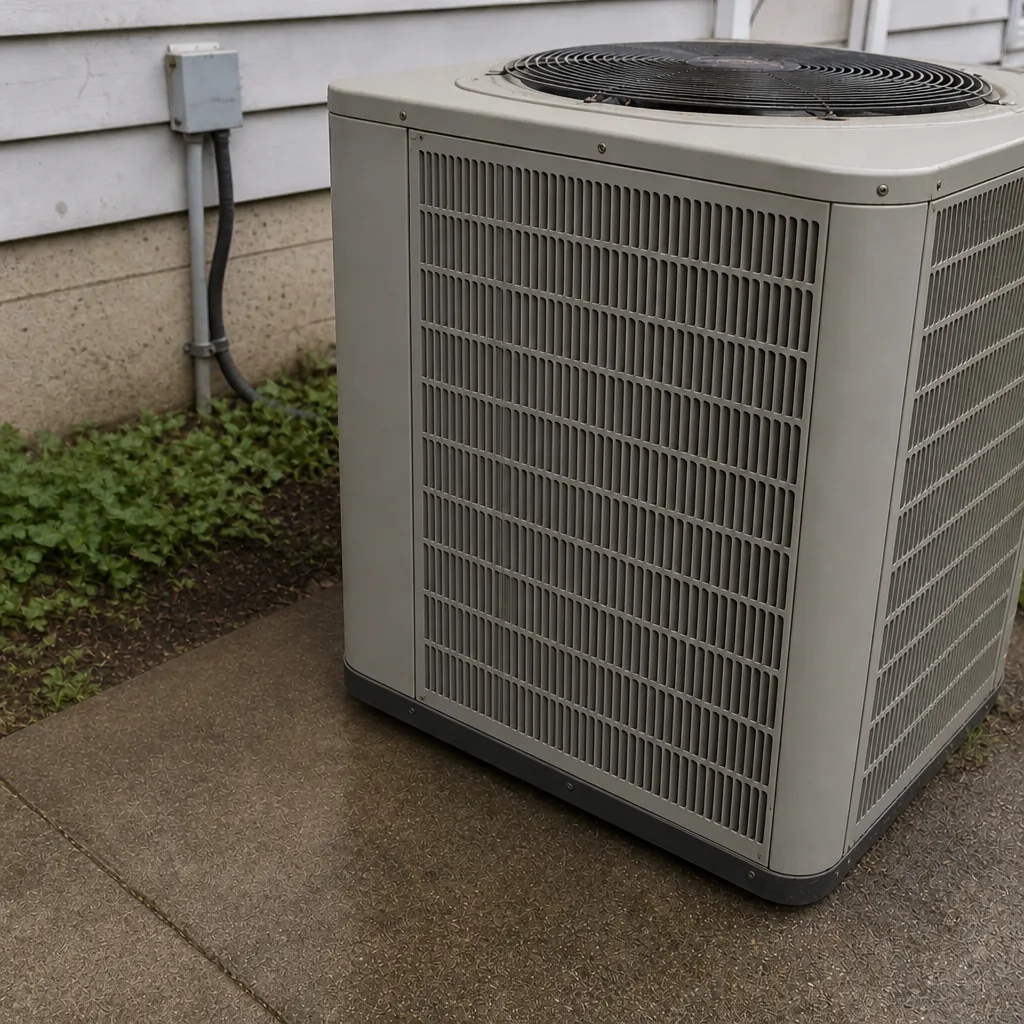 After
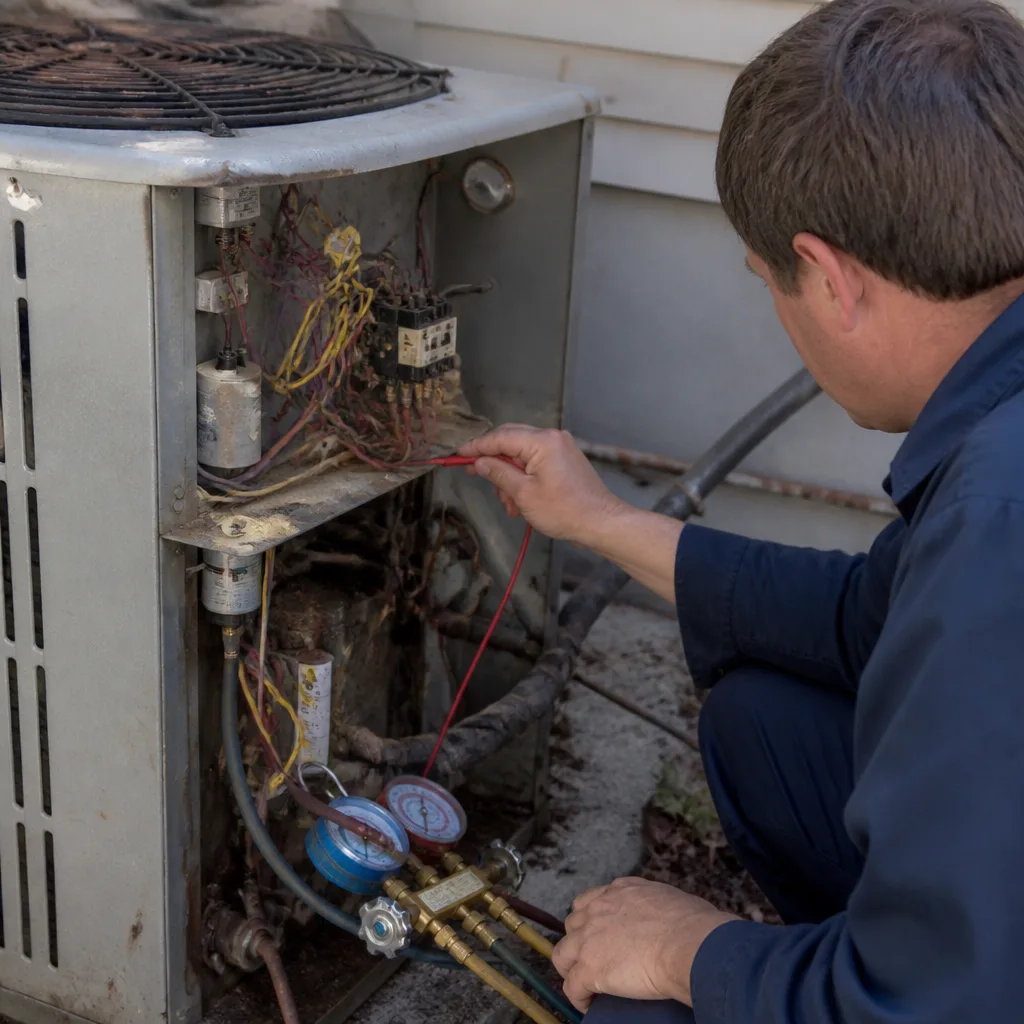 Before
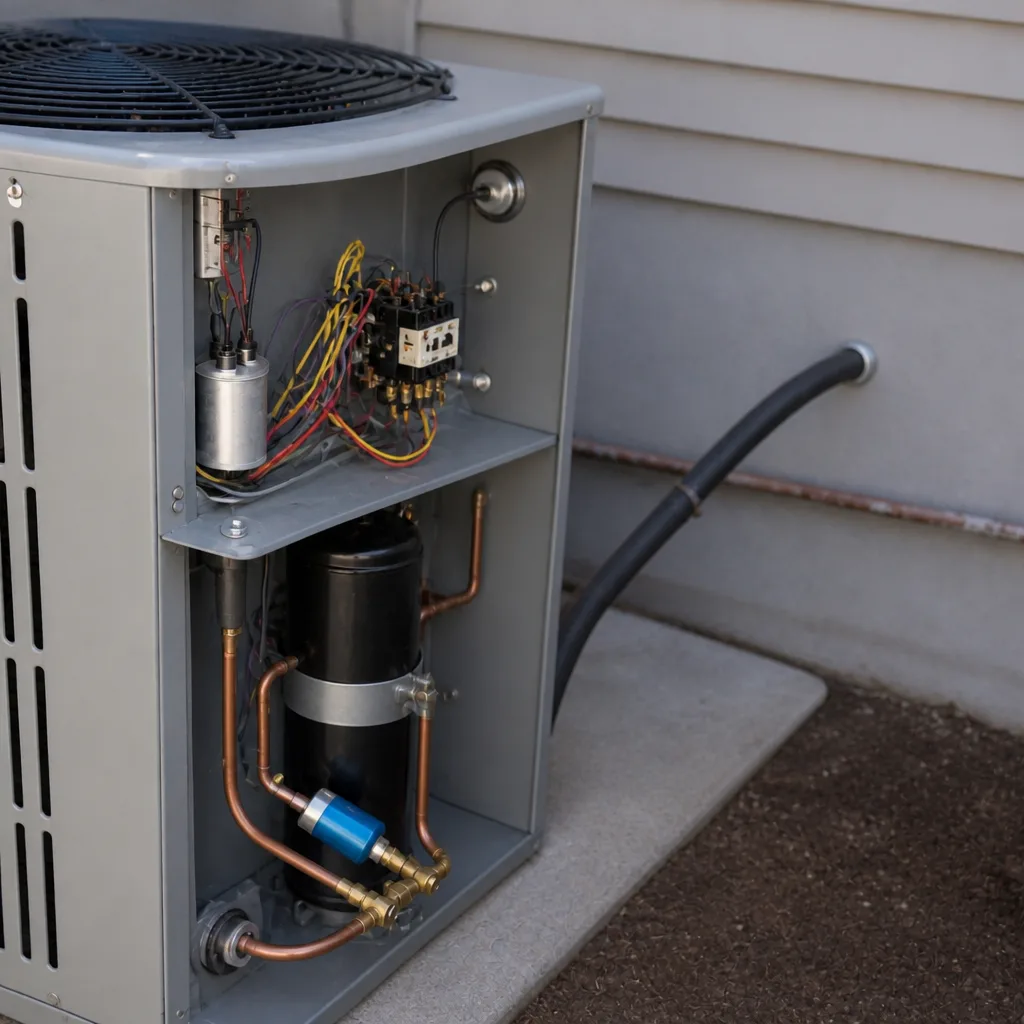 After
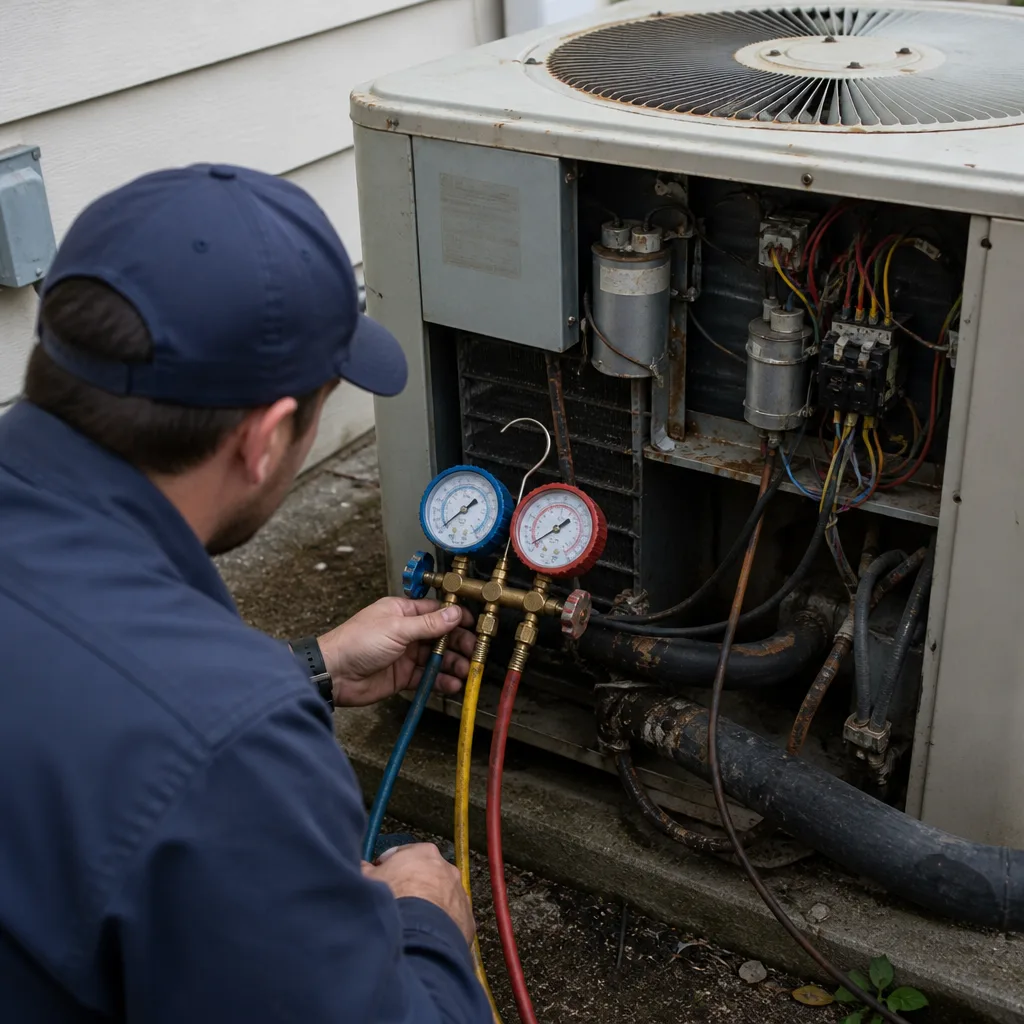 Before
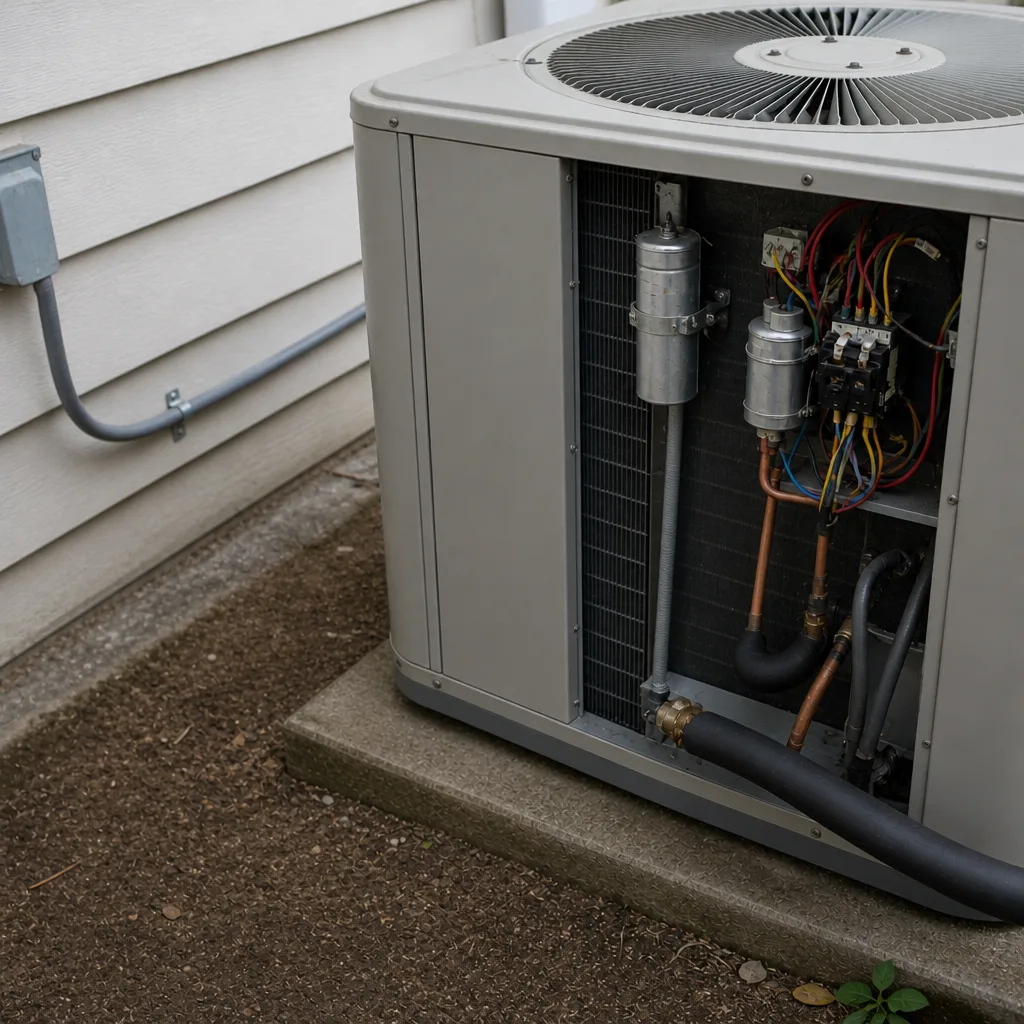 After
When to Call a Professional
Call a professional when a warning sign changes from an annoyance to a pattern, when any sign on the safety-triage list appears, or when you’re not sure which category you’re in. The signs that warrant a same-day call: burning smells, gas odors, repeated breaker trips, delayed ignition on a furnace, and visible ice on the indoor coil. The signs that warrant a scheduled visit: weak airflow, warm air at the vents with no other symptoms, new squealing or clicking, and utility bills up 15 to 20 percent over the same month last year with no rate change. And call when the system is doing something you can hear in another room: sound is the cheapest diagnostic you have, and it’s usually more accurate than the thermostat. AC Repair Provo offers free estimates in Provo at (855) 657-5471. We answer 24/7, and we dispatch technicians 7am to 7pm, Sunday through Friday.
Frequently Asked Questions
The most reliable early sign is a change in sound from the outdoor unit: clicking that doesn’t settle into a run cycle, or a compressor that’s unusually loud. Second most reliable is a utility bill climbing 15 to 20 percent over the same month last year without a rate change. Catch either of those and a technician can often extend the system’s life significantly.
Within limits, yes. A central AC is rated to a design temperature, and when outdoor temperatures exceed that point, the system loses capacity and might not reach your setpoint. What’s not normal is short cycling, a temperature split below 12°F, or visible ice on the indoor coil. Those are equipment failures, not strain. Call (855) 657-5471 for an exact diagnosis.
Not necessarily same-day, but don’t wait weeks. Continuous clicking at the outdoor unit usually points to a failing contactor or capacitor. That’s an electrical issue that will eventually stop the compressor from starting. Schedule it within a few days. If the clicking is accompanied by a burning smell or the breaker trips, it’s a same-day call.
Probably not. Weak airflow with cold air usually points to a dirty filter, a dirty evaporator coil, or a blower motor that’s losing speed. Duct problems usually show up as uneven airflow between rooms, not weak airflow everywhere. Get the mechanical side checked before considering duct work. Call (855) 657-5471 to schedule a diagnosis.
Normal startup is a soft whoosh as the burners light, then steady operation. Delayed ignition is a boom or a thump a few seconds after the thermostat calls for heat, caused by gas accumulating before it ignites. That’s a legitimate safety concern, and it should be inspected right away. Turn the furnace off and call.
Yes. We service Carrier, Trane, Lennox, Goodman, Rheem, York, Daikin, Bryant, and American Standard systems. Brand-specific diagnosis matters because failure patterns and control sequences vary between manufacturers. Knowing your brand saves diagnostic time and helps avoid replacing parts that aren’t the problem.
The Bottom Line
Warning signs are useful only if you can connect them to what’s actually failing. Sound is the most reliable early signal: banging means mechanical, clicking means electrical, hissing means refrigerant or gas pressure, and squealing means friction. Airflow problems get blamed on ducts too often; check the compressor and blower first. Utility bills up 15 to 20 percent over the same month last year are worth inspecting. And separate the signs that are safety concerns from the ones that are comfort concerns, because the response time is different. If you’re in Provo and something’s changed with your system, we’d rather look at it early than replace it late. We serve homes across the valley, from the east bench to the west side. For brand-specific diagnosis on the equipment you already own, AC installation when repair stops making sense, and furnace repair when cold weather hits, we’re set up for it. Call (855) 657-5471 for a free estimate. We answer 24/7. Fast dispatch from 7am to 7pm, Sunday through Friday.
Written by the team at AC Repair Provo, serving Provo since 2013.