
Last updated November 14, 2026
 AC repair
 Furnace & heating
 Heat pumps
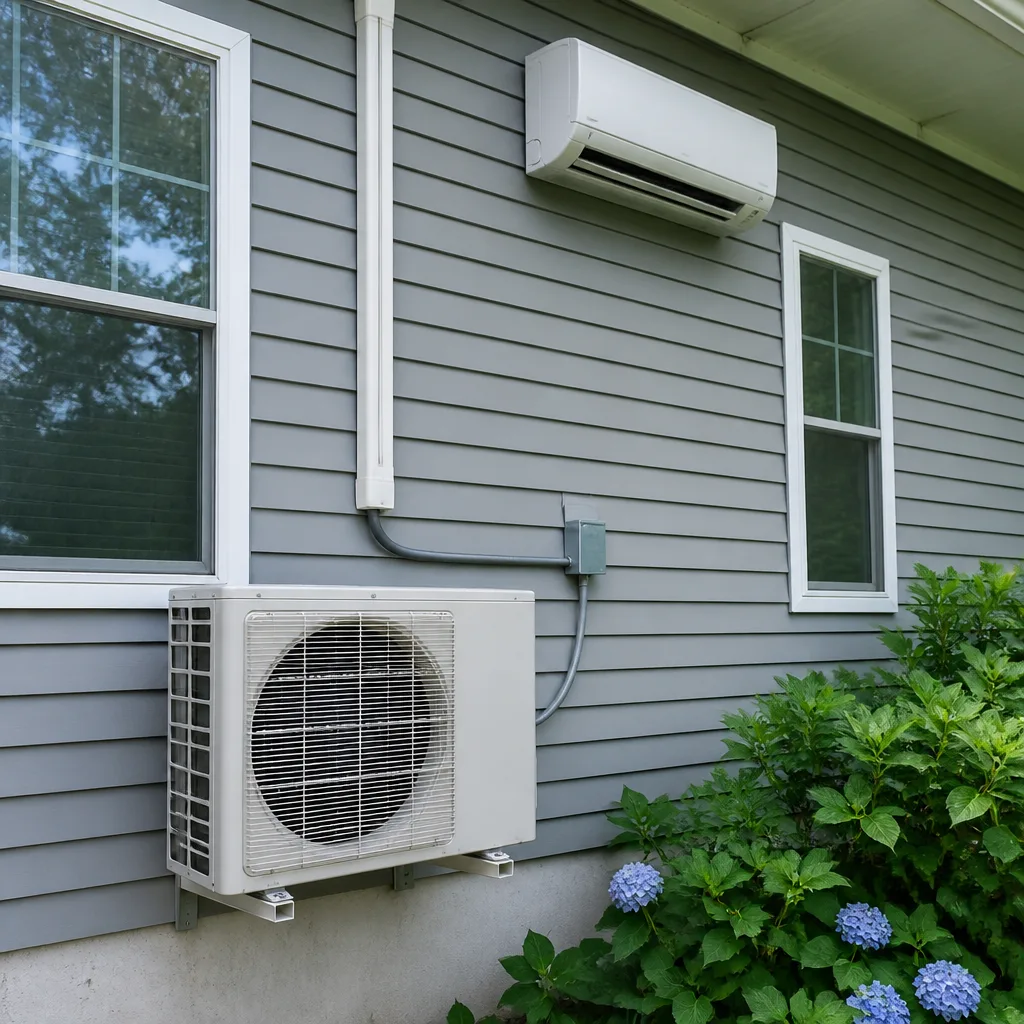 Ductless mini splits
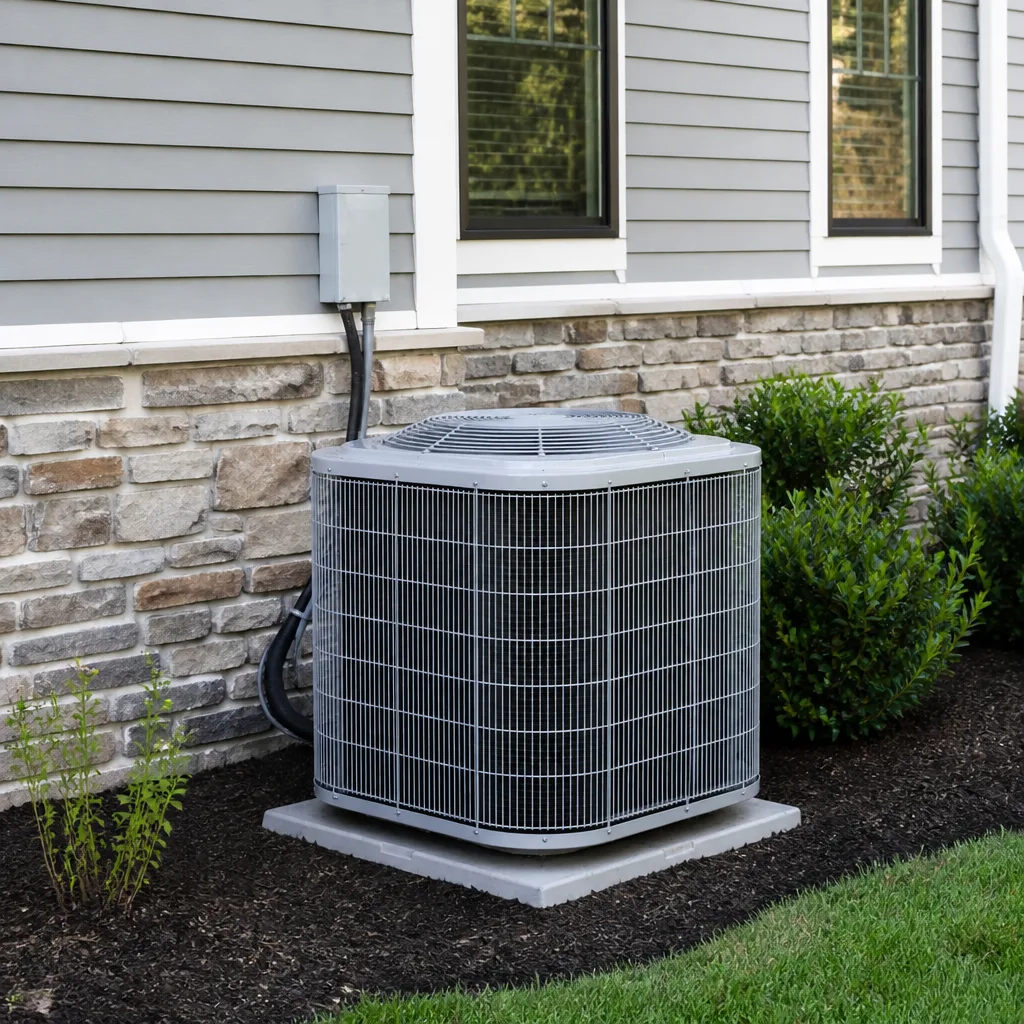 Carrier
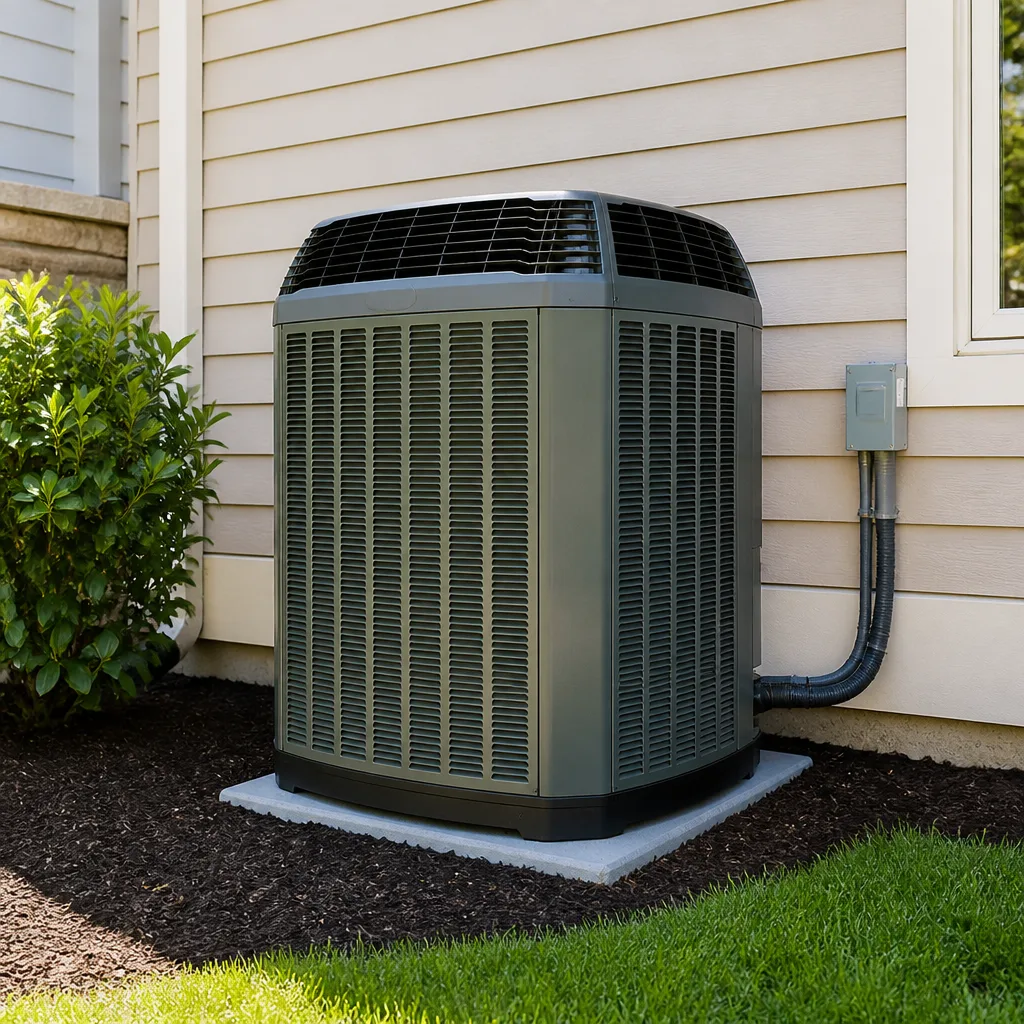 Trane
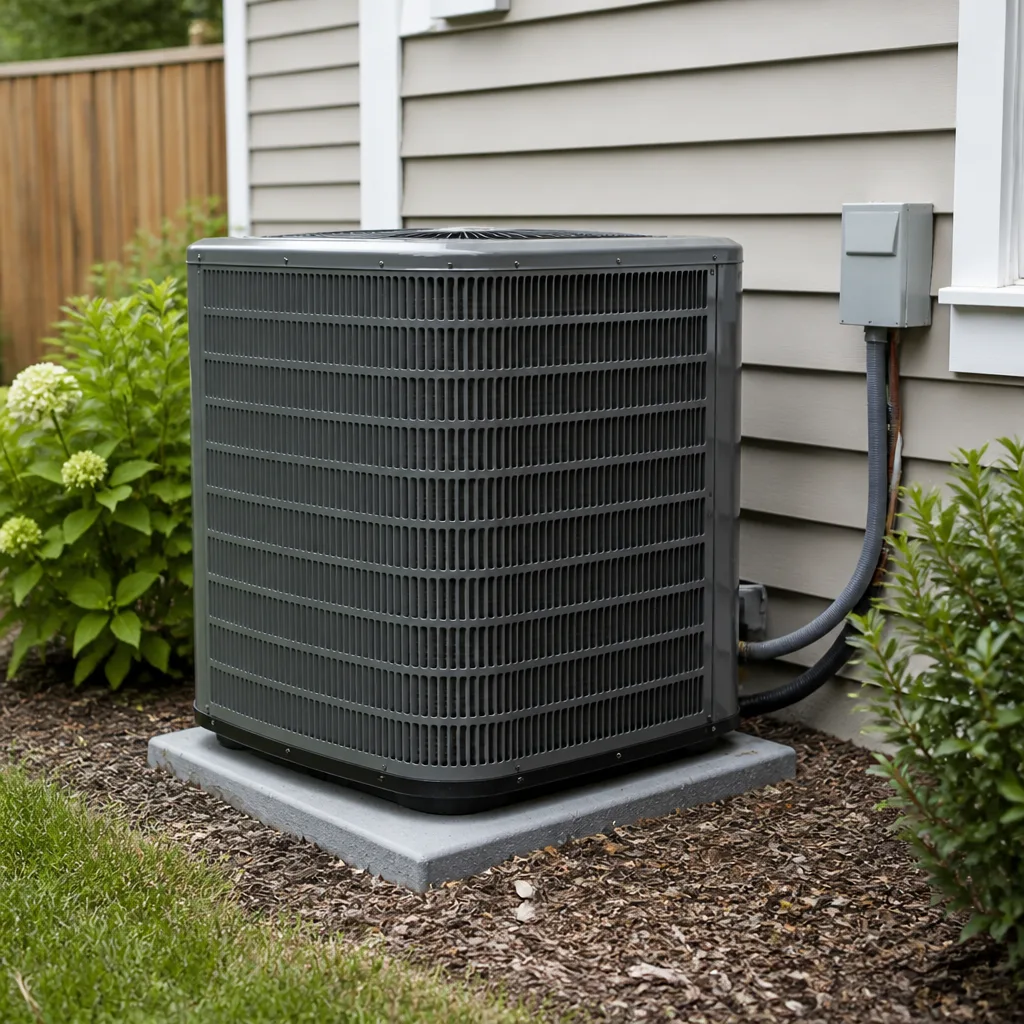 Goodman
Seasonal tune-up and full diagnostic on your Carrier, Trane, or Goodman system - readings shown to you before any repair is proposed
Diagnosis first, numbers second - you approve the repair price before a single part goes in.
Get your free estimateAC Repair Maintenance Checklist for Provo Homeowners
Most AC maintenance checklists floating around the internet were written for humid, coastal climates. That’s the wrong playbook for Provo. Here, your cooling system fights dry high-desert heat, mineral-heavy water, and a few weeks each June when cottonwood fluff drifts through neighborhoods and packs into condenser coils. The result is a specific set of failure points that a generic spring tune-up doesn’t address. This guide walks through what to actually check, when to check it, and what each item protects your system from. Everything here is built around how air conditioning equipment actually fails in Provo, not how it fails in Miami.
Quick Answer
A solid AC maintenance checklist for Provo homeowners covers four things: cleaning the condenser coil before cottonwood season peaks in late May, flushing the condensate drain line to clear hard-water mineral buildup, checking filter MERV rating against what your blower can handle, and watching for frost or warm-air symptoms that point to a refrigerant problem. Do the pre-summer work in May, then hand off to furnace checks when you shut the AC down. Most of what fails in Provo cooling systems is preventable with these four items done at the right time.
Styles & brands we work with
- AC repair
- Furnace & heating
- Heat pumps
- Ductless mini splits
- Carrier
- Trane
- Goodman
Table of Contents
- Why Cottonwood Season Is the Biggest AC Threat in Provo
- The Late-May Coil Inspection Window
- Hard-Water Buildup in Condensate Drain Lines
- Checking Refrigerant Indicators Without Touching the Lines
- Filter Ratings vs. Airflow: Why MERV-13 Can Hurt Your System
- The Fall Handoff: What to Do When You Shut the AC Down
- What a Typical Provo AC Season Looks Like
- The Full Season-by-Season Checklist
Why Cottonwood Season Is the Biggest AC Threat in Provo
Cottonwood trees line half the streets in Provo neighborhoods, and their June fluff is one of the most predictable causes of summer AC service calls here. The fluff itself isn’t the problem. The problem is what it does when it hits the condenser coil on your outdoor unit.
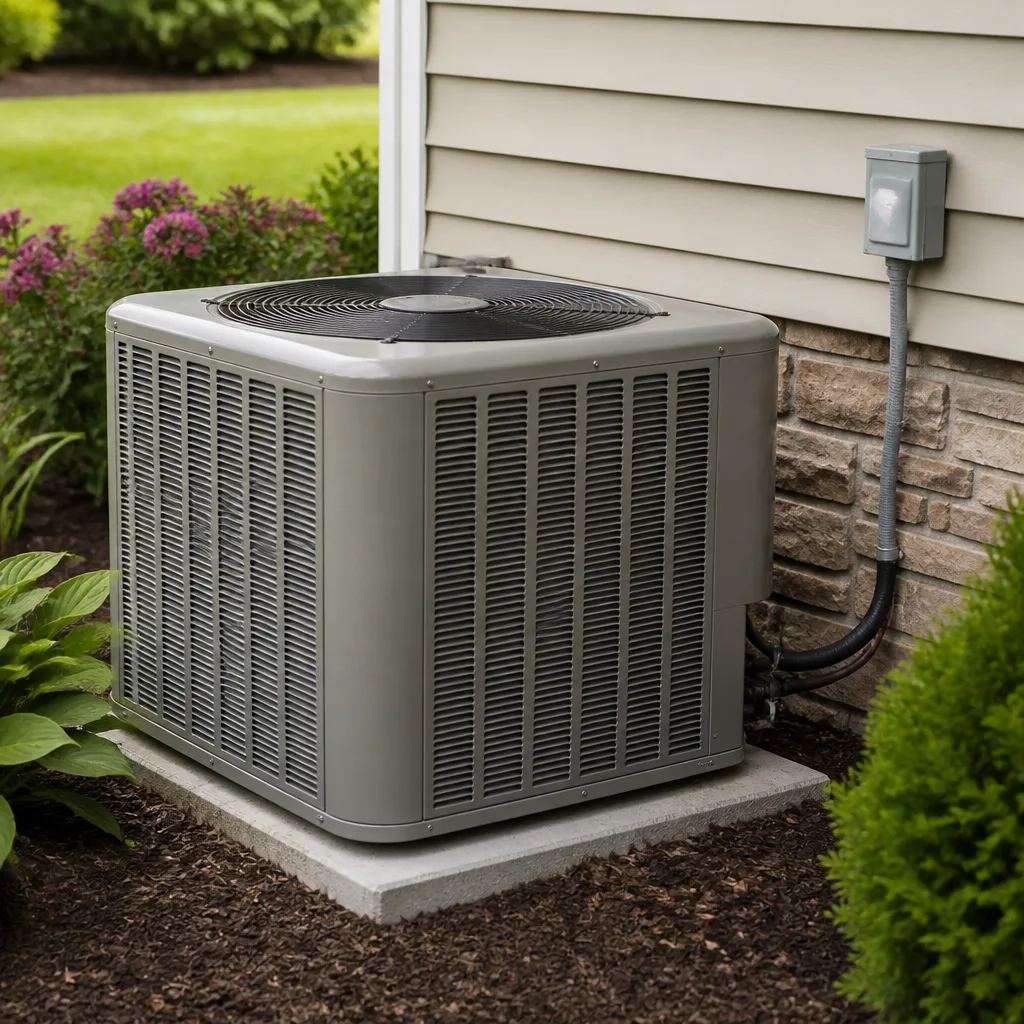
The condenser coil is the finned coil on the outdoor unit, and it’s how the system dumps heat pulled from your house. Air has to pass through it cleanly for the system to work. When cottonwood fluff packs into those fins, airflow drops, the compressor runs hotter and longer, and efficiency drops in a hurry. We see this every June when temperatures climb into the 90s and homeowners first start running the AC hard. The units that struggle are almost always the ones with a coil full of fluff from the last two weeks.
The failure mode is straightforward. Restricted airflow across the condenser means refrigerant doesn’t shed its heat, which raises discharge pressure, which stresses the compressor. On an older Carrier or Goodman unit with a marginal charge, that stress can tip a compressor into failure. A $0 coil rinse in late May prevents the whole chain.
Why It’s More Predictable Here Than Elsewhere
Provo sits in a valley with dense cottonwood canopy in older neighborhoods and along the Provo River corridor. The fluff season runs roughly mid-May through early June, depending on the year. If you’ve lived in the same house for a few seasons, you already know your tree situation. The key is checking the coil *before* the fluff peaks, not after your first warm-week service call.
Homeowners who’ve had a bad summer with their AC often don’t connect it to the fluff. They assume the system is “just old.” In our experience with AC Repair Provo calls, it’s usually not old age. It’s a coil that hasn’t been rinsed since last June.
The Late-May Coil Inspection Window
Timing matters more than the technique. Inspecting the coil in late May catches the pre-cottonwood buildup before the fluff arrives and gives you a clean baseline for the season.
Here’s the sequence we recommend for Provo homeowners:
- Kill power to the outdoor unit at the disconnect. The disconnect is the small box near the condenser, usually with a pull-out handle. Never work on the unit with power live.
- Look at the fins first. Stand outside and look through the coil from several angles. If you can’t see light through the fins, airflow is restricted. You’ll see grey-brown grime, cottonwood fluff, or grass clippings packed in.
- Check the top of the unit for debris. Leaves, seed pods, and fluff collect on top and get pulled down into the coil. Clear the top first.
- Rinse the coil from the inside out with a garden hose on low pressure. High pressure bends the fins, which damages the coil. Low pressure, back-to-front.
- Inspect for damage. Bent fins, kinks in the lines, or rust on the cabinet are worth a professional look. Don’t try to straighten fins yourself.
Why Missing This Window Leads to July Problems
Homeowners who skip the late-May check end up calling in mid-July, when temperatures peak and their system is struggling. That’s the compressor overload window. In Provo, the hottest stretch typically runs through mid-July and August. If your coil is already restricted when the heat wave arrives, the compressor runs near its limit for weeks. That’s when we see the failures that could have been prevented with a ten-minute check.
The work itself is simple. The timing is what most people get wrong. If you schedule AC maintenance at all, schedule it for May, not June.
Hard-Water Buildup in Condensate Drain Lines
Provo sits in a high-desert water district, and the water is hard. Mineral content in the water supply is significantly higher than most of the country. That matters for one component in your AC that most checklists ignore: the condensate drain line.
Your AC pulls moisture out of the air as it cools. That moisture drips into a pan under the indoor coil, then drains through the condensate line to the outside or a floor drain. In humid climates, this line handles a lot of water. In Provo, it handles less, but the water that does flow leaves mineral deposits on the inside of the line. Over a few seasons, that buildup narrows the line and eventually clogs it.
What Happens When the Line Clogs
A clogged condensate line backs water up into the drain pan. If the pan overflows or rusts through, you get water damage to the ceiling below, the furnace cabinet, or the closet the air handler sits in. This is one of the most common water-damage calls we handle in Provo, and it’s almost always traceable to hard water.
What to Check
- Find the drain line. It’s usually a PVC line running from the indoor unit to a floor drain or the exterior of your house.
- Look for crust or visible buildup at the inside of the outlet end.
- Check for standing water in the drain pan under the indoor coil. A dry pan during operation is normal. Standing water is not.
- Listen for gurgling in the drain line during operation, which can signal a partial clog.
Homeowners can flush the accessible portion of the line with water or a shop vacuum, but if the clog is inside the coil cabinet or the drain pan is showing standing water, don’t force it. Call a technician. We can clear the line without risking the coil or the pan. This is the kind of check that prevents a water-damage call, and it’s more important in Provo than in most places because of the water chemistry.
Checking Refrigerant Indicators Without Touching the Lines
Refrigerant work requires a licensed technician and a set of gauges, and it’s genuinely dangerous to handle. But homeowners can observe the *symptoms* of a low charge without touching a refrigerant line. That’s the point of this section.
What to Look For
- Frost on the suction line. The larger copper line running from the outdoor unit to the indoor unit should be cold and sweating, not frosted. Frost on that line is a sign the system is running cold because of a charge issue or a restriction.
- Frost on the indoor coil or cabinet. Visible frost anywhere inside the indoor unit during normal operation is a refrigerant or airflow problem. Shut the system down and call a technician.
- Warm air from registers. If the air coming out of your vents is barely cool, the system may be low on charge. Before assuming that, check the filter (see next section). A dirty filter produces the same symptom.
- Long runtimes without cooling. A system that runs continuously but doesn’t hold the setpoint on a normal Provo summer day is a diagnostic sign worth investigating.
- Ice on the outdoor unit. This is rare but possible. Any ice on the outdoor unit means the system is not working correctly.
What NOT to Do
Never add refrigerant to a system yourself. Refrigerant is regulated, and systems need to be charged to a specific weight or subcooling specification depending on the manufacturer and the equipment. Adding “a little” refrigerant to a system that’s actually low due to a leak adds cost and delays a real repair. Every one of the Carrier, Trane, Lennox, and Goodman units we work on has specific charge requirements, and the right diagnosis starts with a set of gauges.
If you notice frost patterns or warm-air symptoms, the best move is to shut the system off at the thermostat and call for a diagnostic. Running a system with a low charge stresses the compressor and can turn a recharge into a full compressor replacement.
Filter Ratings vs. Airflow: Why MERV-13 Can Hurt Your System
Filter upgrades are one of the most popular DIY moves, and one of the most common causes of blower motor stress we see. Here’s the plain version: a filter that filters *better* also restricts airflow *more*. A system designed for a MERV-8 filter can lose a dangerous amount of airflow if you put a MERV-13 in the same slot.
Restricted airflow stresses the blower motor because the motor has to work harder to move air. It also drops indoor coil temperature, which can cause ice on the coil. It also raises the temperature rise across the furnace during the heating season, which shortens the life of the heat exchanger. Blower motors, indoor coils, and heat exchangers are all expensive. A filter upgrade that isn’t matched to the system can shorten all three.
What to Check on the Filter
- Look at the filter rating. It’s printed on the filter frame: MERV-8, MERV-11, MERV-13, etc. Your system’s design airflow was likely set with a specific MERV rating in mind. A typical residential system is designed for MERV-8 to MERV-11.
- Check thickness. A 1-inch MERV-13 restricts far more airflow than a 4-inch MERV-13 with the same rating. Thickness matters as much as the MERV number.
- Watch for symptoms after upgrading. If your system starts running longer after a filter change, or if the air from your registers feels weaker, the filter may be too restrictive.
- Plan the change frequency. In Provo, cottonwood season is the peak filter loading period. Change or inspect the filter once mid-May, then again at the end of June.
The Right Filter for Your System
If you have allergy concerns and want higher filtration, we recommend having us look at your system’s static pressure first. We can tell you what the blower is designed for and whether a higher-MERV filter will work without stressing the motor. On many Provo systems, the right move is a thicker media filter cabinet, not a higher rating in the same 1-inch slot.
Homeowners who’ve had a blower motor replaced and then installed a MERV-13 filter afterward are often setting themselves up for the same failure again. The filter isn’t the villain. The mismatch is.
The Fall Handoff: What to Do When You Shut the AC Down
In Provo, the cooling and heating seasons blend. Most homes run the AC into late September, then the furnace picks up in October. The furnace crossover is not a separate checklist from AC maintenance. It’s the same handoff done as one continuous seasonal routine. Treating them as two separate spring and fall lists is how homeowners miss things.
Fall Tasks When You Shut the AC Down
- Rinse the condenser coil one more time. Late season cottonwood and leaves pack in. A clean coil at shutdown means the spring start-up is easier.
- Flush the condensate drain. Do this one last time before the AC stops running for the season. Hard water minerals accumulate fastest during the last stretch of summer.
- Check the furnace filter. A fresh filter going into heating season protects the heat exchanger and blower motor.
- Test the furnace before you need it. Turn the thermostat to heat on a mild day and let it run for a few minutes. You’re looking for a normal flame and warm air at the registers. This takes five minutes and prevents a cold-night surprise.
- Check the furnace cabinet for signs of moisture. If the AC pan has been leaking, the furnace cabinet may show rust. Worth knowing before the heating season.
- Note the outdoor unit condition. Bent fins, kinked lines, or debris in the cabinet are easier to catch in the fall than in the first week of July.
This is the point where many homeowners only think about heating and forget the cooling side. In our Provo experience, spring AC problems are frequently traced to something visible in October. Doing the crossover tasks as one routine catches both sides in one visit.
What a Typical Provo AC Season Looks Like
Provo cooling seasons start early and end late. The typical pattern runs from May through September, with the peak load on your system in mid-July through August. That’s when we see the highest volume of AC repair requests, and most of them trace back to the four failure points above.
The specific local factors that shape the season:
- Dry high-desert heat. Summer humidity is low, which means your AC runs longer per day than a humid-climate system. Long runtimes mean more wear on the compressor, so maintenance matters more.
- Cottonwood fluff (mid-May through early June). The most predictable coil-loading event of the year. The check has to happen *before* this window, not during it.
- Hard water. Condensate drain buildup is a slower problem than cottonwood, but it’s the one that causes water damage calls. Check it in May and again in the fall.
- Older housing stock in central Provo. Many homes here have systems that were sized for the house as it was built, and additions or upgrades change the load. A system that was once fine can start struggling after a renovation.
- Cold winters. The furnace runs hard in December and January, which means the heat exchanger and blower motor are doing their own work for months. A dirty filter in heating season is just as costly as a dirty filter in cooling season.
If you’re considering a new system or a major repair based on what you’re seeing, our AC installation guide covers how a proper load calculation informs sizing. It’s the counterpart to this guide. One is about keeping what you have running, the other is about replacing it correctly.
The Full Season-by-Season Checklist
Here’s the whole thing in one place, organized by when to do it. Print this, stick it on the garage wall, and work through it at the right times of year.
Late May (Pre-Cottonwood)
- Inspect and rinse the condenser coil (power off first).
- Clear debris from the top and sides of the outdoor unit.
- Inspect the indoor filter and note the MERV rating.
- Check for frost on the suction line and indoor coil during operation.
- Flush the condensate drain line.
Mid-June (Post-Cottonwood Peak)
- Inspect the condenser coil again for fluff.
- Replace or clean the filter.
- Check the drain pan and drain line outlet for buildup.
- Look at discharge air temperature at the registers (should be clearly cooler than room air).
August (Peak Load)
- Replace or clean the filter.
- Rinse the condenser coil if you’ve had a windy or dusty stretch.
- Listen for unusual noises at the outdoor unit.
- Watch for long runtimes or short cycling.
October (Fall Handoff)
- Rinse the condenser coil one final time.
- Flush the condensate drain and check the pan for water.
- Replace the furnace filter.
- Test the furnace on a mild day.
- Check the furnace cabinet for rust or moisture.
Each item above takes five to fifteen minutes. Total time for the whole year is under two hours. The payoff is a system that doesn’t get overworked in the peak Provo summer heat, a lower electric bill, and far fewer service calls. Homeowners in Provo who do these checks every season report calmer summers than those who don’t. It’s not rocket science. It’s timing.
Common Mistakes to Avoid
- Skipping the late-May coil check. This is the single most common mistake we see in Provo. Homeowners wash the coil in July, after the cottonwood has already done its work. The right time is before the fluff peaks.
- Running a MERV-13 filter in a system sized for MERV-8. Higher filtration is not automatically better. If your system’s blower was designed for MERV-8 airflow, a MERV-13 filter restricts air and stresses the motor long term.
- Ignoring the condensate drain until it backs up. Hard water buildup in Provo is slow and quiet, then suddenly visible when the ceiling below the air handler stains. Check the drain every spring and fall, not just when you notice something wrong.
- Hosing down the condenser coil at full pressure. High-pressure water bends fins and damages the coil. Low-pressure rinse only, always from the inside out.
- Adding refrigerant without a diagnostic. Refrigerant doesn’t “get used up.” If your system is low, it’s leaking. Adding refrigerant without finding and fixing the leak just delays a bigger repair.
- Treating fall as only a furnace concern. The best fall routine combines the last AC tasks with the first furnace tasks. Skipping the AC side means problems the following spring that could have been caught in October.
- Running the system with frost on the indoor coil. Frost is a symptom, not a stage. Shut the system down and call for a diagnostic. Putting it off can turn a minor restriction into a compressor replacement on a Carrier, Trane, or Lennox system that might have been an easy fix.
See the difference
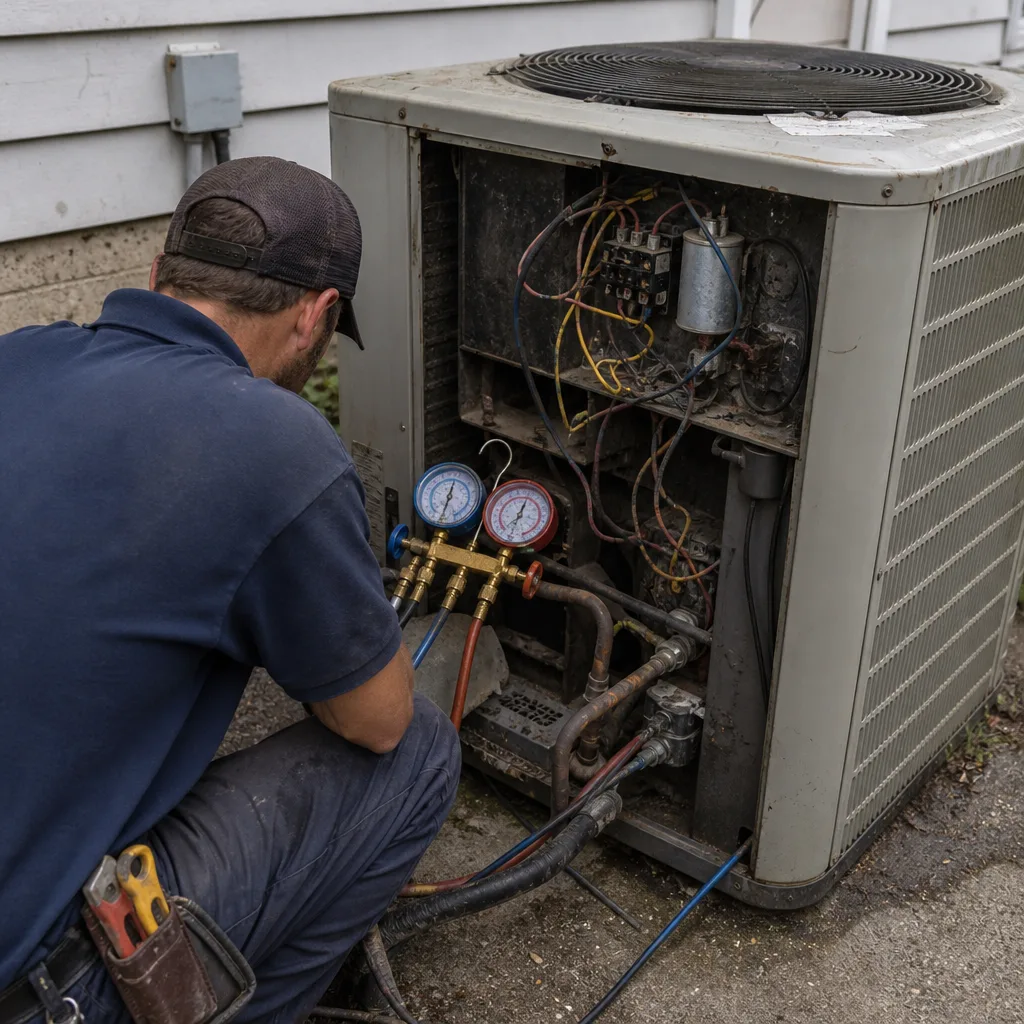 Before
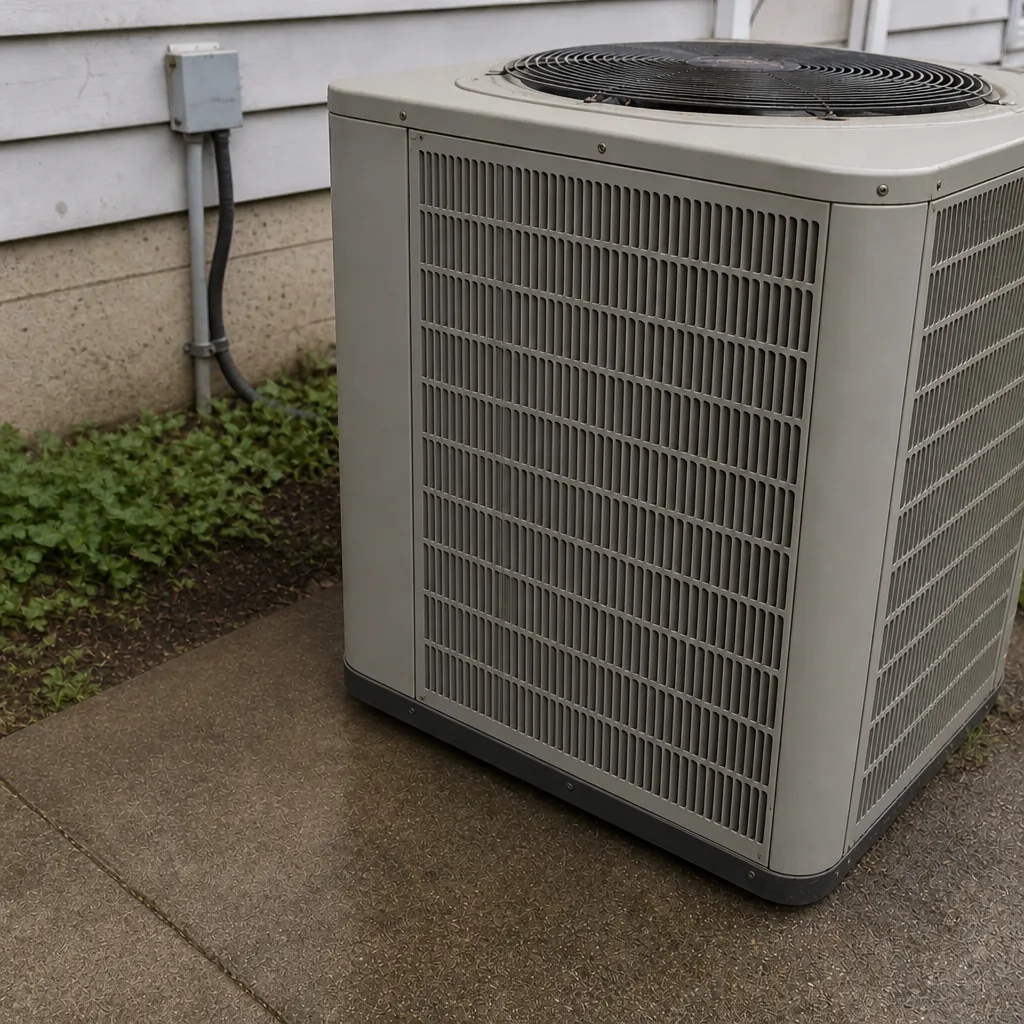 After
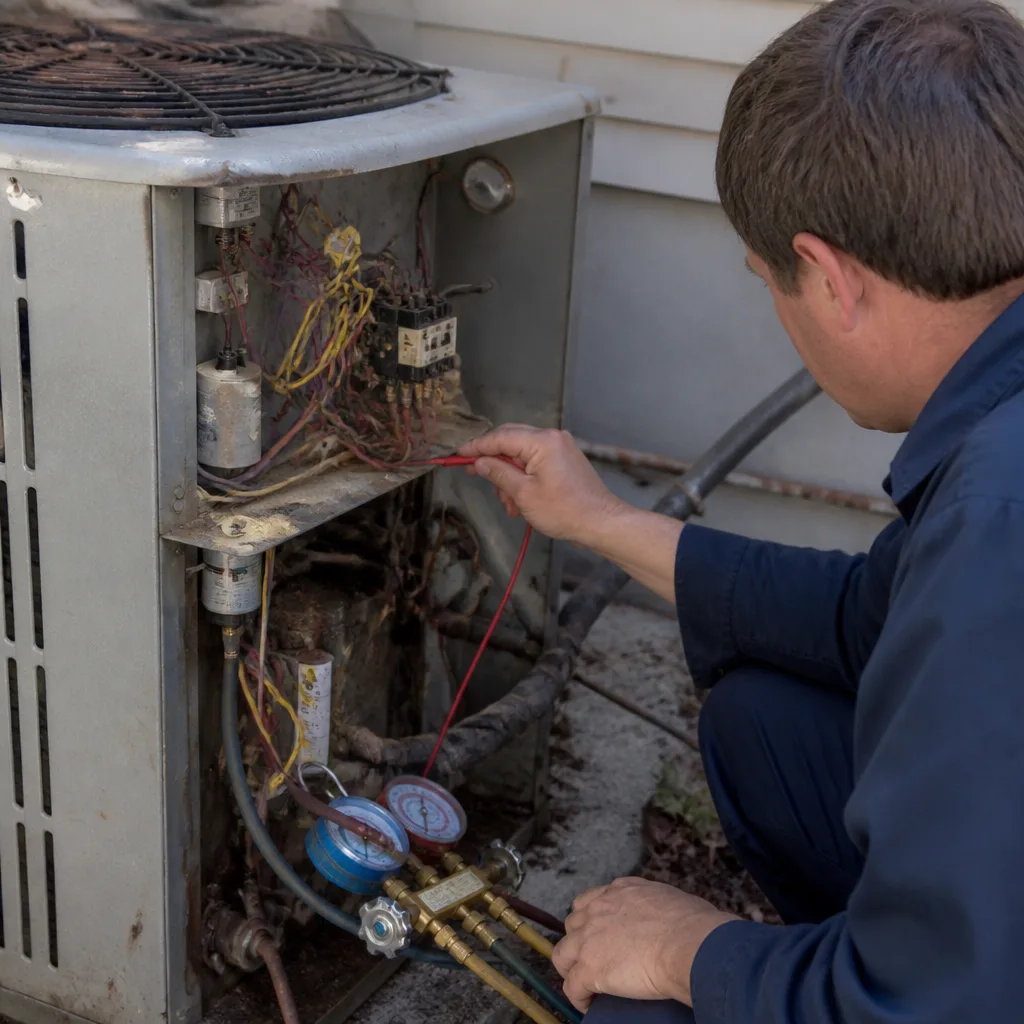 Before
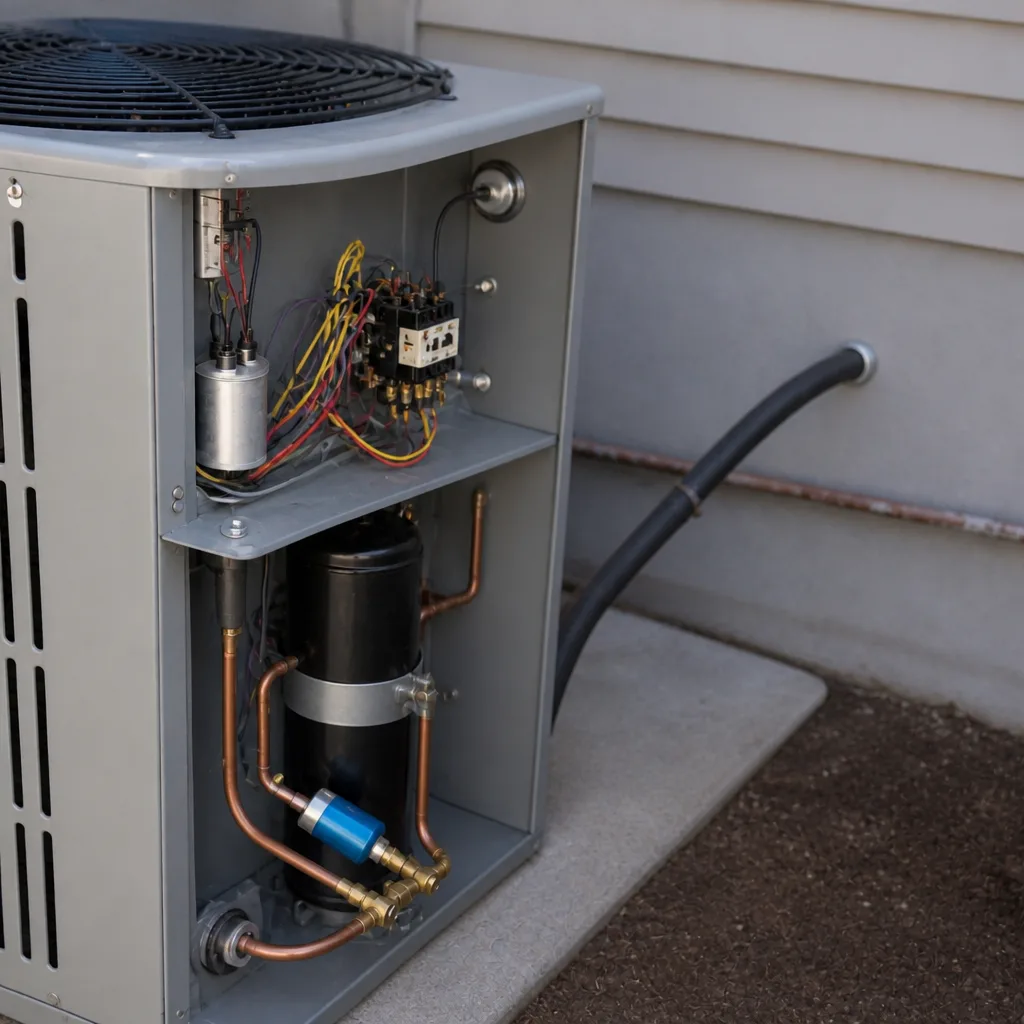 After
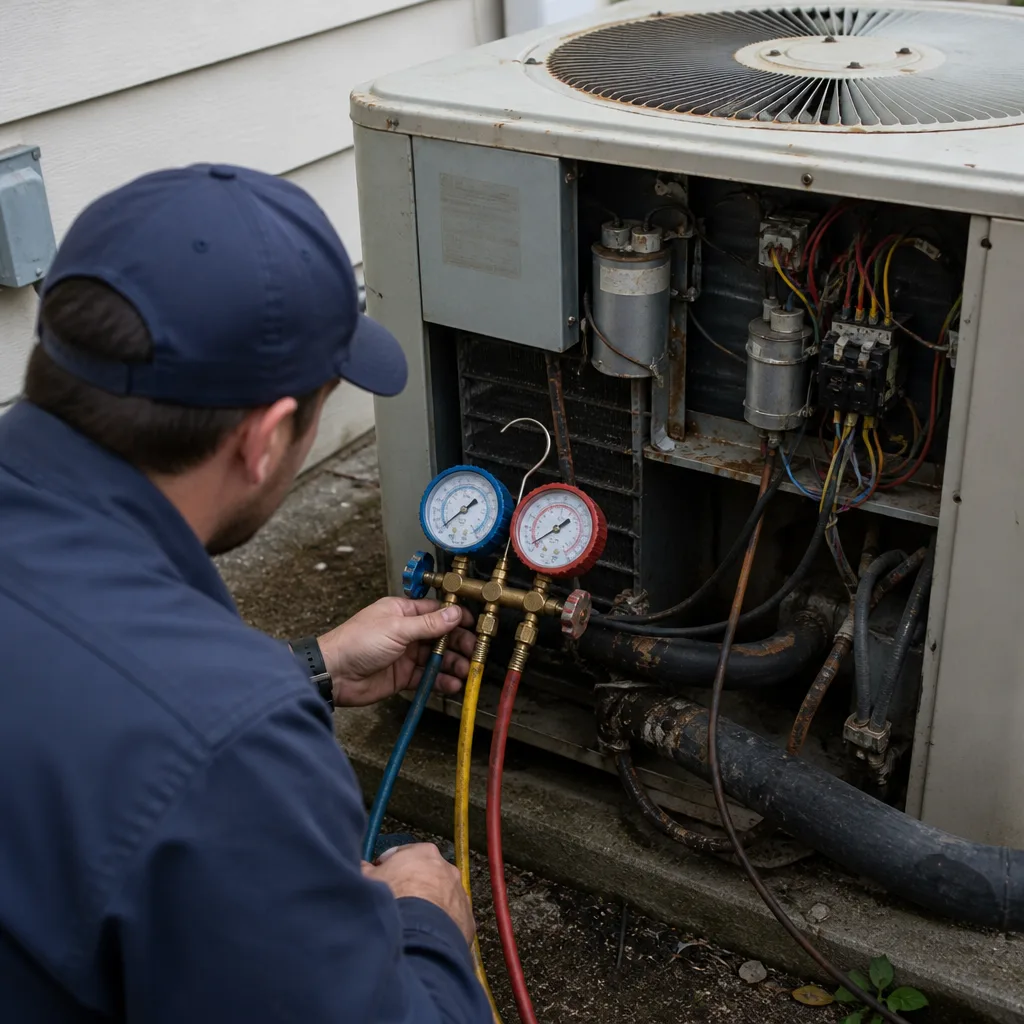 Before
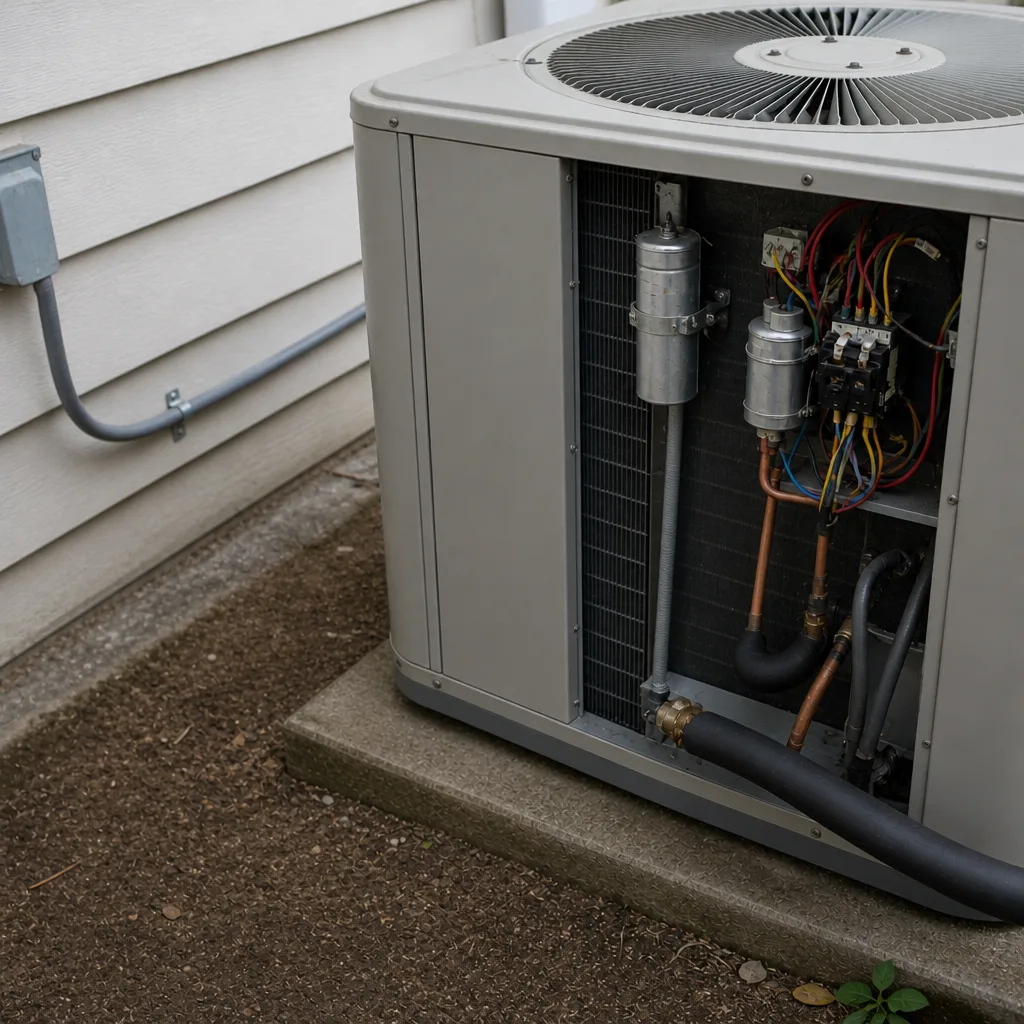 After
When to Call a Professional
Some of this checklist is genuinely DIY-friendly. Some of it isn’t, and the line between the two is worth respecting. Call a professional if you see: frost on the suction line or indoor coil during operation, standing water in the drain pan, ice anywhere on the outdoor unit, a compressor or blower motor that’s making unusual noises, a system that runs continuously without holding setpoint, or visible damage to the condenser coil. Also call if the drain line has backed up into the ceiling or cabinet, or if you suspect a refrigerant leak.
AC Repair Provo offers free estimates in Provo. We service Carrier, Trane, Lennox, and Goodman systems (plus a few more) with brand-specific diagnosis instead of generic guesswork. Call (855) 657-5471. We answer 24/7. Fast dispatch from 7am to 7pm, Sunday through Friday. When you’re ready to see how a proper spring tune-up fits the yearly routine, our AC repair team can walk you through it. Or if you’re facing a bigger decision, the AC installation side of the house has the load-calc details.
Frequently Asked Questions
The best window is late May, before cottonwood fluff season peaks. That timing gives you a clean coil for the summer’s hardest stretch. A second check in the fall, when you shut the system down, catches late-season issues before winter. If you’re booking a professional tune-up, ask for May on the calendar, not June.
Cottonwood fluff is the main culprit. Provo has dense cottonwood canopy in many neighborhoods, and the June fluff gets pulled straight into the condenser coil. Hard water minerals in the condensate drain are a separate, slower problem. Between the two, Provo cooling systems need more attention to the coil and drain than the national average.
Only if your system is designed for it. A 1-inch MERV-13 filter restricts airflow far more than a MERV-8, and a blower motor sized for MERV-8 will run hotter and work harder with the higher rating. Thickness matters too: a 4-inch MERV-13 is less restrictive than a 1-inch MERV-13. Ask a technician to check your system’s static pressure before upgrading.
Twice a year: once in late May when you’re doing the pre-season coil check, and again in the fall when you shut the AC down. Provo’s hard water builds up inside the line slowly, so twice-a-year checks catch it before it clogs. If you see standing water in the drain pan, call a technician instead of trying to flush it yourself.
It usually is, but not always. Frost on the larger suction line or the indoor coil can indicate a low charge, a restriction, or an airflow problem. Shut the system down at the thermostat and call for a diagnostic. Running a system with frost on the coil stresses the compressor and can turn a minor repair into a major one.
Yes, at the fall crossover. When you shut the AC down in October, replace the furnace filter, test the furnace on a mild day, and check the cabinet for rust or moisture from a leaking AC pan. Doing the AC shutdown and the furnace start-up as one routine means nothing gets missed between seasons.
The Bottom Line
AC maintenance in Provo isn’t complicated, but it is timing-sensitive. The four items that matter most are the late-May coil rinse before cottonwood peaks, the condensate drain flush twice a year for hard water buildup, a filter rating matched to your system’s airflow, and a watchful eye on refrigerant symptoms without touching the lines. Do the fall crossover as one continuous handoff with the furnace, not as a separate checklist. That’s the routine. It’s a couple hours a year, and it protects the compressor, the blower motor, and the heat exchanger. For the diagnostics that need a technician and gauges, we’re one call away. The AC Repair Provo team works on whatever brand you already have. Same-system fix, not a sales pitch.
Written by the team at AC Repair Provo, serving Provo since 2013.