
Last updated November 14, 2026
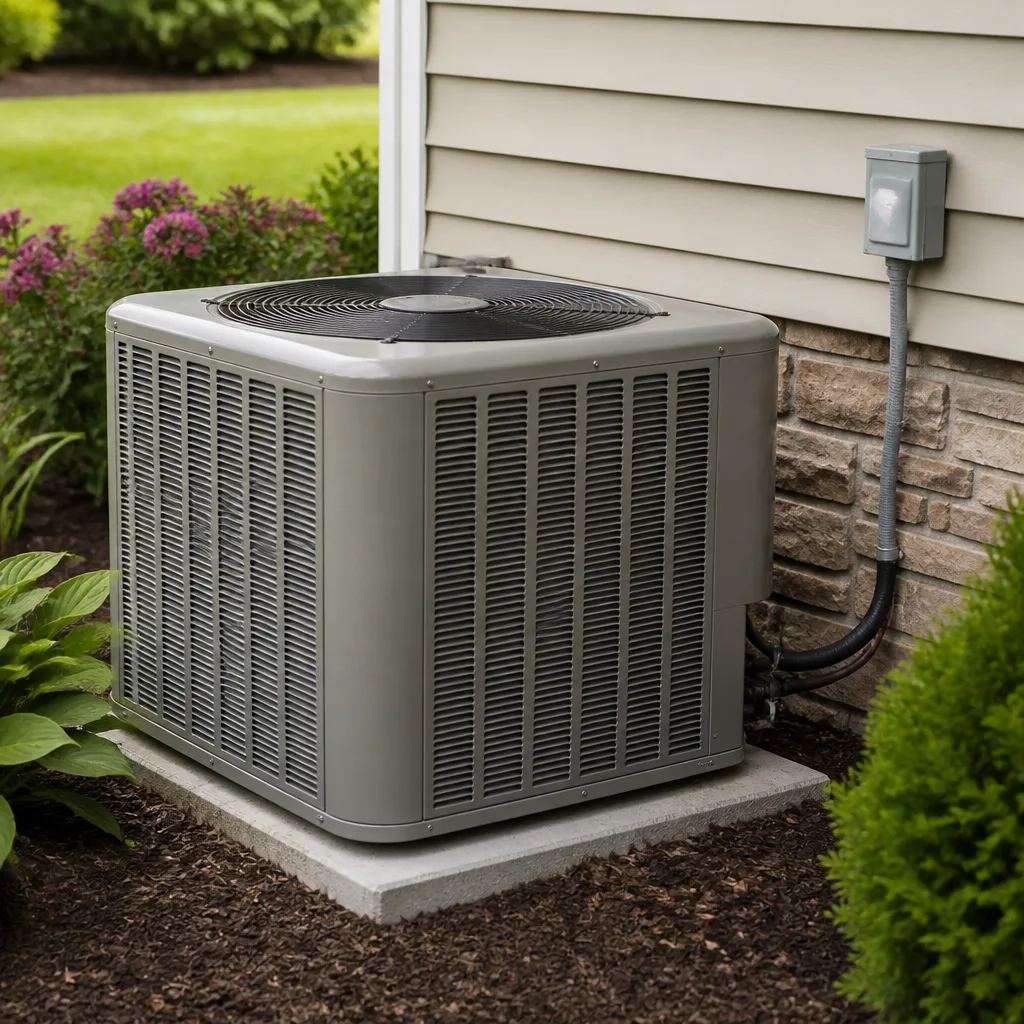 AC repair
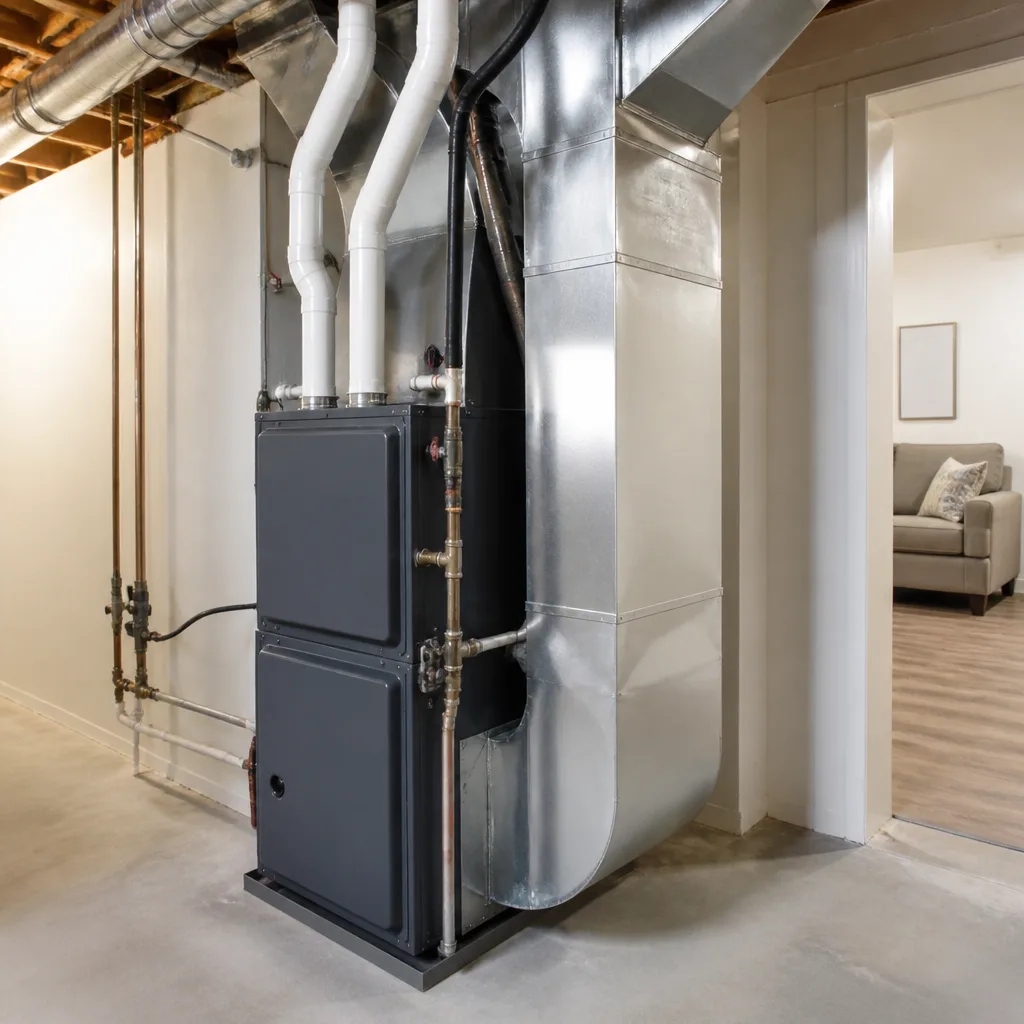 Furnace & heating
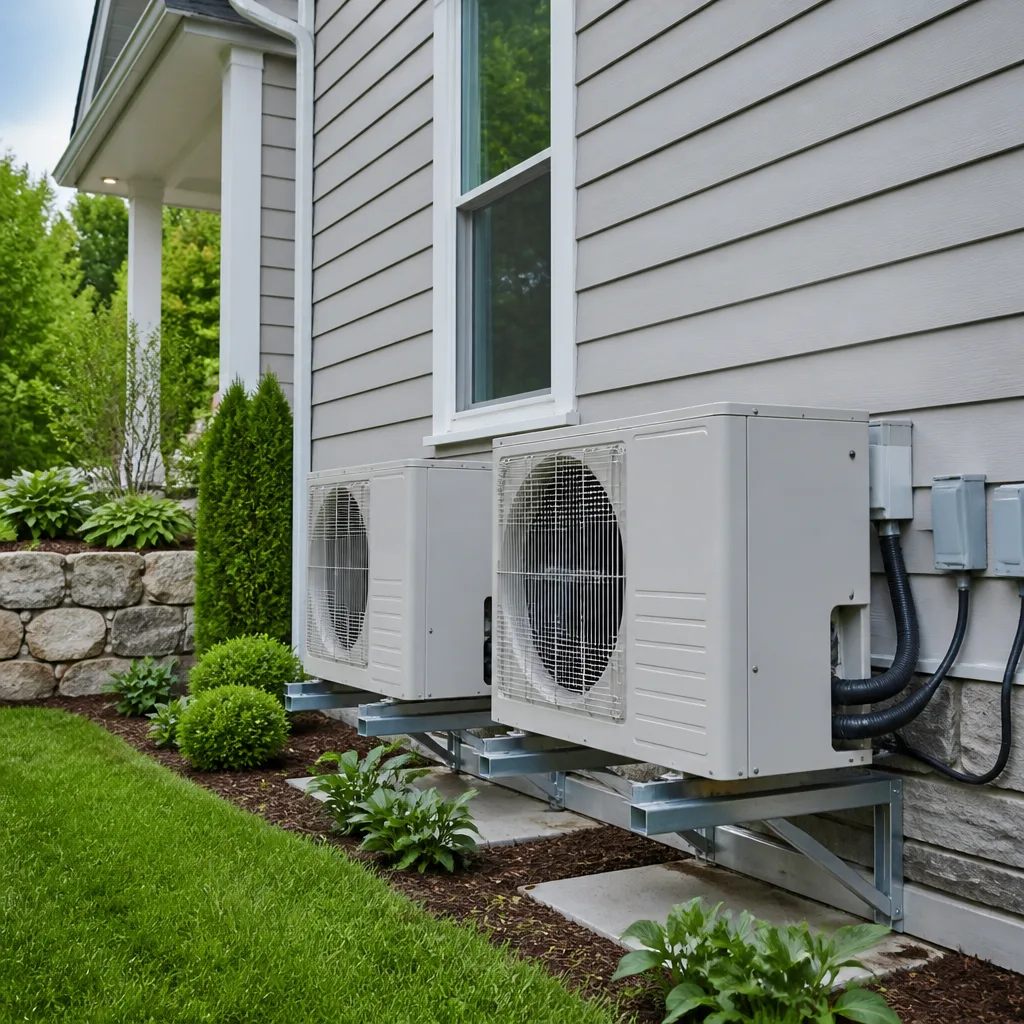 Heat pumps
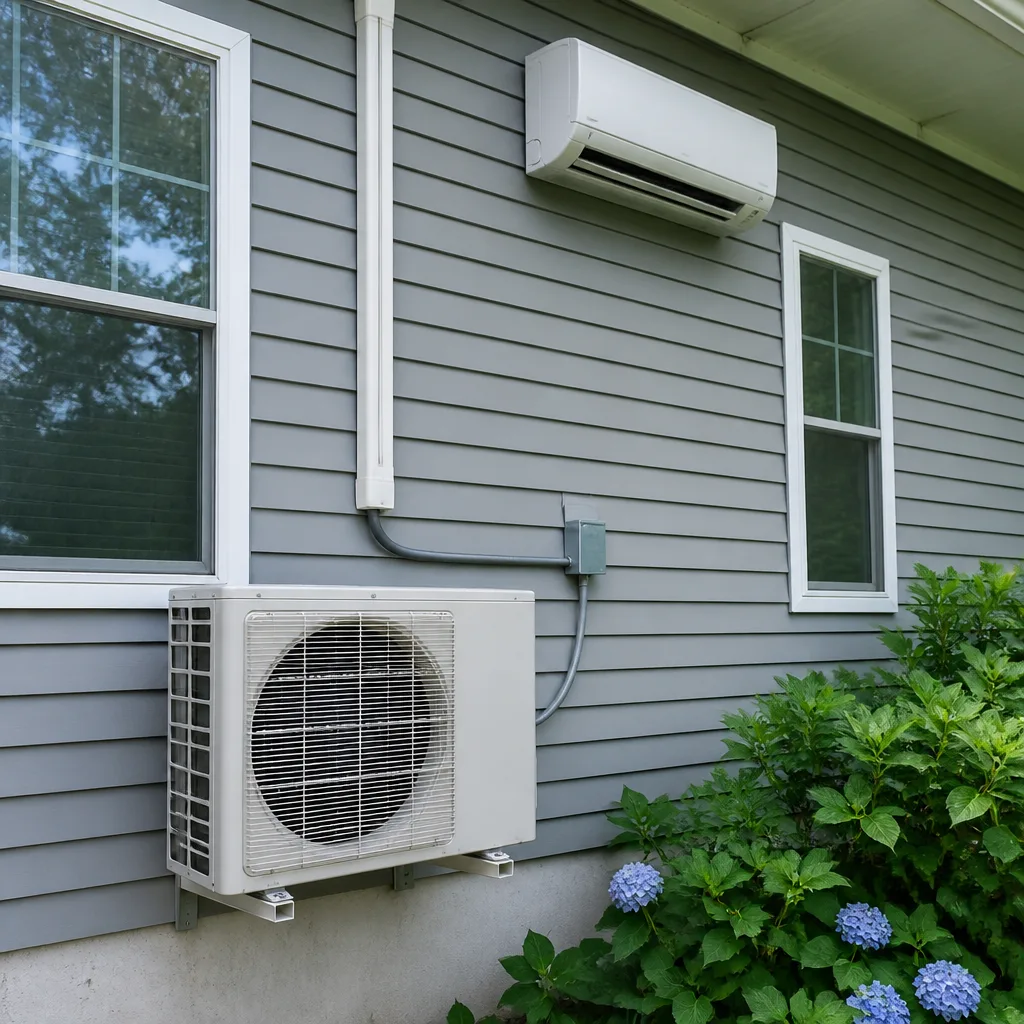 Ductless mini splits
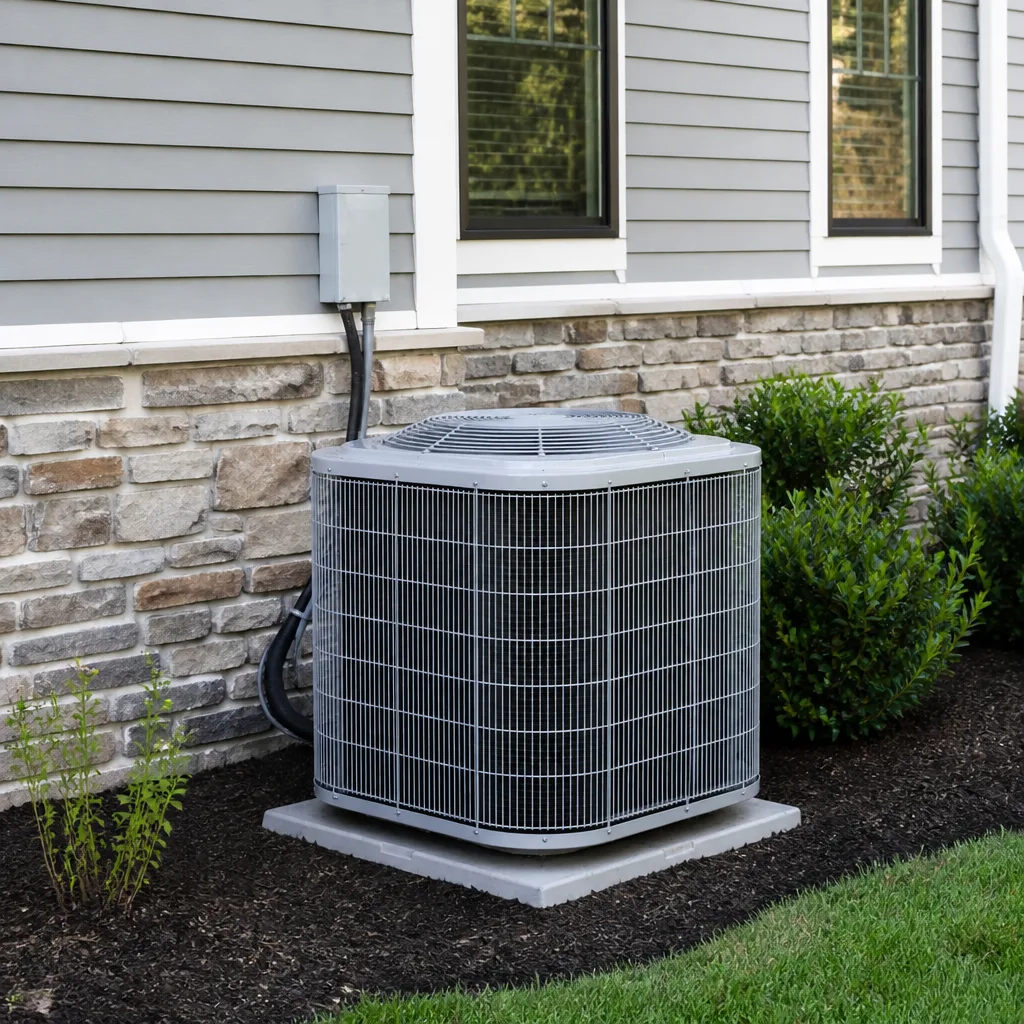 Carrier
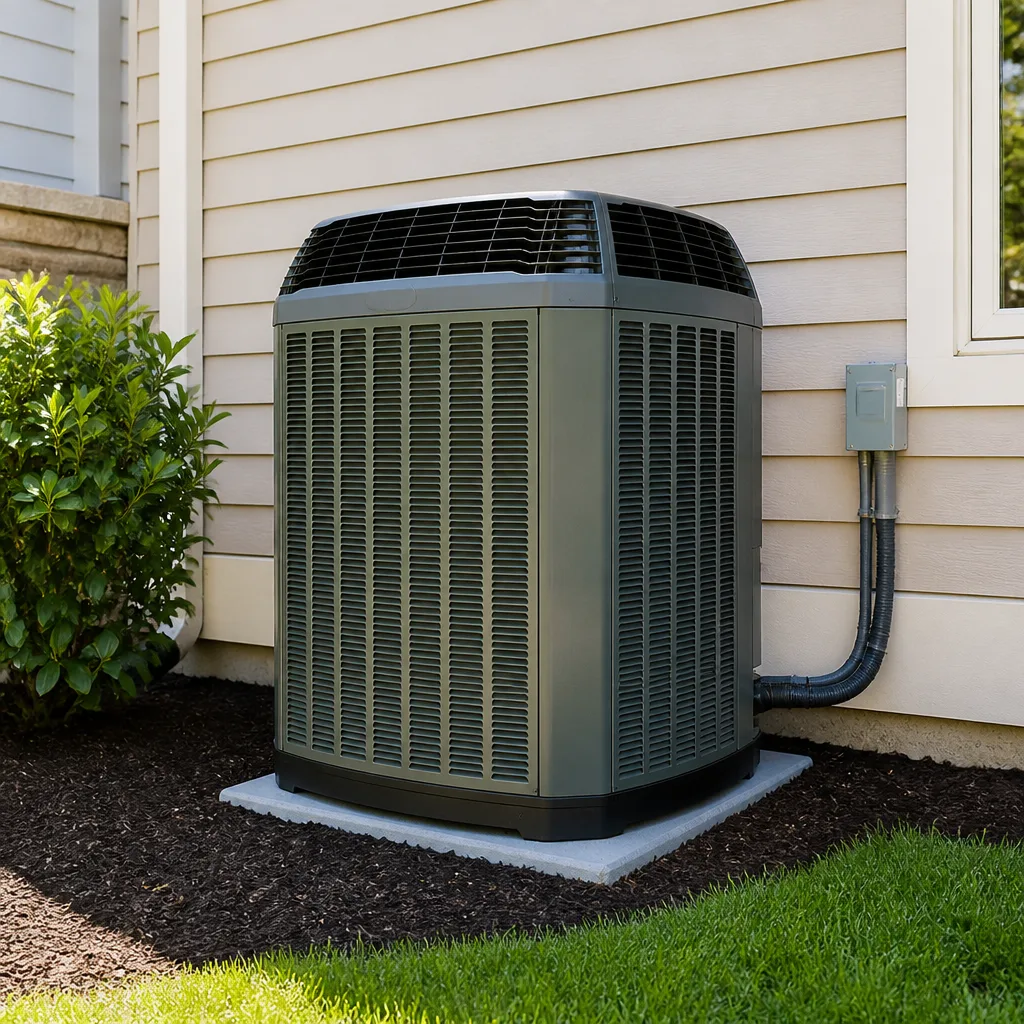 Trane
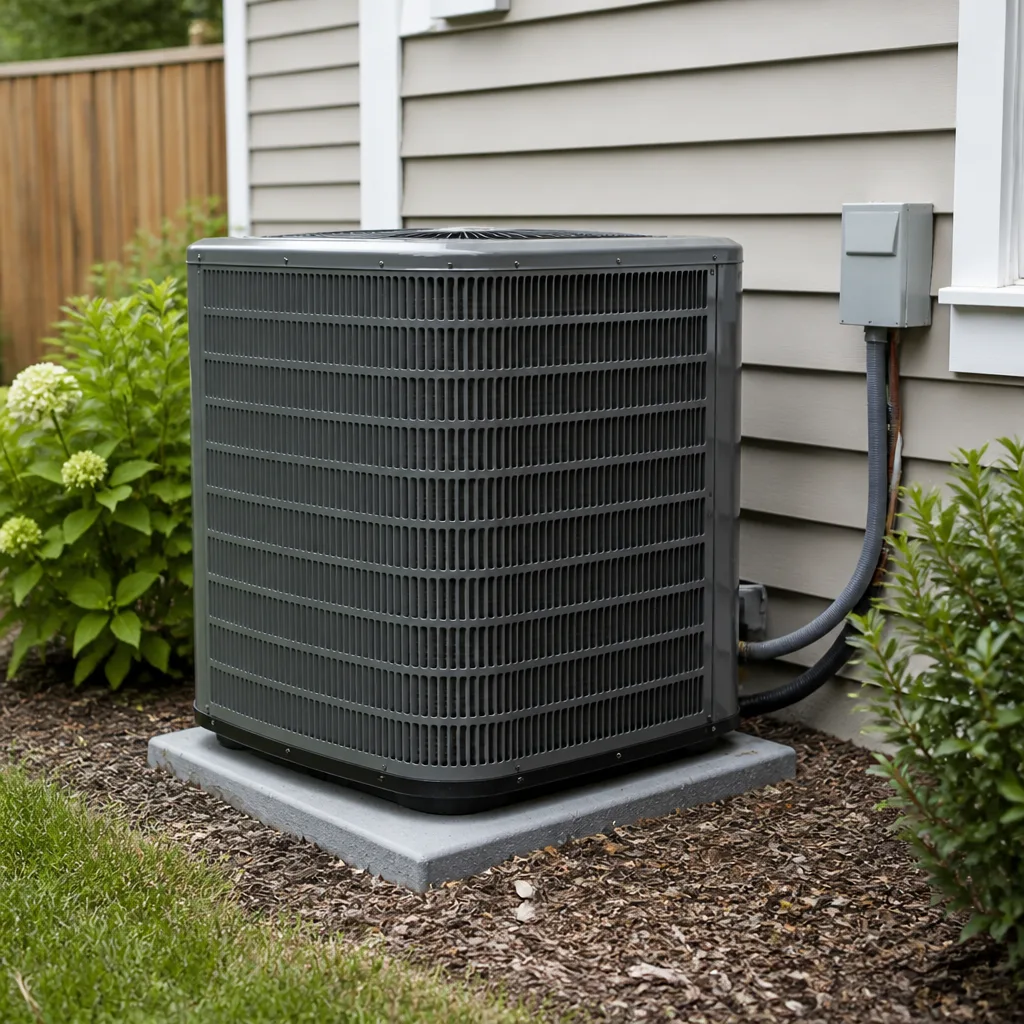 Goodman
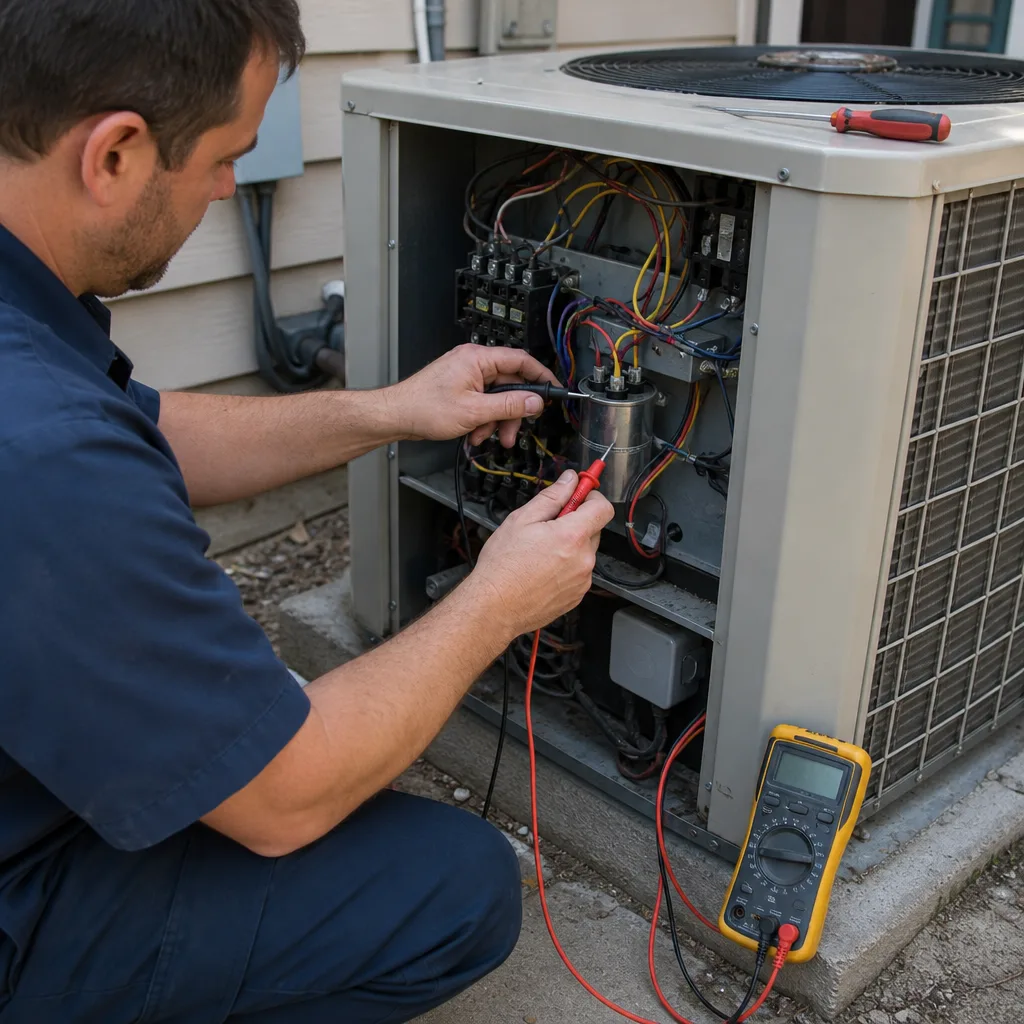
Seasonal tune-up and full diagnostic on your Carrier, Trane, or Goodman system - readings shown to you before any repair is proposed
Diagnosis first, numbers second - you approve the repair price before a single part goes in.
Get your free estimateChoosing the Right HVAC Brand: A Buyer’s Guide for Provo
Most homeowners in Provo start their HVAC research by comparing SEER2 ratings and warranty lengths. That’s backwards. The equipment matters, but what determines whether you’ll be comfortable three summers from now is whether a technician can get the right part for that equipment when it fails. In the Utah County market, the difference between next-day repair and a two-week wait usually comes down to which brand’s parts are already sitting on a shelf within a reasonable drive. This guide walks through parts availability, brand tiers, warranty service obligations, and what it means for a technician to actually know your equipment, so you can choose a system you’ll be able to keep running.
Quick Answer
The best HVAC brand in Provo is the one a local technician can diagnose and repair quickly with parts that are available in the Utah County supply chain. For most homes here, that means Carrier, Trane, Lennox, or Goodman installed by a contractor who services that brand specifically, sized correctly for a cooling-dominant climate. Premium efficiency only pays off when the equipment can actually be serviced.
Styles & brands we work with
- AC repair
- Furnace & heating
- Heat pumps
- Ductless mini splits
- Carrier
- Trane
- Goodman
Table of Contents
- Why Parts Availability Beats Brand Reputation in Provo
- What “Brand Coverage” Actually Means in a Service Call
- Cooling-Dominant Climate: What SEER2 Means for Provo Homes
- Matching Brand Tier to Home Value and How Long You’ll Stay
- The Warranty Reality Check
- How to Evaluate a Contractor’s Brand Fluency
- A Practical Step-by-Step Brand Selection Process
- Common Mistakes to Avoid
Why Parts Availability Beats Brand Reputation in Provo
The industry talks about brand the way car commercials do: prestige, engineering, efficiency. What gets left out is distribution. When an AC fails in July in Provo, the question isn’t which brand has the better brochure. It’s whether the control board, capacitor, or compressor is on a truck in Salt Lake County or in a warehouse three states away.
Utah County sits in a distribution network that services the Wasatch Front, and major manufacturers stock their common repair parts in that network. Carrier, Trane, Lennox, and Goodman have the widest residential residential parts presence in this region, which is a big part of why repairs on those systems tend to move faster. That’s a distribution fact, not a judgment about engineering quality.
Where things get complicated is with brands that have a small local footprint. A specialty or European-engineered system can be excellent equipment. But if its proprietary control board has to be special-ordered, a homeowner in Provo could be waiting weeks for a part while the house sits at uncomfortable temperatures. A single hard-to-source component can erase every efficiency advantage the unit had on paper.
This is the reframe: choose a brand based on whether the equipment can be serviced in Utah County first, then compare efficiency and features within that set. That being the case, we work on whatever system is already installed, because the practical service reality is that any of the major brands can be kept running when parts are nearby.
What “Brand Coverage” Actually Means in a Service Call
When a technician says they “cover” a brand, they’re usually saying one of two very different things. Understanding the difference is the single most useful piece of brand research a Provo homeowner can do.
The first version is genuine brand-specific fluency. The technician knows that manufacturer’s diagnostic codes, knows where the common failure points are on that model family, and knows which components are shared across the product line. That knowledge shortens diagnosis time and prevents wrong-part ordering, which is where repair costs really add up.
The second version is generic. The technician applies general HVAC principles to a system they’ve never seen, spends extra time digging through specs, and sometimes guesses at the fault. The equipment is unfamiliar, so the visit stretches out. Both technicians may be skilled. Only one is efficient with your specific unit.
Here’s how to tell them apart before you ever schedule a visit:
- Ask which manufacturers they service. A clear, specific list is a good sign. A vague “we do all brands” usually means generic fluency.
- Ask how they’d diagnose a fault on your specific model. A brand-fluent technician will describe the model family and known failure points without hesitation.
- Ask whether they stock common parts for that brand or order them. Stocked common parts mean faster turnaround when the system goes down.
- Ask what happens if a proprietary component fails. A contractor who can tell you how that part typically gets sourced is telling you they’ve done this before.
For a homeowner with a Carrier or Lennox system, that specificity is what separates a repair that gets handled on the visit from one that requires a second trip. If you’ve got a system that needs attention now, you can get AC repair from technicians who’ve worked on all the major residential brands across every season.
Cooling-Dominant Climate: What SEER2 Means for Provo Homes
Provo summers push into the high 90s and occasionally past 100, and the cooling season runs long. That has a direct implication for brand and model selection: SEER2, the efficiency rating for cooling, matters far more for most households here than heating efficiency ratings do.
What that means in practice:
- Lead with SEER2. The cooling rating drives summer operating cost. A higher SEER2 unit will save more over its life in Provo than in a milder climate.
- Treat heating ratings as secondary if you have gas heat. Most Provo homes run gas furnaces, so heating efficiency is a furnace spec, not an AC spec. Don’t pay for a premium heat rating you won’t use.
- Size matters more than rating. A higher-SEER2 unit that’s oversized will short-cycle, which wears the compressor and erases efficiency gains. Correct sizing is a load calculation, not a rule of thumb.
- Consider the air handler pairing. SEER2 is a system rating, not just an outdoor unit rating. The indoor coil and air handler must match the outdoor unit to hit the rated number.
- Insulation and duct conditions matter. A well-sized, moderate-efficiency system in a well-insulated home often outperforms a high-efficiency system in a leaky one.
Since SEER2 is the dominant number, it’s worth looking closely at it within the brands you’re considering. A practical way to think about this: if you’re weighing a premium-efficiency system against a mid-tier one, calculate the annual cooling cost difference and divide the price premium by that number. If the payback runs longer than you’ll own the home, the mid-tier unit is the better financial decision.
Cooling is the load that dominates here, and that’s where we focus. If you’re deciding between keeping what you have and upgrading, you can start with AC installation guidance for sizing and brand fit, and pair it with furnace service when heating season arrives.
Matching Brand Tier to Home Value and How Long You’ll Stay
The premium tier is real equipment, but premium pricing only pays back under the right conditions. Two factors decide whether it makes sense: the home’s value and how long you plan to stay in it.
Here’s a rough framework:
- Selling in the next few years: A high-efficiency premium unit rarely pencils out. Buyers don’t pay a premium for an efficiency rating they can’t verify, and the payback period outlasts your ownership. A mid-tier Carrier or Lennox system with reliable local parts makes more sense.
- Staying for the life of the system: A long-term owner is the right candidate for higher SEER2 and a premium brand tier. The savings accumulate over the equipment’s lifespan, and the comfort benefits show up every summer.
- Moderate home value: The high-end unit won’t raise the home’s perceived value enough to justify the price gap. Spend that money on correct installation and a properly sized system instead.
- High home value in a competitive market: A premium system can be an asset, but only when it’s installed correctly and documented. The paperwork matters as much as the badge on the condenser.
The tier decision is also a distribution decision. In Provo, a mid-tier Carrier or a mid-tier Lennox still has strong local parts support, so a buyer gets good equipment and good serviceability at the same time. A premium brand with a thin local footprint trades serviceability for features you may rarely use.
The Warranty Reality Check
A manufacturer warranty is a promise made by a company you’ll likely never speak to directly. The contractor backing it is the one you’ll actually call when something fails at the start of a hot week. Before you sign anything, verify what the warranty covers and who performs the covered work.
What to check:
- Confirm whether the warranty is a manufacturer warranty, a labor warranty from the contractor, or both.
- Ask whether the contractor performs the covered repairs, and under what conditions.
- Ask who pays for parts and who pays for labor. Manufacturer warranties often cover parts but not labor.
- Ask whether the warranty is transferable if you sell the home. This can affect resale value.
- Ask whether the warranty requires a specific installation or maintenance standard. Skipping a maintenance requirement can void coverage.
A warranty backed by a contractor with local parts access is a warranty that actually gets honored quickly. One backed by a contractor who has to special-order every part will still honor it, just slowly. Ask how warranty parts are typically sourced before you buy.
How to Evaluate a Contractor’s Brand Fluency
Contractor quality matters as much as brand, maybe more, because installation problems show up long before equipment problems do. Use a structured set of questions to separate a brand-fluent contractor from a generalist.
- Ask for a load calculation. Any contractor recommending a system size should run one based on the home, not a rule of thumb. This is the single best installation quality indicator.
- Ask which brands they service, not just install. A contractor who services specific brands can handle repairs on those brands quickly.
- Ask about parts sourcing. A good answer describes which components are typically stocked locally and which are ordered.
- Ask how they diagnose a specific model. Real fluency shows up here.
- Ask about furnace service. Your cooling and heating systems should be handled by the same team across seasons, so ask if they service furnaces too.
- Ask for a written fixed price. Installation should be quoted in writing before work starts, with a set install date.
Heat-related shutdowns in summer and furnace failures in winter both show up quickly in Provo, and a contractor who services both sides of the system is the easier call. When a system fails, we answer 24/7. Fast dispatch, 7am-7pm, Sunday through Friday, and we’re closed Saturday. Call (855) 657-5471.
A Practical Step-by-Step Brand Selection Process
Put everything above into a sequence you can follow in order, and the brand decision gets simpler.
- Check what’s already installed. If the existing system is a major brand and it’s been reliable, replacing like-for-like usually means fewer surprises and simpler parts sourcing.
- Confirm local parts support. Ask contractors which manufacturers have parts presence in the Utah County network and how common components get sourced for your specific system.
- Match efficiency tier to ownership plan. Long stay means a higher SEER2 tier is worth considering. Short stay means a mid-tier unit with reliable serviceability is the better financial call.
- Verify the installation standard. Load calculation, correct sizing, matching air handler, and documented commissioning are non-negotiable.
- Read the warranty terms. Confirm coverage details, labor responsibility, transferability, and maintenance requirements before signing.
- Confirm warranty service sourcing. Ask how covered parts get sourced and who performs covered repairs.
- Get the written fixed price and set install date. Then finalize the brand and tier decision with the numbers in front of you.
That sequence is how a homeowner picks a system they can keep running for the life of the equipment. The brand badge is the last step, not the first.
Common Mistakes to Avoid
- Buying a brand with no local parts footprint. If every repair part has to be ordered, a minor failure becomes a long, uncomfortable wait. That’s a critical concern in Provo’s summer heat.
- Choosing a premium tier for a home you’ll sell soon. The payback period usually outlasts your ownership, so the savings never materialize.
- Skipping the load calculation. An oversized system short-cycles, wears out early, and erases efficiency gains. It’s the most common installation mistake.
- Paying for heating efficiency you won’t use. With gas heat, the AC spec is what matters for summer cost. Don’t pay a premium for a heat rating that doesn’t apply.
- Assuming the warranty covers labor. Manufacturer warranties often cover parts only. Confirm labor responsibility in writing.
- Not checking whether the contractor services the brand they install. A contractor who sells a brand but doesn’t service it well is a reason to look elsewhere.
- Choosing a brand before choosing a technician. Installation quality determines whether the equipment performs as rated. The tech and the system sizing matter more than the logo.
See the difference
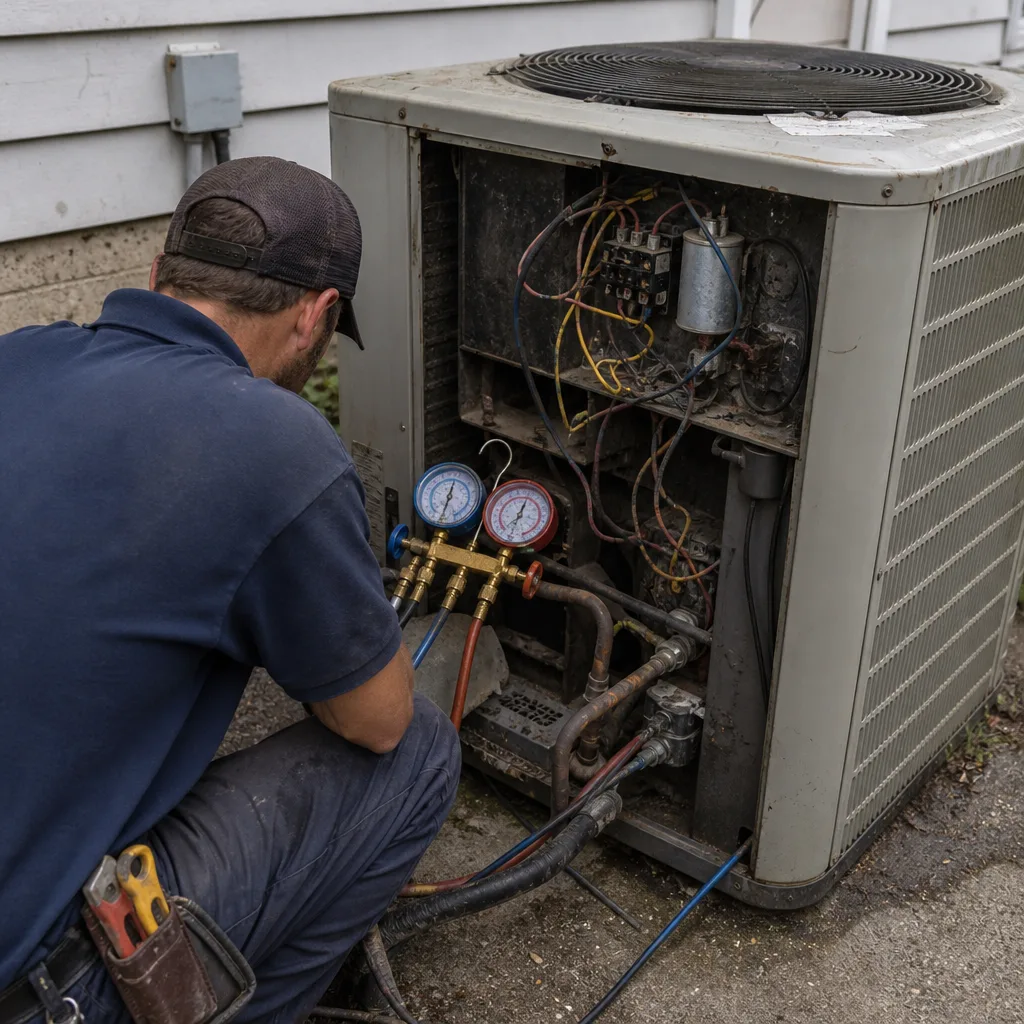 Before
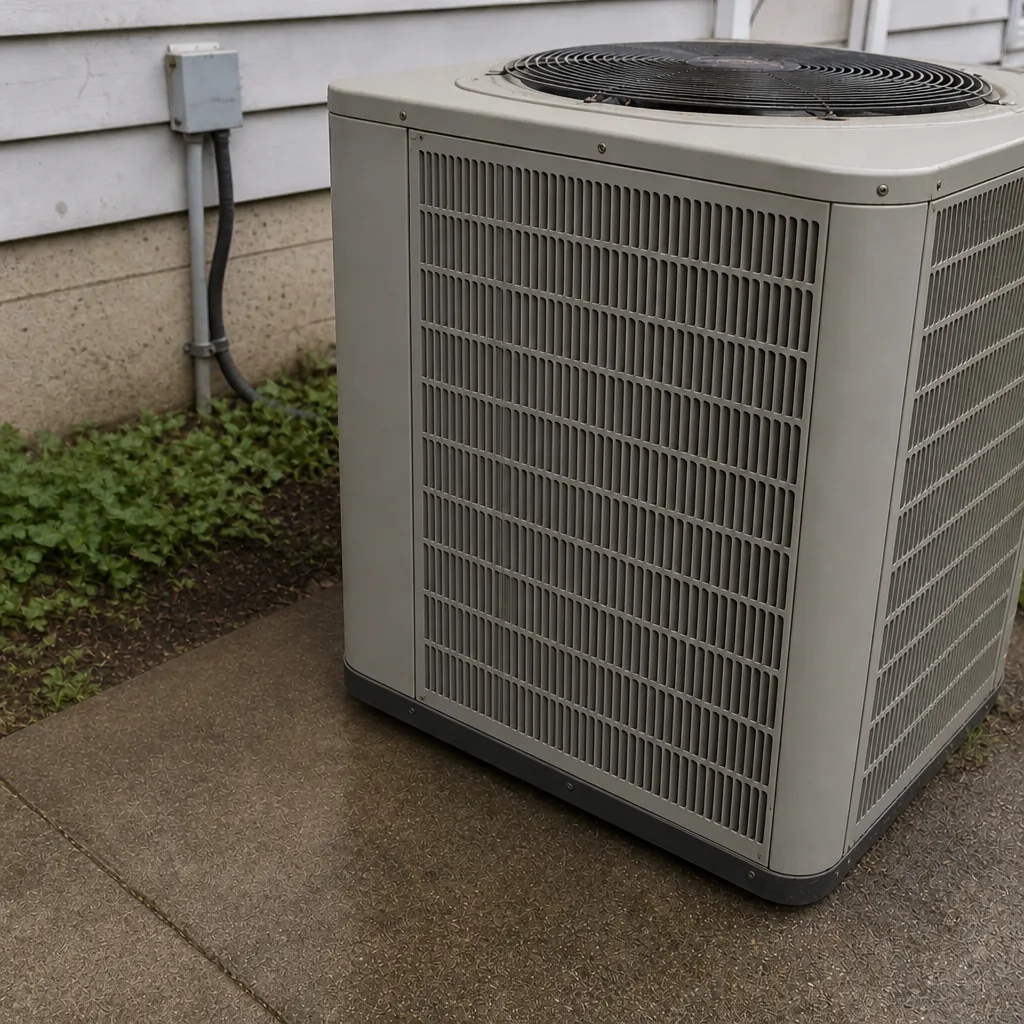 After
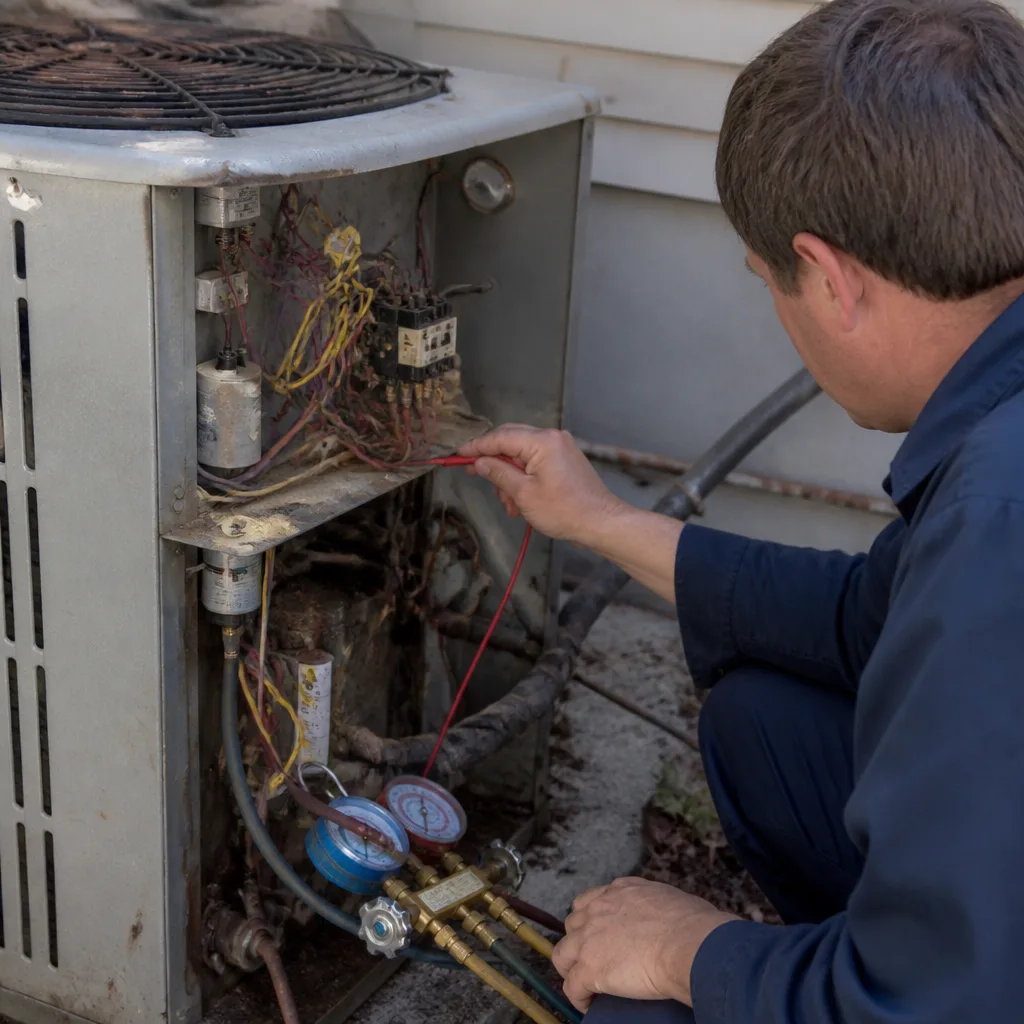 Before
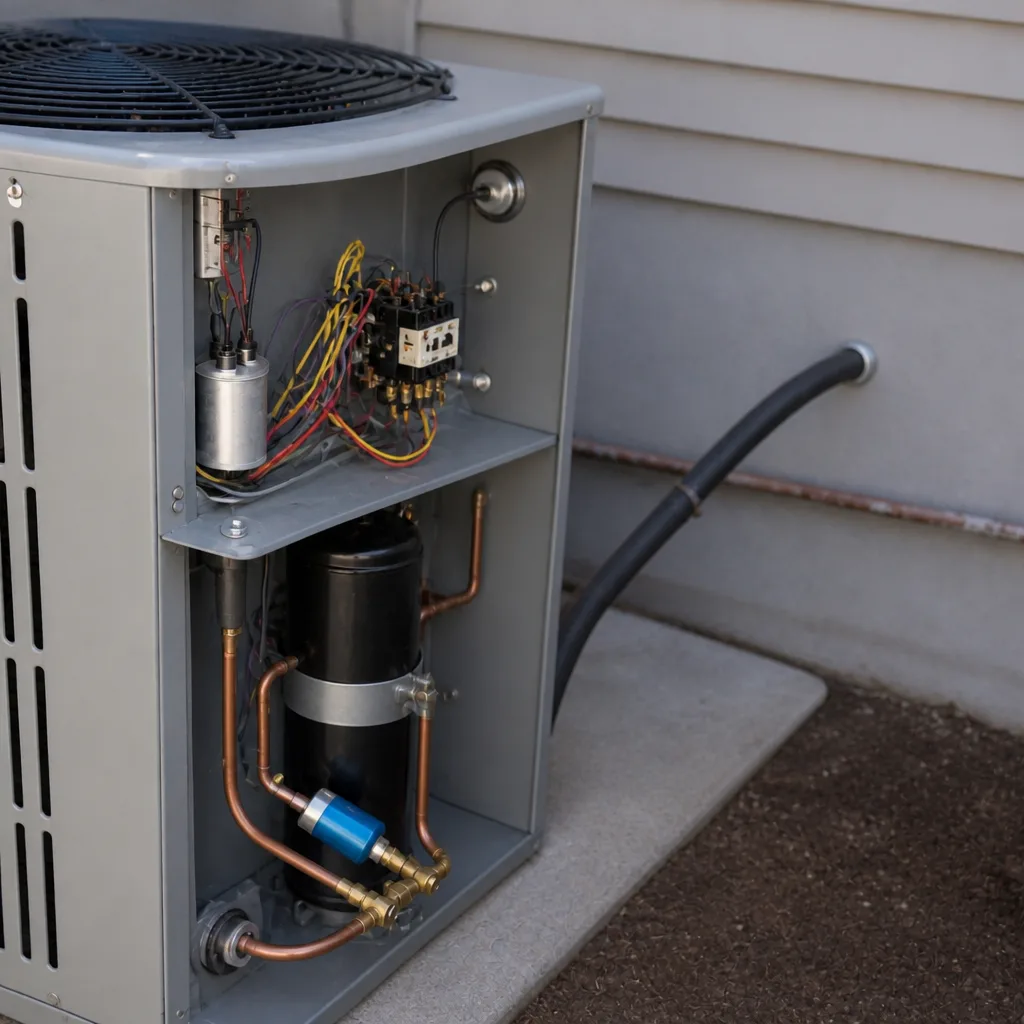 After
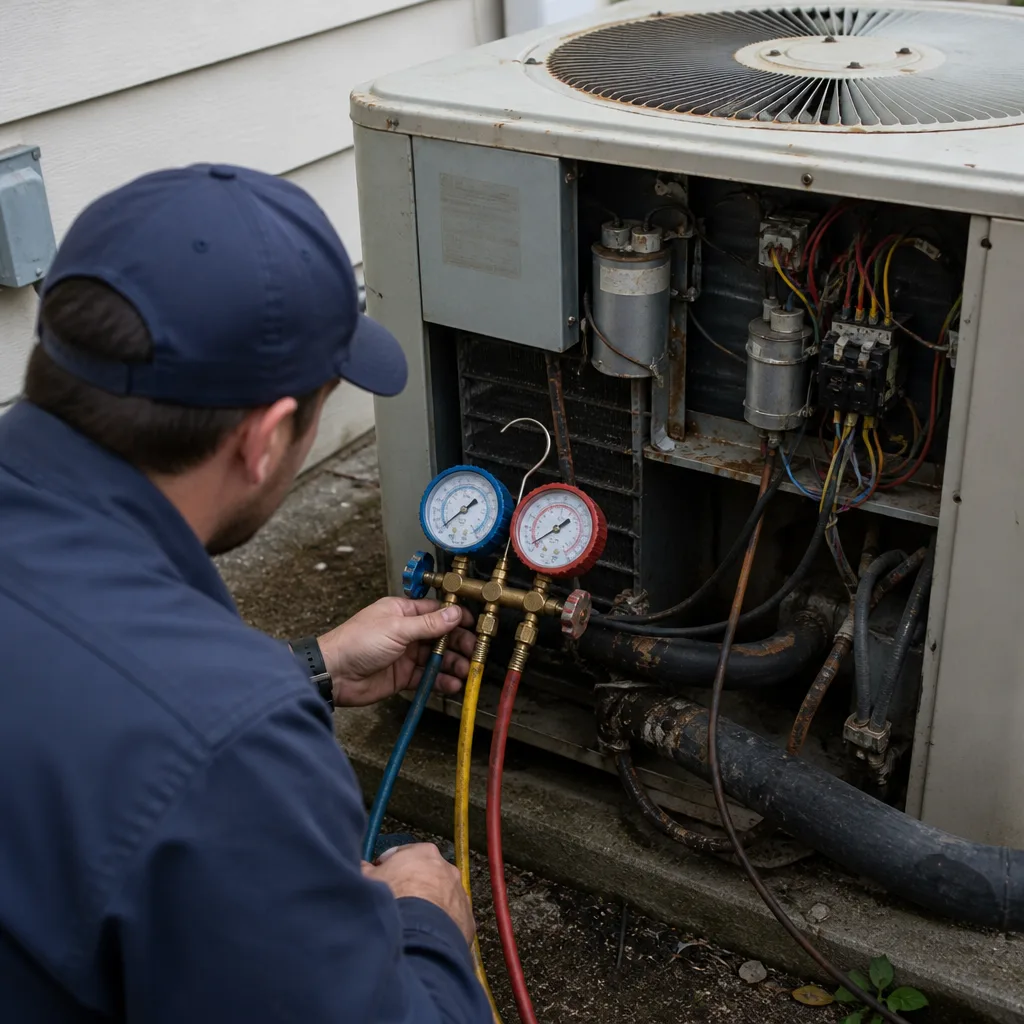 Before
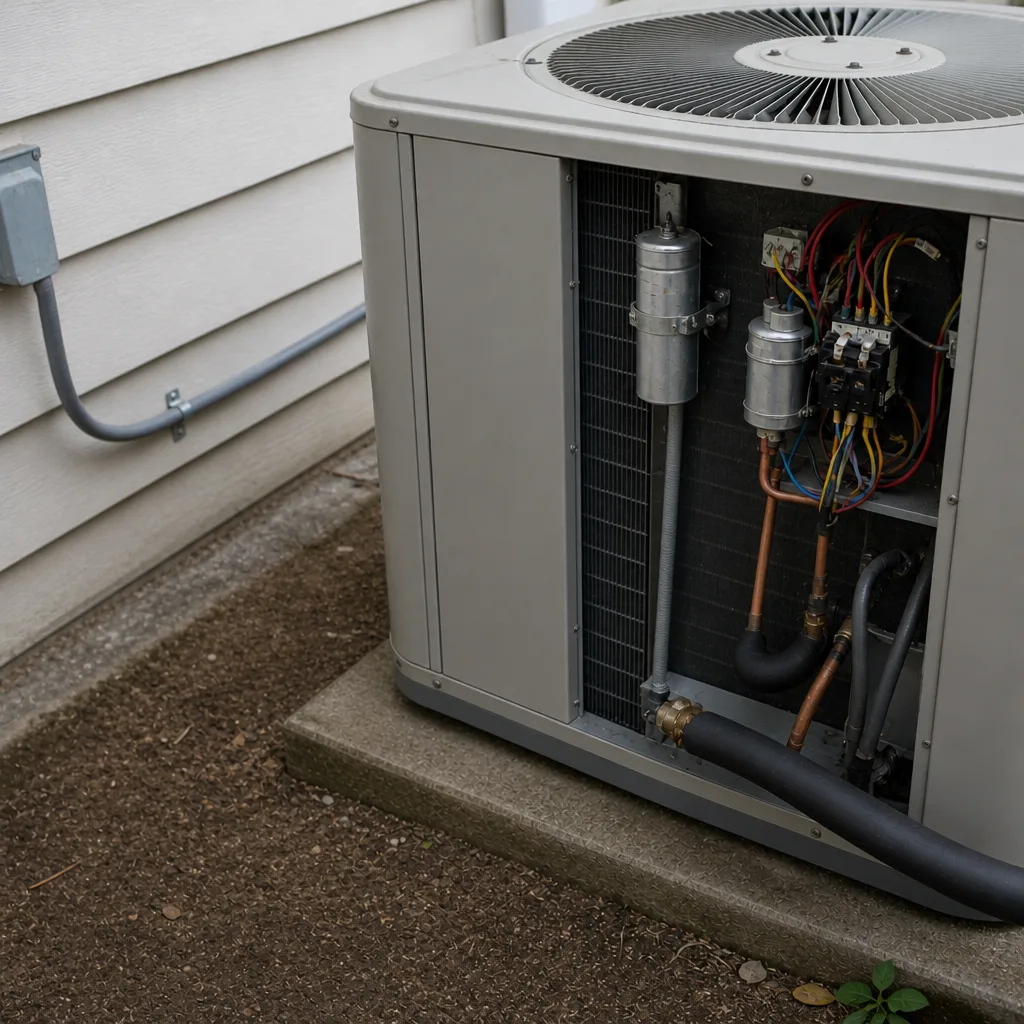 After
When to Call a Professional
Any time the equipment isn’t keeping up with the weather, it’s worth having a trained technician look at it. That includes a system blowing warm air on a hot day, unusual sounds or smells, a condenser that keeps tripping the breaker, or a furnace that won’t fire in winter. If you’re considering a replacement, a professional assessment gives you the size, efficiency tier, and brand fit your home actually needs. Brand research is useful, but a load calculation and a written fixed price are what turn the research into a decision. And if your existing system needs service, the fastest path is to bring someone out before the problem gets bigger. AC Repair Provo offers free estimates in Provo. Call (855) 657-5471.
Frequently Asked Questions
For most Provo homes, the best brand is one with strong local parts availability and good service support, which typically means Carrier, Trane, Lennox, or Goodman. These brands have the widest residential distribution presence in the Utah County supply chain, so repairs get handled faster. Choose the brand first for serviceability, then compare SEER2 and features within that group.
Yes, for most households. Provo’s summers are long and hot, so cooling efficiency drives the bulk of the annual operating cost. With gas heat, heating efficiency is a furnace spec, not an AC spec. A homeowner buying an AC should focus their comparison on SEER2 and correct sizing.
Usually not. The savings from high-efficiency equipment accrue over the equipment’s lifespan, and that payback period typically outlasts a short ownership window. Buyers also tend not to pay a premium for efficiency ratings they can’t easily verify. A mid-tier unit with reliable local parts is usually the better financial decision in that situation.
It means they understand that specific manufacturer’s diagnostic codes, common failure points, and which components are shared across the product line. That knowledge shortens diagnosis and prevents wrong-part ordering. Generic fluency applies HVAC principles to unfamiliar equipment, which takes longer and can mean more visits.
No. A load calculation based on the home’s actual characteristics is the foundation of a correct install. Size-by-rule-of-thumb can oversize the system, which causes short-cycling, early wear, and reduced efficiency. Ask to see the calculation before signing anything.
Confirm what the warranty covers, who performs covered repairs, whether labor is included, whether it transfers if you sell the home, and whether any maintenance requirements can void it. Then ask how warranty parts typically get sourced. A warranty is only as strong as the contractor backing it and their access to local parts.
The Bottom Line
Brand selection in Provo is a serviceability question first. Choose a brand with real local parts support, get a load calculation, match the efficiency tier to how long you’ll own the home, and check warranty service sourcing before you sign. Carrier, Trane, Lennox, and Goodman all offer reliable options with the parts presence to keep them running. A higher SEER2 unit in a properly sized system will outperform a premium unit installed poorly. When you’re ready to compare systems or get an estimate, call (855) 657-5471. We answer 24/7, with fast dispatch from 7am to 7pm, Sunday through Friday. Estimates are free.
Written by the team at AC Repair Provo, serving Provo since 2013.