
Last updated November 14, 2026
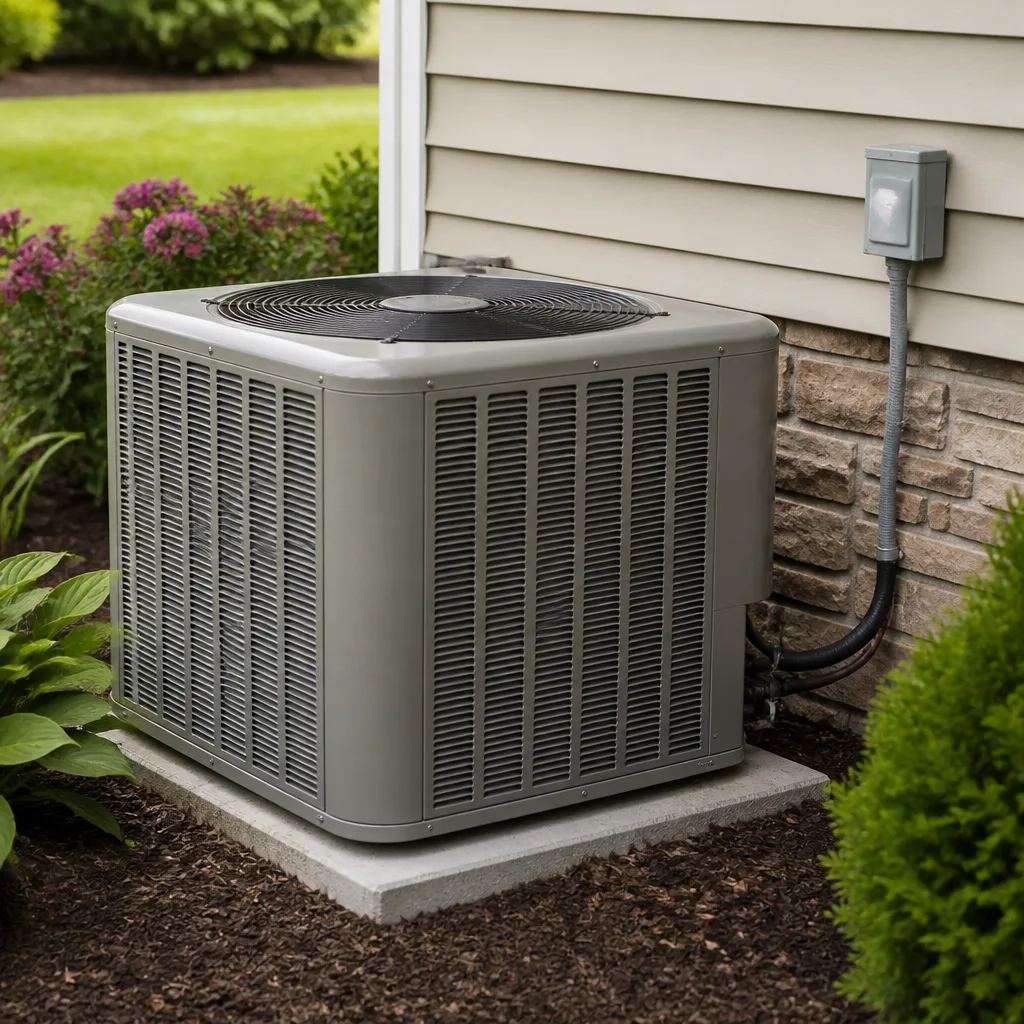 AC repair
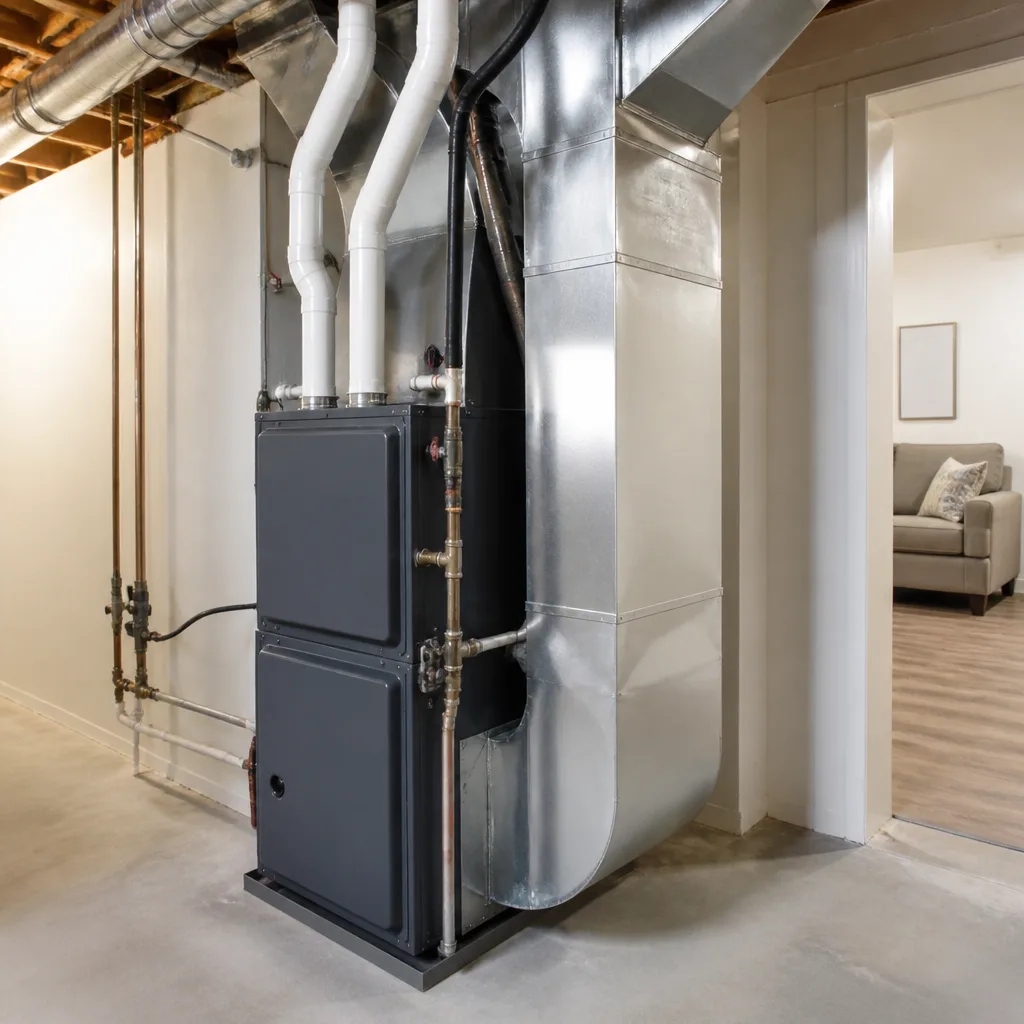 Furnace & heating
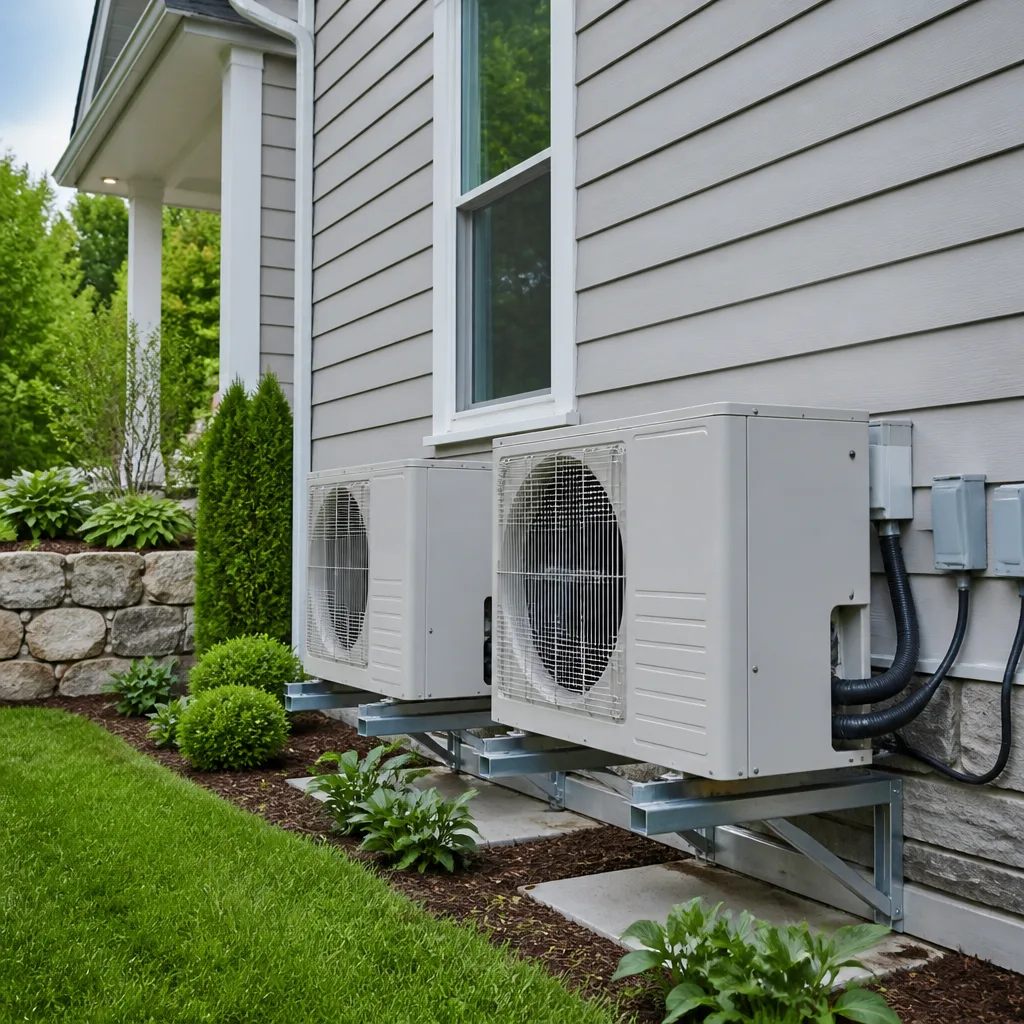 Heat pumps
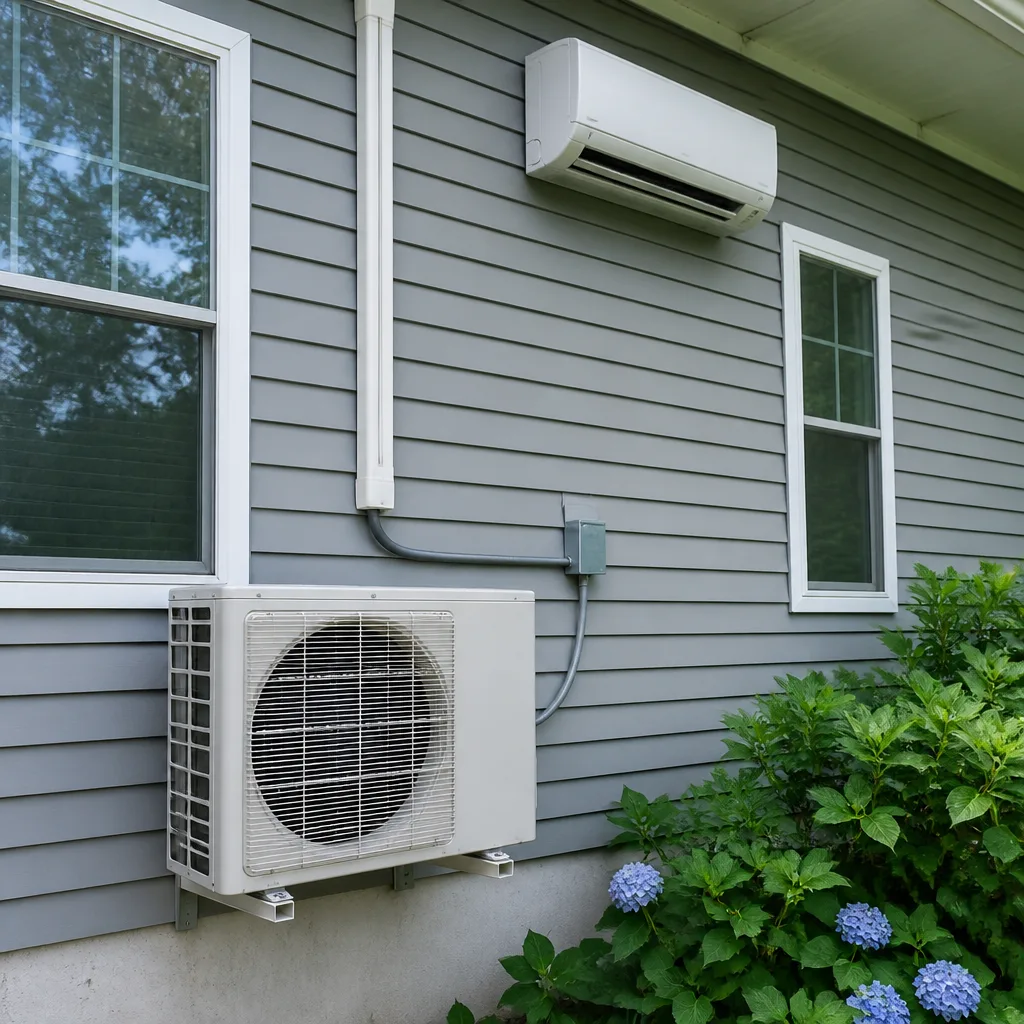 Ductless mini splits
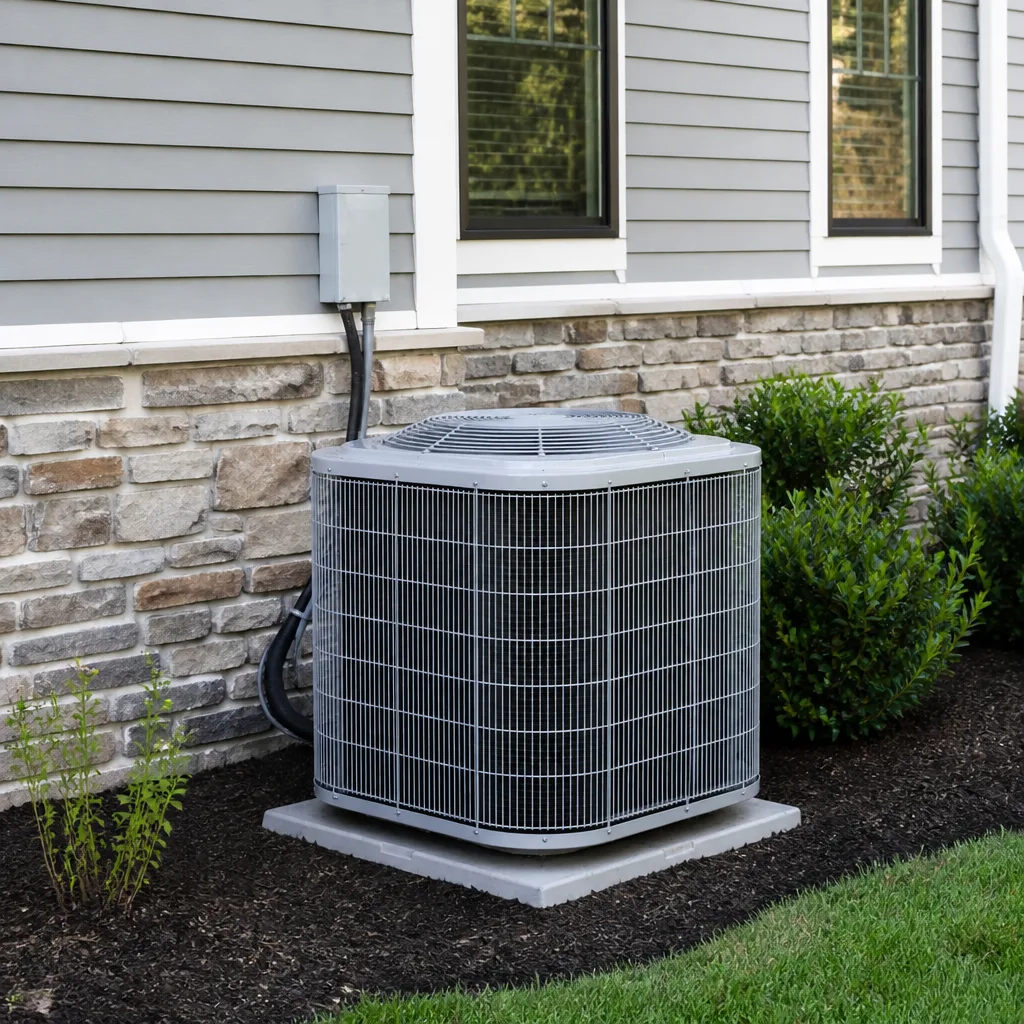 Carrier
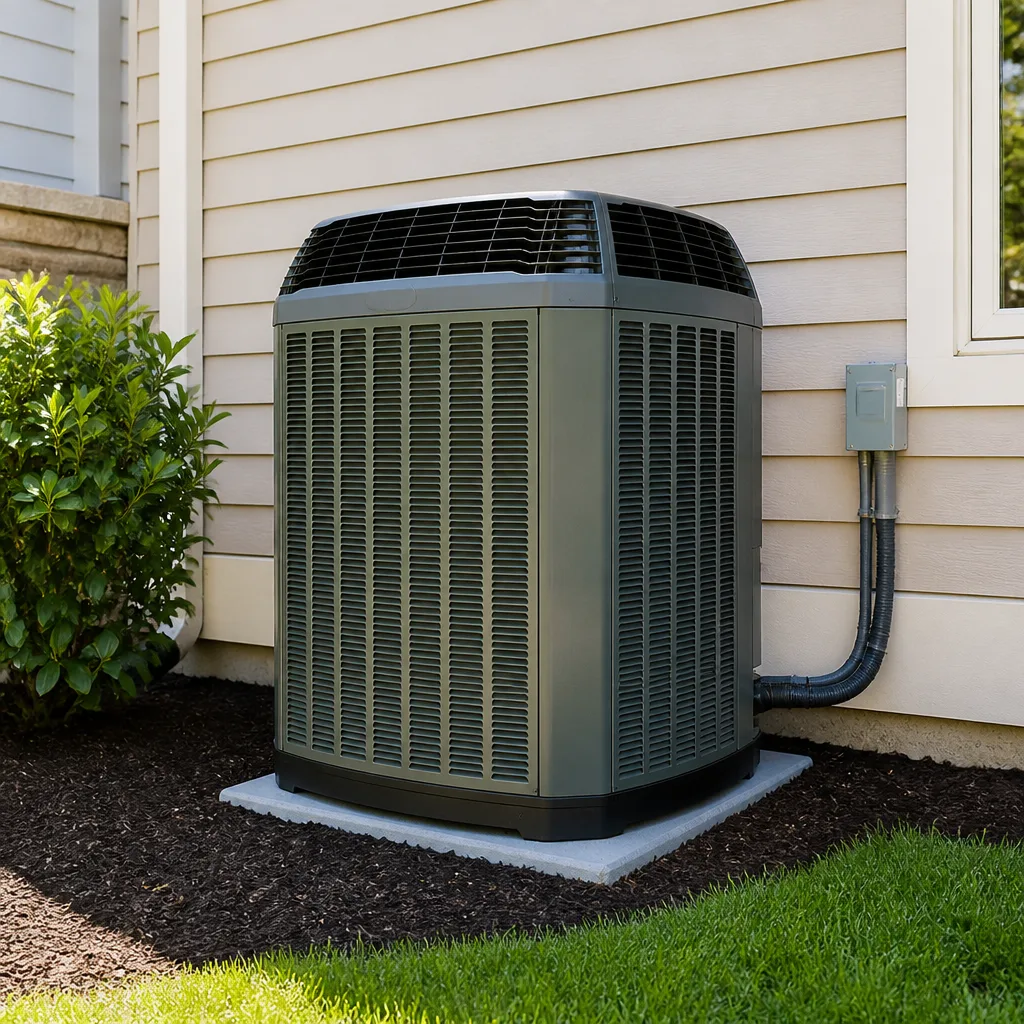 Trane
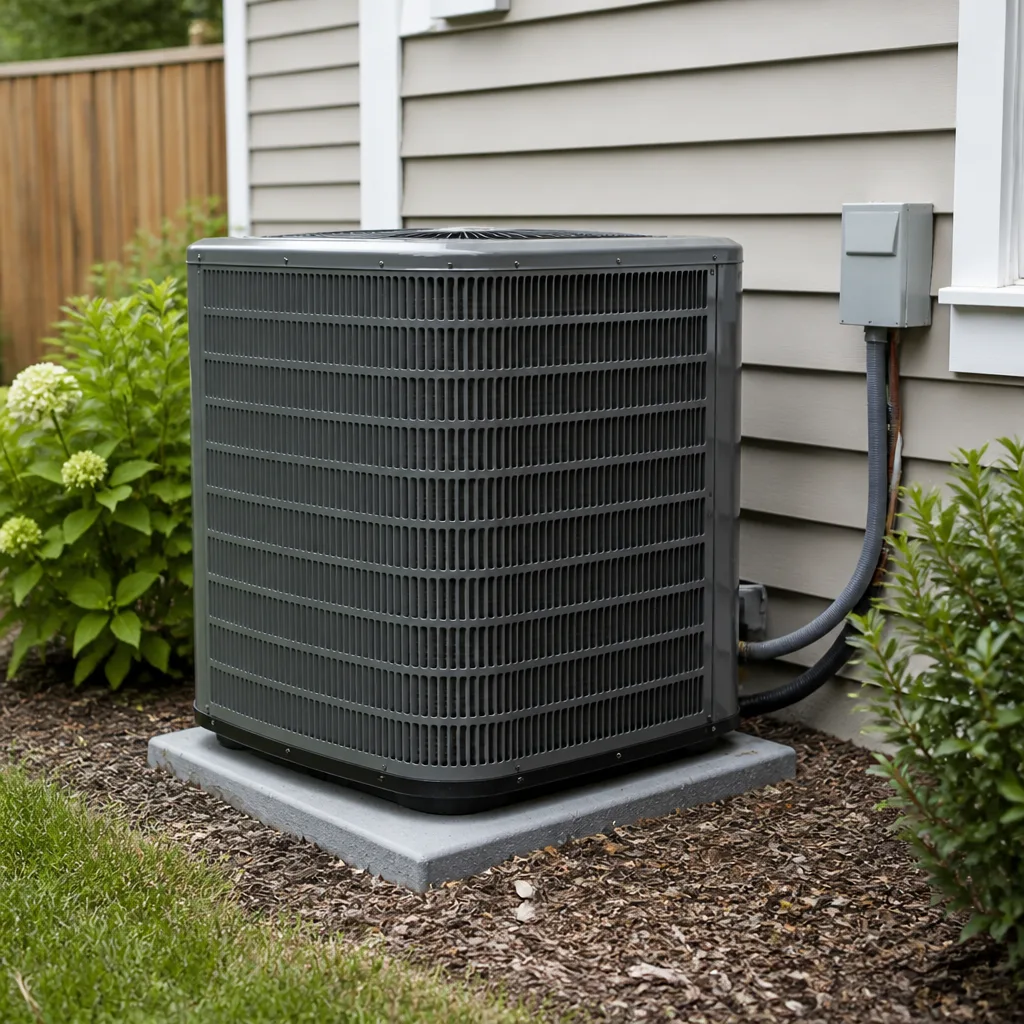 Goodman
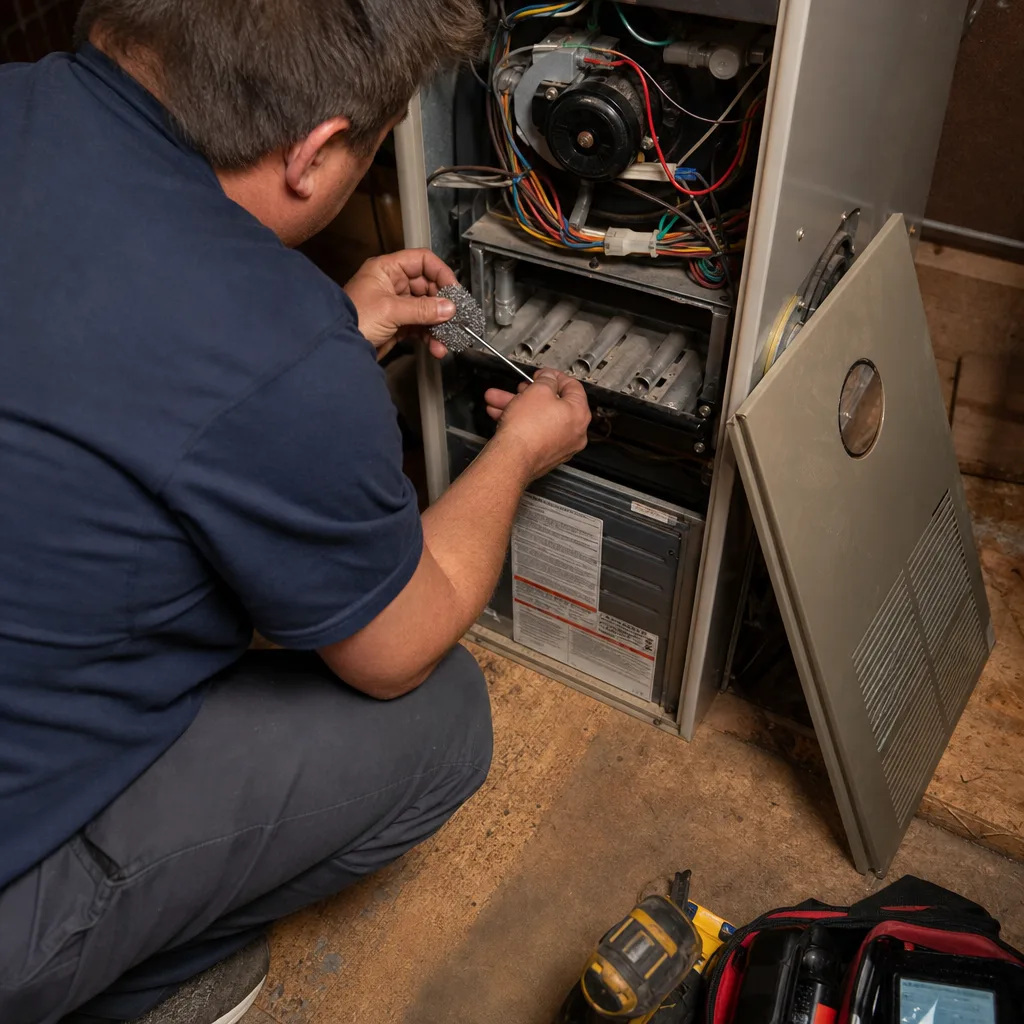
Seasonal tune-up and full diagnostic on your Carrier, Trane, or Goodman system - readings shown to you before any repair is proposed
Diagnosis first, numbers second - you approve the repair price before a single part goes in.
Get your free estimateAC Repair Troubleshooting in Provo: Common Problems and How to Fix Them
Here’s the part of AC diagnostics that surprises people: many compressors diagnosed as “dead” are still perfectly healthy. A compressor has internal high-pressure cutouts and thermal overloads that trip when it runs too hot or too hard, then reset themselves once it cools. A tripped safety switch looks exactly like a failed compressor to an untrained eye, and it costs nothing to test. Replace the wrong part and you’ve paid for a compressor you didn’t need. This guide walks through the diagnostic chain a technician actually follows, grouped by symptom, so you can observe your own system accurately, rule out the safe-to-check items, and know when to pick up the phone. If you’re chasing an AC repair in Provo this summer, knowing what to report saves everyone time.
Quick Answer
Most AC problems in Provo trace back to one of four categories: airflow restriction, refrigerant charge issues, an electrical component failure like a capacitor, or a tripped safety switch. Homeowners can safely check the air filter, thermostat batteries and settings, the outdoor disconnect, and the breaker panel. Anything involving refrigerant, the compressor, capacitors, wiring, or a frozen coil needs a licensed technician. Call (855) 657-5471. We answer 24/7. Fast dispatch from 7am to 7pm, Sunday through Friday.
Styles & brands we work with
- AC repair
- Furnace & heating
- Heat pumps
- Ductless mini splits
- Carrier
- Trane
- Goodman
Table of Contents
- A Diagnostic Framework Built Around Symptoms
- Symptom One: No Power, No Sound
- Symptom Two: Runs But Doesn’t Cool
- Symptom Three: Cools But Cycles Too Fast
- Symptom Four: Makes Noise
- Using the Temperature Differential to Narrow the Problem
- Provo-Specific Causes: July Capacitors and Spring Coil Freeze
- What to Have Ready Before You Call
A Diagnostic Framework Built Around Symptoms
Troubleshooting an air conditioner isn’t about guessing at parts. It’s a sequence. A technician starts with the cheapest, fastest check and works toward the more expensive and unlikely causes. You can follow the same logic to figure out what’s worth checking yourself and what needs a call.
Every problem falls into one of four symptom families:
- No power, no sound. The system won’t start at all.
- Runs but doesn’t cool. The fan blows, the air is warm or room temperature.
- Cools but cycles too fast. Cold air, but the system starts and stops constantly.
- Makes noise. Everything works, but something sounds wrong.
Each family has its own shortlist of likely causes. What matters is checking them in order rather than jumping to the worst-case scenario. In our experience around Provo, the majority of calls start with a symptom that has already been interpreted the wrong way – a system blowing warm air is read as “low refrigerant” when the actual problem is a clogged filter or a fan that isn’t turning.
The goal of this framework isn’t to turn you into an HVAC technician. It’s to help you hand over the right details so a service call turns into a diagnosis instead of an hour of guesswork.
Symptom One: No Power, No Sound
When nothing happens at all – no fan, no hum, no response to the thermostat – start with the electrical supply. This is the one category where you can safely check a few things yourself.
What you can check
- The thermostat. Confirm it’s set to COOL, the setpoint is below room temperature, and the batteries aren’t dead. A thermostat with no power can’t call for cooling.
- The breaker panel. Find the breaker that feeds the air handler (usually a normal single-pole) and the one feeding the outdoor condenser (often a double-pole or a separate disconnect nearby). If either is tripped, reset it once. If it trips again, stop – that means something is wrong downstream and a technician needs to trace it.
- The outdoor disconnect. Most condensers have a pull-out block or a small switch at the exterior unit. Make sure it’s seated. This is a common slip during landscaping or service work on the house.
- The float switch. If your indoor unit has a condensate float switch, a full drain pan will cut power to the system as a safety measure. Check whether the pan under the air handler has standing water.
What requires a technician
A system that has power at the panel and the disconnect but won’t start is pointing at a failed capacitor, a bad contactor, a broken wire, or a control board. Testing those requires a multimeter and the training to read capacitor ratings against the nameplate. Do not poke around inside the electrical compartment. Capacitors store a charge even after power is cut, and the wrong approach can hurt you. This is a job for a licensed tech.
Symptom Two: Runs But Doesn’t Cool
The fan blows and the house stays warm. This is the most misdiagnosed symptom in the trade, and the one where a homeowner’s own observations make the biggest difference.
Start with the simplest explanation
- Airflow restriction. A dirty filter, blocked return grille, or closed supply register in a key room can cut cooling capacity without any mechanical problem. Most Provo homes have the return pulling through a single filter slot, so a filter that looks gray is already too far gone. Check it and replace if it’s dark.
- The outdoor unit isn’t running. If the indoor fan blows but the condenser outside is silent, the thermostat is calling for cooling but the outdoor unit isn’t responding. That’s a capacitor, contactor, or control board issue – or the outdoor disconnect. None of these are homeowner repairs.
- Frozen evaporator coil. If the copper lines entering the indoor unit are coated in frost or the coil cabinet has ice on it, stop running the system. Turn it off at the thermostat and let it thaw. Frozen coils can come from a refrigerant charge issue, restricted airflow, or cold outdoor temperatures during a spring changeover.
- Warm air from the registers without a frozen coil. That points toward a refrigerant problem. Refrigerant isn’t consumed the way fuel is – a low charge means there’s a leak somewhere. Topping off without locating the leak treats a symptom, not the problem.
Here’s where the compressor misconception comes back. A condenser that hums for a few seconds, goes quiet, then tries again a minute later is often cycling on its internal overload. That could be a start capacitor failure, a locked rotor from low charge, or a high-pressure cutout that trips in extreme heat and resets when the unit cools. A quick multimeter check on the capacitor and a current reading on the compressor tells a technician which of these it is. None of that is a compressor replacement. Anyone who skips those tests and jumps straight to a compressor quote hasn’t finished diagnosing.
Coil freeze-over in Provo homes is worth flagging separately, because our spring nights still dip into the 40s while the afternoons hit the 70s. Running the AC in that range can freeze a coil faster than many homeowners expect. If the system was recently started for the season and the coil is iced, the outdoor temperature is a real contributor.
Symptom Three: Cools But Cycles Too Fast
The house gets cool, then the system shuts off, then it comes back on a few minutes later. Short cycling wears out components and drives up the electric bill. It has four common causes.
- Thermostat placement. A thermostat near a supply register, a lamp, or afternoon sun reads the wrong temperature and cuts the system short. Relocating a thermostat is straightforward.
- An oversized system. If the AC was replaced without a load calculation, it may be too big for the ductwork and the home. A system that cools the house too fast doesn’t run long enough to pull humidity out, so the house feels cool and clammy at the same time. That’s a sizing problem, and it shows up as short cycles rather than any single failed part.
- A failing capacitor or contactor. Sometimes the “cycle” is actually the compressor tripping on its overload and trying to restart. That looks like short cycling but is really a component problem.
- Refrigerant overcharge or undercharge. Both can cause the system to cycle on pressure switches. This requires gauges and a technician.
Provo’s summer afternoons regularly hit the high 90s, and the load on your system is highest right when the heat pushes it hardest. If a system keeps up fine in the morning and short cycles in the afternoon, that’s a symptom worth reporting exactly that way.
Symptom Four: Makes Noise
The system cools fine but something sounds off. Each noise points to a different part.
- Buzzing at the outdoor unit. A failing contactor, a loose wire, or a bad capacitor. Not a homeowner repair.
- Clicking that repeats. The system trying and failing to start. Turn it off at the thermostat and call – repeated attempts stress the compressor.
- Squealing or screeching. A blower motor bearing or belt. The indoor blower on most residential units is direct-drive, so a squeal usually means the motor is on its way out.
- Rattling or vibrating. Loose panels, a fan blade out of balance, or debris in the condenser. A panel you can safely reseat yourself; a bent fan blade you can’t.
- Hissing at the indoor coil. A refrigerant leak is venting. Turn the system off and call – this is one noise you don’t want to ignore.
A loud system doesn’t always mean a broken one. A Rheem or York condenser that roars on a humid July afternoon is louder than the same unit running on a dry spring day. But a noise that started suddenly and doesn’t go away is worth having checked before it becomes a bigger repair.
Using the Temperature Differential to Narrow the Problem
This is the single most useful diagnostic reading a homeowner can gather. It’s also the one most people skip.
The temperature differential, or delta T, is the difference between the air going into your return and the air coming out of a supply register. To measure it:
- Let the system run for at least 15 minutes so it stabilizes.
- Use a digital thermometer (a kitchen probe thermometer works) and hold it in the return airflow near the filter grille for 5 minutes. Note the temperature.
- Move it to a supply register in a central room – not one right next to the return – and hold it there for 5 minutes. Note that temperature.
- Subtract the supply temperature from the return temperature. The difference is your delta T.
Most residential systems in normal conditions show a differential in the high teens to low 20s Fahrenheit. Where your number lands tells you which category of problem you’re facing:
- Differential in the normal range but the house is still warm. The system is cooling the air it sees, but something is off with the house as a whole. Leaky ducts, an undersized system, a home that’s gained heat load from an addition, or attic insulation that’s lost its effectiveness.
- Differential low – warm air out of the vents. Points toward a refrigerant charge problem, a compressor not running, or a serious airflow restriction. Refrigerant and compressor checks need a technician.
- Differential very high or the coil icing up. Points toward restricted airflow – a clogged filter, blocked return, or closed registers – or a low refrigerant charge causing the coil to freeze.
Walking into a Provo home with a measured differential in hand changes the conversation. Instead of “my AC isn’t working,” you can say “the return is 76 and the supply is 74, and the coil cabinet is iced up.” That’s the difference between a diagnosis and guesswork, and it helps a technician bring the right parts on a first visit for your AC installation assessment or repair.
Provo-Specific Causes: July Capacitors and Spring Coil Freeze
Two patterns show up in the Provo valley more than most generic guides mention.
Capacitor failure in the July heat
Run capacitors in the condenser are electrolytic and lose capacity as they age. They also degrade faster in sustained heat. A condenser sitting in the afternoon sun on a Provo roof or against a south-facing wall sees internal temperatures well past the ambient air temperature, and that shortens the capacitor’s life. When the capacitor drops below its rated microfarad value, the compressor and fan motor can’t start reliably. The system hums, clicks off, and repeats. That’s the moment a homeowner is most likely to be told they need a new compressor.
The correct check is a capacitance reading against the nameplate rating. If the capacitor is out of spec, it gets replaced and the compressor gets tested again. A start capacitor and a proper diagnosis cost a fraction of a compressor. Any quote that skips the capacitor test isn’t finished.
Coil freeze from running AC too early in the season
Provo’s spring swings hard. Afternoon highs in the 70s, overnight lows in the 40s. If a homeowner starts the AC in April or May and lets it run through a cool night, the evaporator coil gets colder than the air passing over it can supply, and it frosts over. The system then blows weak air and the indoor coil cabinet shows ice. The fix is often turning the system off, letting it thaw fully, and checking the filter – not a refrigerant repair. But if the coil freezes again on a warm afternoon, the charge needs testing.
Provo sits at higher elevation than most of the country, and the dry air means the system has to work differently than in humid climates. Dry air means less condensate to drain and less latent cooling load, so an oversized system’s short cycling shows up mainly as temperature swings rather than clammy air. That’s a useful detail for a load calculation when a replacement is on the table. If you’re comparing options for a new system, our local service area page explains how we approach homes in and around Provo.
What to Have Ready Before You Call
The difference between a 15-minute diagnosis call and a full hour of on-site investigation is usually a five-minute household check. Have these ready before you dial.
- The system brand and model. Look on the outdoor condenser nameplate for make and model. We service Carrier, Trane, Lennox, Goodman, Rheem, York, Daikin, Bryant, and American Standard, so brand-specific knowledge is already in play. Knowing whether it’s a Bryant or a Daikin changes which service bulletins and part numbers a technician pulls.
- Age of the system. If you have the install date, that helps a tech decide whether to test a part or replace it. If you don’t, the serial number date code tells them.
- The symptom, described precisely. “Runs but doesn’t cool” versus “cools but the coil cabinet ices” versus “hums then clicks off after 30 seconds.” The more specific, the faster the diagnosis.
- Your temperature differential reading. Return and supply temperatures as described above.
- What you’ve already checked. Filter, breaker, thermostat batteries, outdoor disconnect. Saves time on the basics.
- Whether the breaker has tripped more than once. A breaker that trips, resets, then trips again under load is a symptom on its own.
- The approximate square footage of the house and any recent changes. An addition, new windows, or a finished basement shifts the load and helps the tech understand the picture.
With those details ready, a diagnostic visit typically takes far less time. And if a part turns out to be the wrong one for the situation, that 15 minutes of preparation is what kept the quote honest.
Common Mistakes to Avoid
- Replacing the filter more often instead of thinking through the symptom. A clean filter solves a surprising number of calls, but if you’ve changed it and the system still blows warm, keep diagnosing. Filter changes don’t fix refrigerant problems.
- Topping off refrigerant without finding the leak. Refrigerant isn’t consumed like fuel – if it’s low, it’s leaking, and topping it off without locating the source just delays the same call. Any tech who charges a system without leak testing hasn’t finished the job.
- Running the system with a frozen coil. Ice on the indoor coil or the lines entering the cabinet means stop. Running it iced stresses the compressor for no cooling gain.
- Resetting a tripped breaker more than once. A breaker that trips twice under load is telling you something is wrong. Resetting it repeatedly risks the compressor and the wiring.
- Accepting a compressor quote without a capacitor test and current reading. High-pressure cutouts and start capacitor failures masquerade as dead compressors. Ask what was tested.
- Assuming a louder system means it’s failing. Provo’s dry summer heat and the system’s own load can make a healthy condenser louder than in April. A noise that changes suddenly matters more than a noise that was always there.
- Skipping the load calculation when replacing. A new AC sized by rule of thumb rather than a proper load calculation is the fastest route to short cycling and humidity problems. An AC replacement needs the math behind it.
See the difference
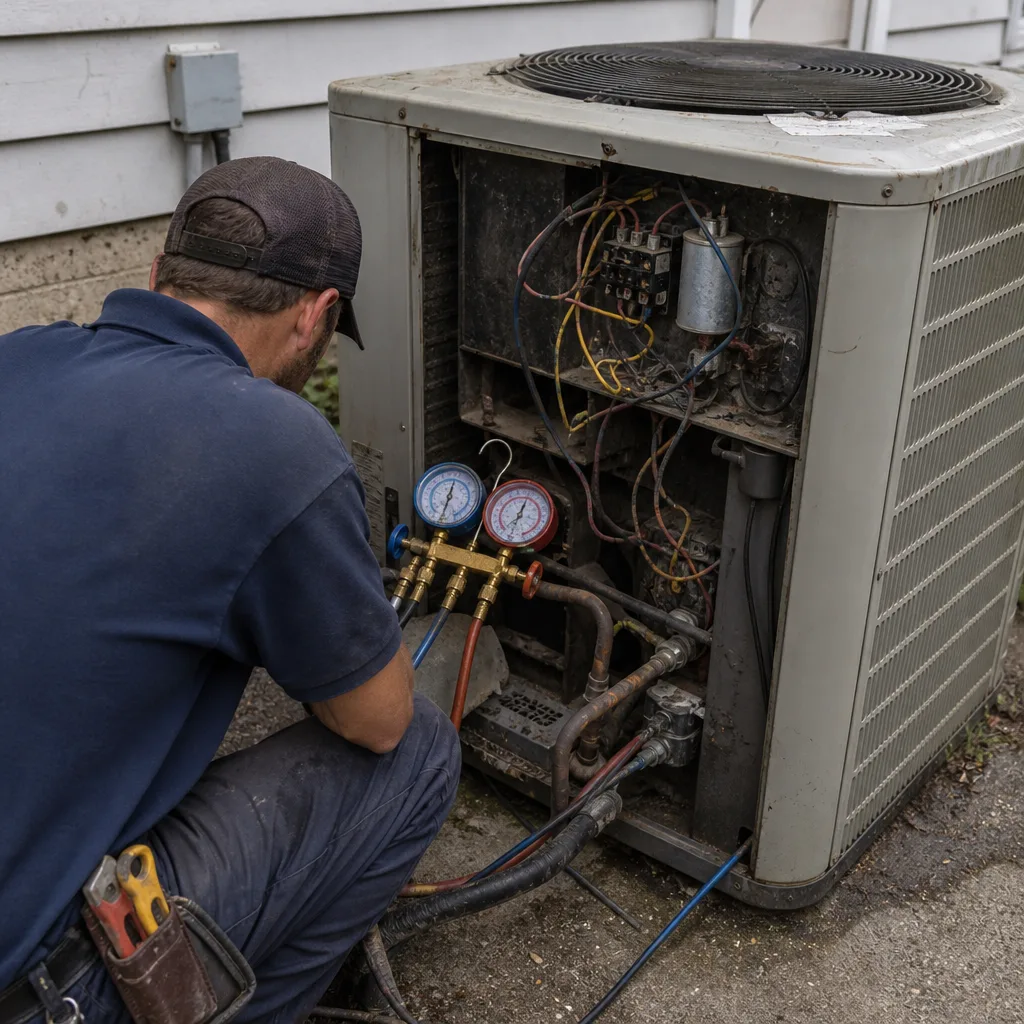 Before
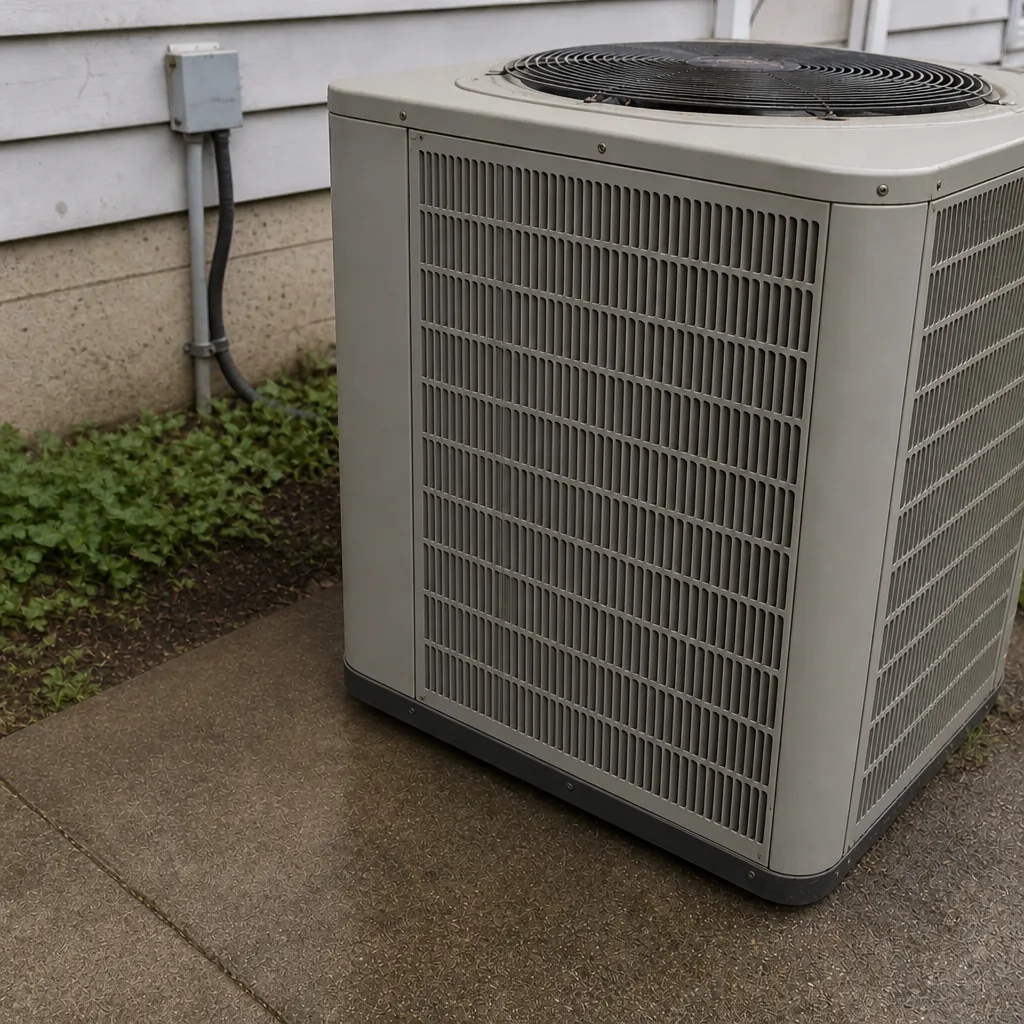 After
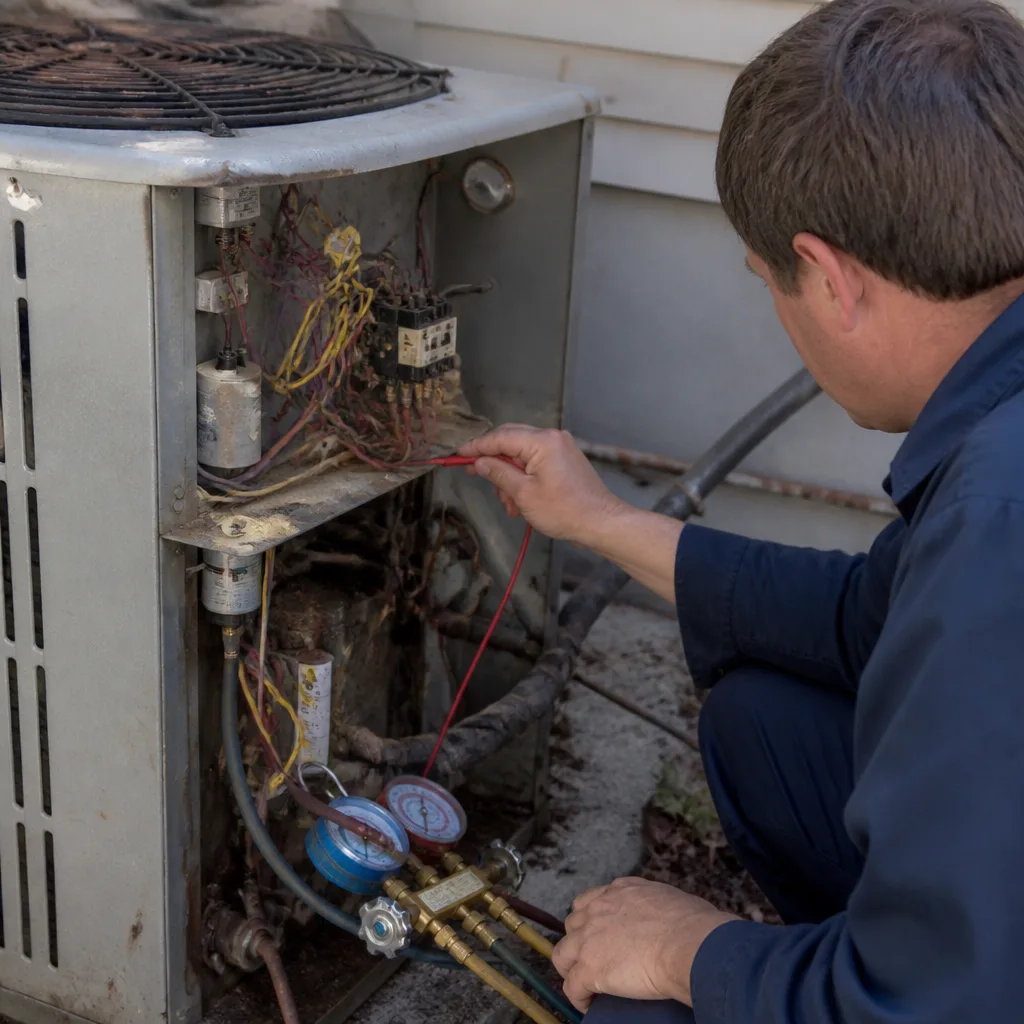 Before
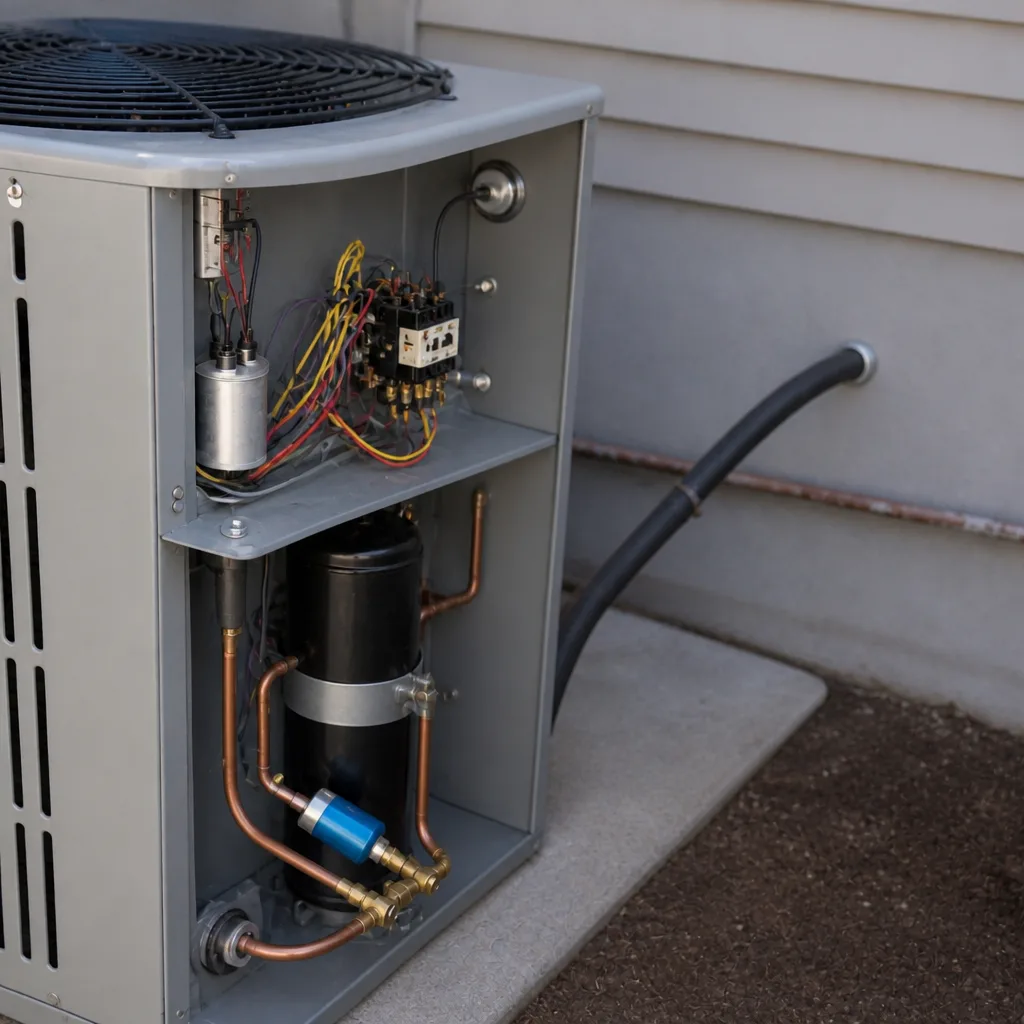 After
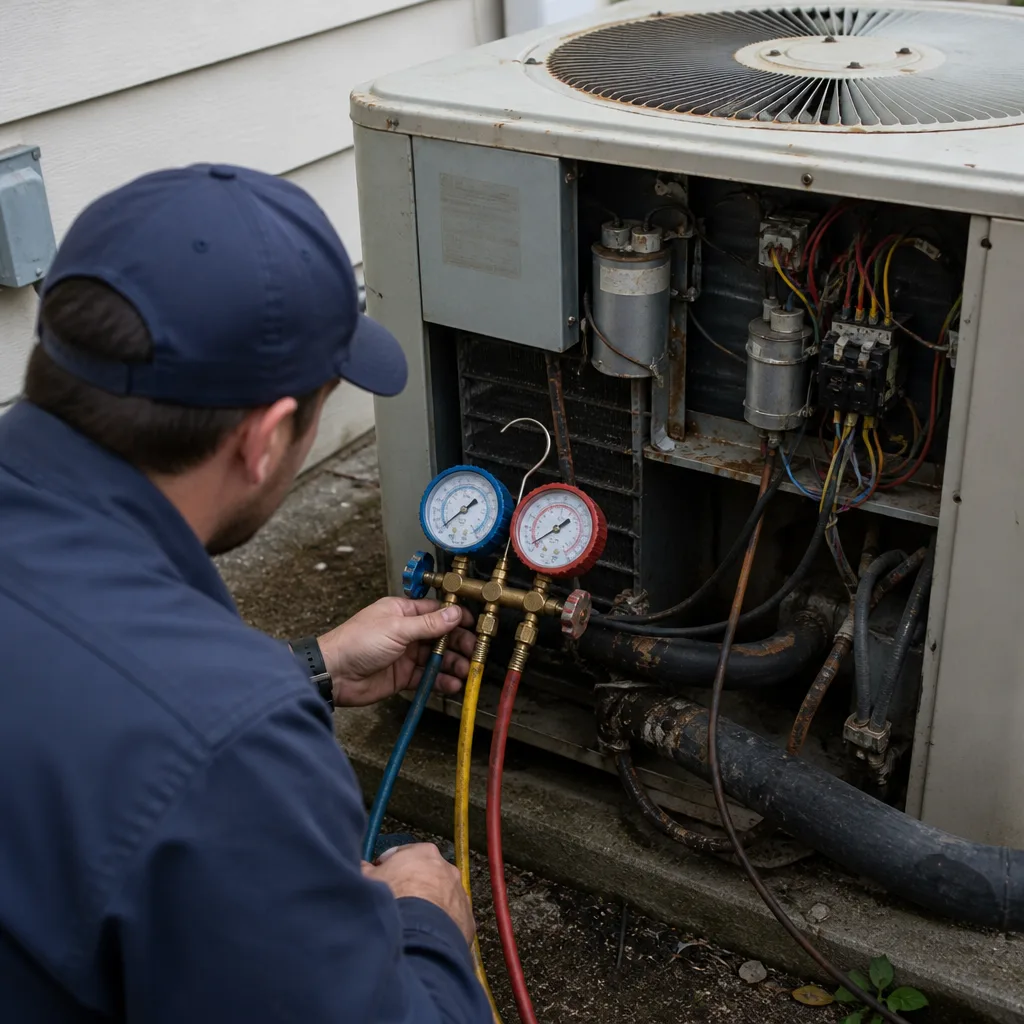 Before
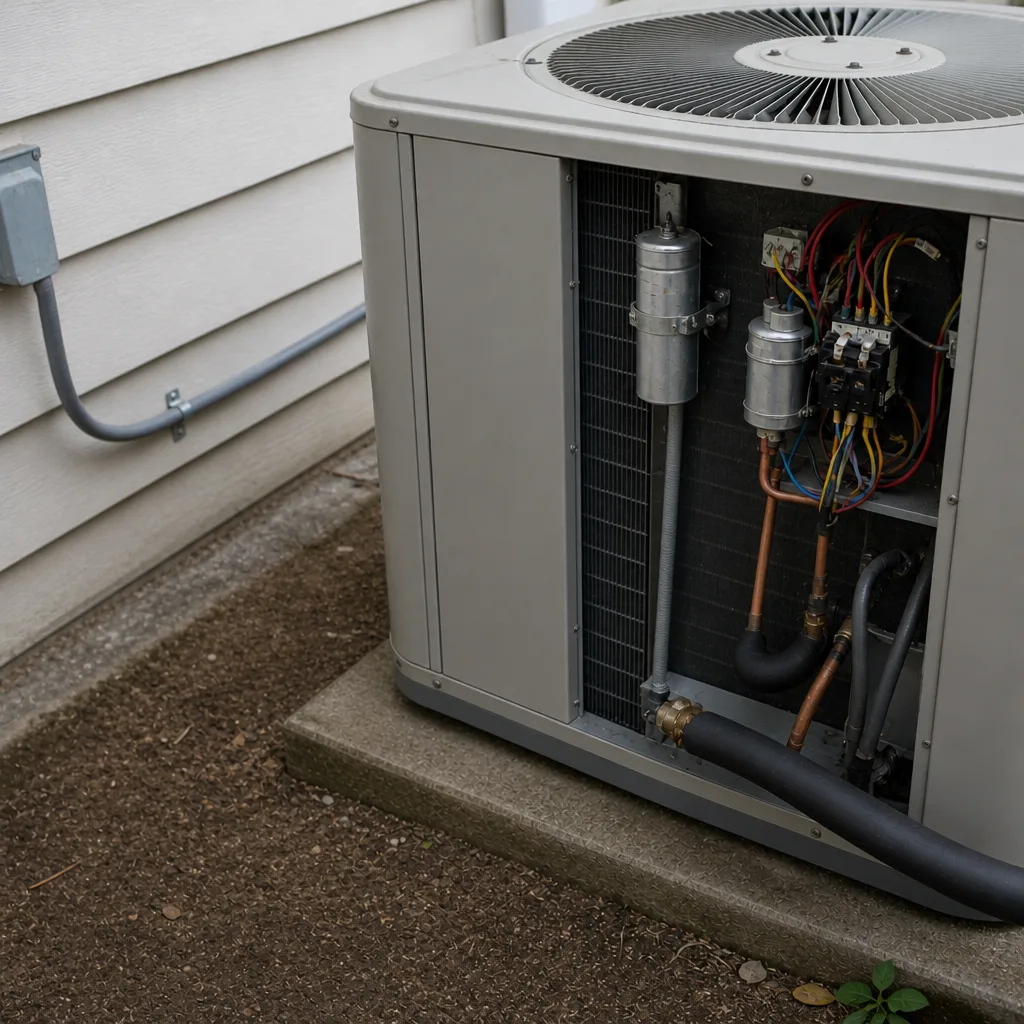 After
When to Call a Professional
Call a technician if any of the following applies:
- The outdoor unit won’t start after you’ve checked the breaker and the disconnect.
- The breaker trips more than once.
- The indoor coil or the refrigerant lines are iced over and don’t clear after a full thaw.
- The vents blow warm air with no obvious airflow restriction.
- You hear hissing, repeated clicking, or a squeal that doesn’t go away.
- You smell burning at the indoor or outdoor unit.
- The system short cycles after you’ve verified the thermostat is well-placed and the filter is clean.
Capacitors, compressors, refrigerant, and control boards are not homeowner parts. Testing them needs a meter and training. AC Repair Provo offers free estimates in Provo – call (855) 657-5471. We answer 24/7. Fast dispatch from 7am to 7pm, Sunday through Friday.
Frequently Asked Questions
The most common causes are a clogged air filter, a failed capacitor keeping the outdoor fan or compressor from starting, or a low refrigerant charge from a leak. Check the filter first – it’s free and it solves a large share of these cases. If the filter is clean and the outdoor unit isn’t running, that’s a technician call. Call (855) 657-5471 for an exact quote – estimates are free.
Not usually. That pattern is far more often a failed run capacitor, a bad contactor, or a high-pressure cutout that resets itself once the unit cools. All three are far less expensive than a compressor. A capacitance test and a current reading on the compressor tell the technician which it is in minutes. Call (855) 657-5471 to get it diagnosed before any parts get replaced.
No. Refrigerant handling and charging require a license in the US, and topping off without leak detection treats the symptom instead of the cause. If your charge is low, there’s a leak, and finding it is the first step on any honest repair. Call (855) 657-5471 and we’ll test for the leak before quoting anything.
A frozen coil usually means one of three things: airflow restriction (dirty filter, blocked return, closed registers), a low refrigerant charge, or the system running when outdoor temperatures are cool. Provo’s spring afternoons and cool nights make the third case common – running the AC through a cold night can freeze a coil. Turn the system off, let it thaw fully, check the filter, and if it freezes again, call (855) 657-5471.
Yes. Two patterns stand out. July heat degrades condenser capacitors faster, so short cycling and no-start calls spike in midsummer. And the spring temperature swing between 40s at night and 70s in the afternoon can cause coil freeze when the AC gets started for the season. Both point at a technician, not a part swap. Call (855) 657-5471 if either pattern shows up.
Repair is usually the right call when the system is under about 12 years old, the repair is a single component like a capacitor or contactor, and the unit was properly sized when installed. Replacement makes more sense when the compressor fails on an older unit, the refrigerant type is being phased out, or the system short cycles because it was never sized correctly. Replacement work is load-calculated and scheduled rather than same-day, so a written fixed price and a set install date come first. Call (855) 657-5471 for a free estimate.
The Bottom Line
AC troubleshooting comes down to following a sequence instead of guessing. The four symptom families – no power, runs but doesn’t cool, short cycling, and noise – each have their own shortlist of likely causes. You can safely check the filter, the thermostat, the breaker, the outdoor disconnect, and the float switch. Anything involving refrigerant, capacitors, the compressor, or refrigerant-line icing needs a licensed technician. Measure your temperature differential before you call; it’s the single most useful reading you can gather. And if someone quotes a compressor without testing the capacitor and reading current, get a second opinion.
There are no invented stories or vague promises here, just the diagnostic chain we actually run. If you’re in Provo and your system is showing one of the symptoms above, don’t wait for it to get worse in July. Call (855) 657-5471 for a free estimate. We answer 24/7. Fast dispatch from 7am to 7pm, Sunday through Friday.
Written by the team at AC Repair Provo, serving Provo since 2013.