
Last updated November 14, 2026
 AC repair
 Furnace & heating
 Heat pumps
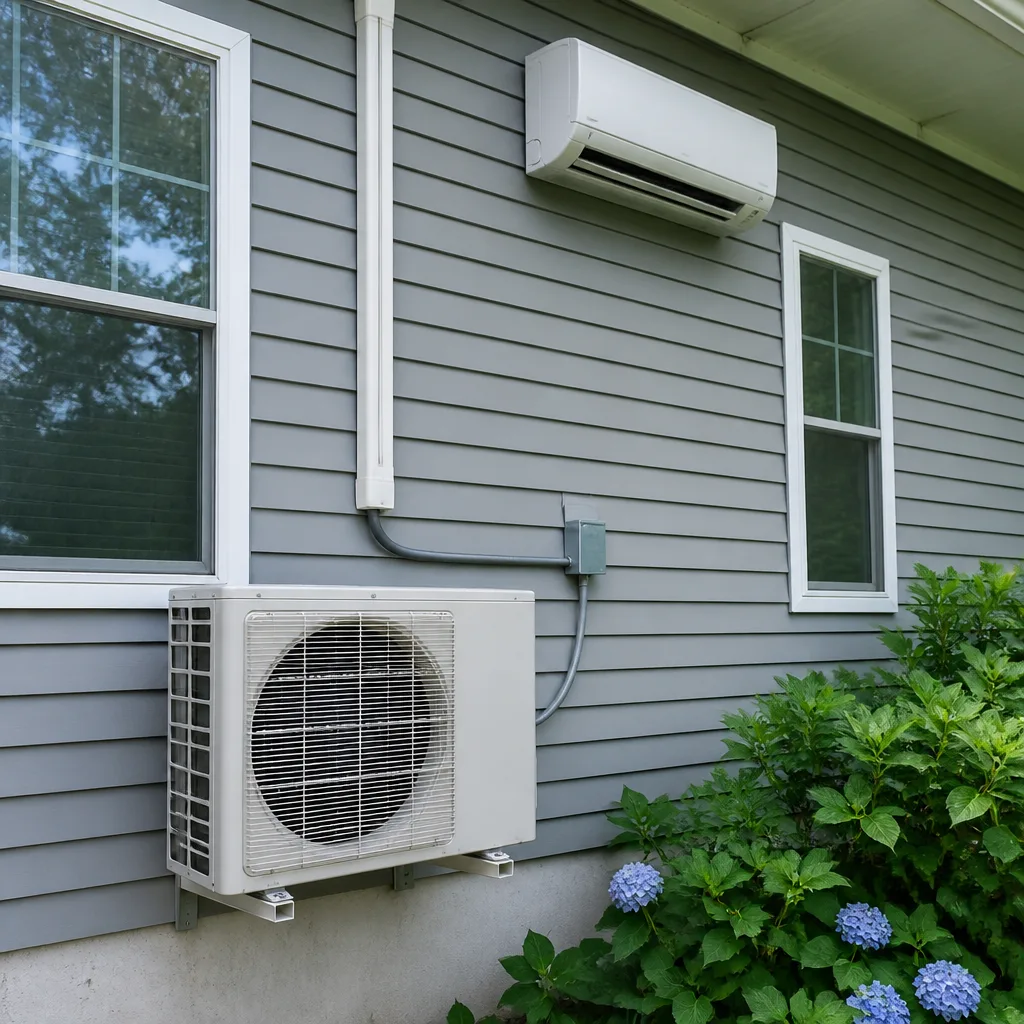 Ductless mini splits
 Carrier
 Trane
 Goodman
Seasonal tune-up and full diagnostic on your Carrier, Trane, or Goodman system - readings shown to you before any repair is proposed
Diagnosis first, numbers second - you approve the repair price before a single part goes in.
Get your free estimateHVAC Cost Breakdown: The Provo Homeowner’s Reference for 2026
Two Provo homeowners can get quotes for the same 3-ton AC replacement and see bids $3,000 apart. That gap usually isn’t fraud. It’s equipment tier, warranty terms, labor scope, refrigerant type, and whether the permit is inside the number or hidden outside it. None of that is visible on a one-line quote, which is why so many people end up accepting or rejecting blindly. This reference breaks the numbers apart line by line, with Utah County labor ranges, refrigerant transition costs, and the specific omissions that make a low bid turn expensive. Read it before you sign anything in Provo this year.
Quick Answer
In Provo, a diagnostic call typically runs $75 to $150, common AC repairs land between $180 and $650, and a full 3-ton AC replacement runs roughly $5,500 to $11,000 depending on equipment tier, refrigerant, and scope. Furnace repair usually falls between $150 and $600, with heat exchanger or blower work pushing higher. The written estimate sets the final price, and it should itemize equipment, labor, permit, refrigerant charge, and haul-away.
Styles & brands we work with
- AC repair
- Furnace & heating
- Heat pumps
- Ductless mini splits
- Carrier
- Trane
- Goodman
Table of Contents
- What labor actually costs in Utah County
- Equipment tiers: what a 14-SEER2 versus 18-SEER2 unit really buys
- Refrigerant reality: R-410A, R-454B, and repair-versus-replace
- Permits, inspections, and what contractors leave out
- Red flags in low bids
- How Provo’s climate shapes what you’re paying for
- How to read a quote in five steps
- Frequently asked questions
What Labor Actually Costs in Utah County
Labor is the biggest variable in any HVAC quote, and it’s the line item homeowners understand least. In the Provo market, a licensed technician’s time isn’t billed the way a plumber’s or electrician’s is, because HVAC work bundles diagnostics, refrigerant handling, and equipment commissioning into a single visit. Here’s the typical range for what each type of job costs in Utah County in 2026:
- Diagnostic call: $75 to $150. Covers travel, system inspection, and a written finding. The best shops waive nothing and hide nothing; you pay for a real diagnosis, not a sales visit.
- Standard AC repair (capacitor, contactor, thermostat, blower motor): $180 to $650, parts and labor combined.
- Compressor replacement: $1,200 to $2,400, depending on refrigerant and equipment age.
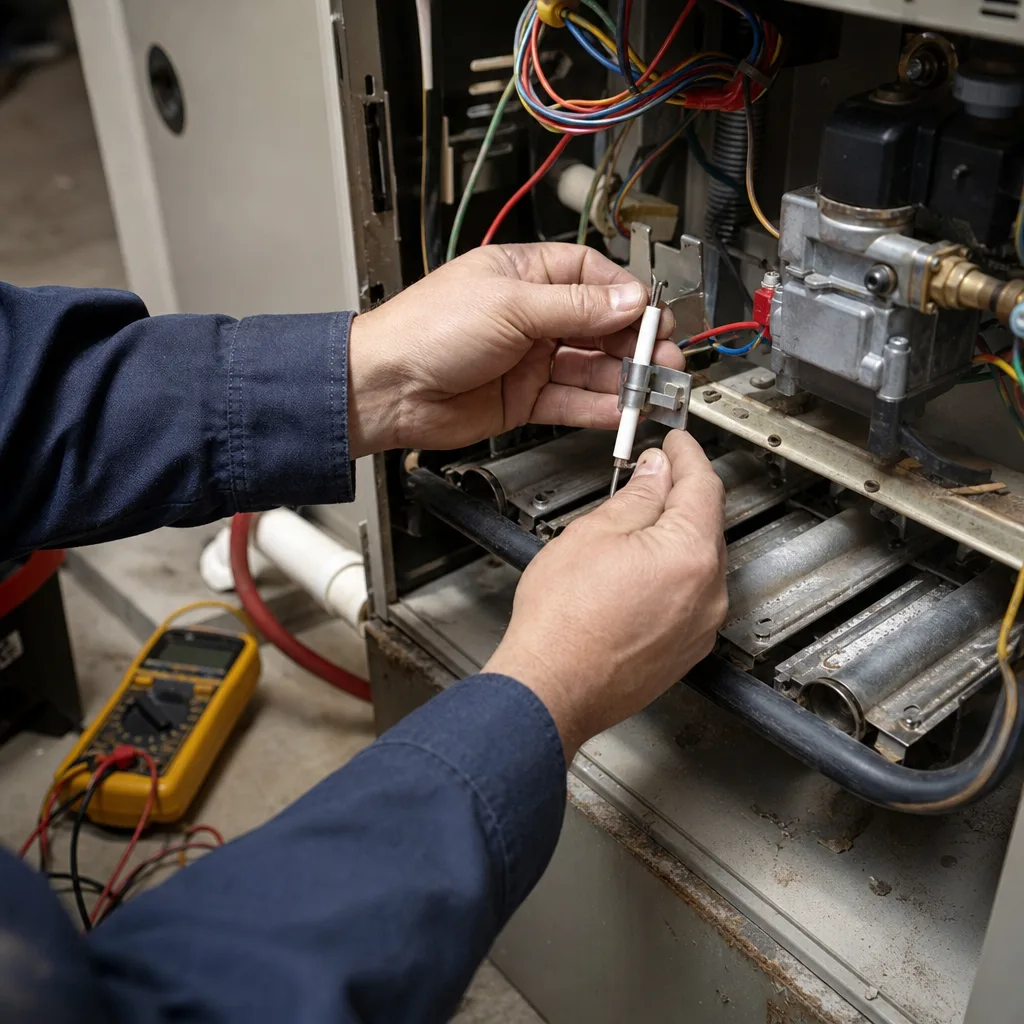
- Furnace repair (igniter, flame sensor, inducer motor): $150 to $600.
- Full system replacement (3-ton AC): $5,500 to $11,000 installed.
These ranges reflect local labor rates, not national averages. Utah County’s cost of living sits below the national median, which pulls labor down slightly, but the summer demand spike pushes it back up. When a system fails in July, every shop in Provo is booked, and the shops that can respond same-day tend to charge at the top of the range. That’s not gouging. It’s the cost of keeping trained technicians available when everyone’s AC quits at once.
Why brand matters to the labor number: Some equipment is easier to diagnose and repair than others because of how the control boards and fault codes are laid out. A technician who works on Carrier and Bryant equipment regularly reads the same fault patterns faster than one who sees the brand twice a year. At AC Repair Provo, our technicians are factory-trained across nine major brands, including Carrier, Trane, American Standard, and Bryant, so the diagnosis reflects your actual equipment rather than generic troubleshooting that runs up the clock.
Equipment Tiers: What a 14-SEER2 Versus 18-SEER2 Unit Really Buys
The single biggest swing in any replacement quote is the equipment tier. A 14-SEER2 unit is the entry-level standard; an 18-SEER2 unit sits two tiers up. The price difference between them in the Provo market runs roughly $1,800 to $3,200 installed, and the honest question is whether that money comes back.
Here’s the math that matters. Utah’s climate means your AC runs hard from June through early September and then mostly rests. A 14-SEER2 system might run 1,200 to 1,400 cooling hours per season. An 18-SEER2 system uses roughly 22 to 28 percent less electricity for the same cooling output. On a typical Provo electricity bill, that works out to somewhere between $90 and $180 in savings per cooling season.
At $1,800 to $3,200 extra upfront and $90 to $180 saved per year, the payback on the higher tier runs 12 to 30 years. Most systems don’t last that long. So why buy the 18-SEER2 at all? Because efficiency isn’t the only thing you’re paying for:
- Better dehumidification. Higher-tier units often have two-stage or variable-speed compressors that run longer at lower output. In Provo’s dry summers this matters less than in humid climates, but it does make the house feel steadier.
- Quieter operation. Two-stage and variable-speed systems are noticeably quieter. If the condenser sits outside a bedroom window, that’s worth real money to some homeowners.
- Longer warranty coverage. The equipment manufacturer typically extends the compressor and parts warranty on higher tiers. That’s a gamble on the equipment lasting, not a guaranteed return.
- Better temperature consistency. Variable-speed blowers hold room temperatures within a degree instead of swinging three or four.
The honest read: if you’re staying in the house long-term and the noise or comfort matters to you, the higher tier is defensible. If you’re watching every dollar, the 14-SEER2 unit with a good install is the better value. What you should never do is let a quote push you to the premium tier purely on “energy savings” claims. Ask the contractor to show the cooling-hour estimate and the efficiency difference in writing. If they can’t, the number is marketing.
Refrigerant Reality: R-410A, R-454B, and Repair-Versus-Replace
Refrigerant is the quiet cost driver in every 2026 HVAC decision, and most quotes don’t explain it. The short version: R-410A is being phased down, and new equipment increasingly uses R-454B or R-32. That transition changes what repairs cost on older systems and what a new install includes.
R-410A isn’t banned; production is being reduced under federal rules. What that means for a Provo homeowner with an older R-410A system is simple: refrigerant costs more every year, and the gap widens. A recharge that cost $180 a few years ago can now run $350 to $600 depending on how much is needed and current supply. Newer R-454B systems aren’t cheaper to charge, but the refrigerant is available and will stay available.
The repair-versus-replace decision turns on this:
- If the system is under 10 years old and needs a minor repair: repair it. The refrigerant cost is manageable, and the equipment still has useful life.
- If the system is 10 to 15 years old and needs a compressor or coil: get both a repair quote and a replacement quote before deciding. The repair may cost 40 to 60 percent of a new system, which makes replacement worth serious consideration.
- If the system is over 15 years old and needs any refrigerant work: lean toward replacement. You’re paying premium refrigerant prices on equipment that may need another repair next summer.
- If the system uses R-22 (the older ozone-depleting refrigerant): replace it. R-22 is no longer produced domestically, and any repair requiring refrigerant is a stopgap.
The equipment you buy matters here too. When we recommend a replacement for Provo homeowners, we work across whichever brand is already in the home, whether that’s Trane, Carrier, American Standard, or another major manufacturer. You shouldn’t be pushed toward a single brand because a contractor has a dealer agreement. You should be told which equipment fits your house, your budget, and the refrigerant transition honestly.
Permits, Inspections, and What Contractors Leave Out
Permits are where low bids hide. A Provo HVAC replacement requires a mechanical permit and inspection in most cases, and the fee typically runs $150 to $350 depending on the scope. A contractor who excludes the permit from the quote isn’t saving you money. They’re either planning to skip the permit, which can create problems when you sell, or they’re planning to add it as an after-the-fact charge.
Here’s what the permit actually covers, and why it’s not a formality:
- Verification that the equipment is properly sized for the home
- Electrical connections and disconnect reviewed by an inspector
- Refrigerant lines, brazing, and leak testing checked to code
- Condensate drainage and safety switches confirmed
- Combustion venting verified for furnace work
The inspection pass creates a paper trail. If you sell the house in five years and a buyer’s inspector asks about the AC replacement, having the permit and inspection on record prevents the kind of question that slows a sale. We include permit costs in our written estimates so there’s no surprise line item after the work is done. When you compare quotes, look for the permit line. If it’s missing, ask directly whether it’s included and whether the contractor will pull it.
Red Flags in Low Bids
A bid $3,000 below the others isn’t automatically a scam, but it almost always omits something. The omissions show up later as charges. Here’s what to look for:
- No startup and commissioning line. A proper install includes refrigerant charge verification, airflow measurement, and a temperature-split test. If it’s not listed, it’s not happening.
- Refrigerant charge not included. The new system arrives pre-charged for a standard line-set length. If your install needs additional refrigerant because of line-set distance, someone has to pay for it. A quote that doesn’t address this will come back with a charge.
- Thermostat and low-voltage wiring excluded. A new system often needs a new thermostat and fresh wiring. A quote that excludes them looks cheaper until the technician is on-site asking for an additional $250 to $500.
- Haul-away and disposal not listed. Removing and disposing of the old condenser and air handler costs $75 to $200 in this market. The contractor should tell you where the old equipment goes.
- Line-set replacement excluded. On a system that’s 15 years old, the old copper line set may not be compatible with the new refrigerant. Leaving it out of the quote is common; fixing it after the fact is expensive.
- No mention of the electrical disconnect or pad. Outdoor equipment needs a proper disconnect and a level pad. Both are small line items that vanish from low quotes.
- Warranty registration buried. Equipment warranty registration has a deadline, often within 60 days of install. A contractor who doesn’t handle this hands you the paperwork and hopes you forget.
Add those omissions up and a $3,000 gap closes fast. The real comparison isn’t the top-line number; it’s the scope inside the number.
How Provo’s Climate Shapes What You’re Paying For
Provo sits in a high desert valley with a lake to the west and mountains to the east. That geography does specific things to an HVAC system’s workload. Summer afternoon temperatures regularly hit the mid-to-high 90s, and the dry air means the system is doing sensible cooling rather than heavy dehumidification. The equipment doesn’t have to fight humidity the way it would in Houston or Atlanta, which means oversized systems are a real temptation – and a real mistake.
An oversized AC cools the house too fast, cycles on and off, and never reaches its rated efficiency. In Provo’s dry heat this is even more visible, because the temperature drops quickly and the blower has nothing else to do. Proper sizing uses an actual load calculation, not a rule of thumb based on square footage. Ask any contractor quoting a replacement whether they ran a room-by-room load calculation. If they shrug and say “we’ll match what’s there,” that’s a red flag.
Winter brings its own cost curve. Provo’s furnace work is dominated by ignition and blower problems rather than heat-pump defrost issues. The furnace has to handle temperatures that occasionally drop into the single digits, and equipment that’s undersized or losing capacity shows up as cold rooms in the mornings. Both heating and cooling are part of the same system decision in Provo, and a company that only handles AC will pass you to someone else when the furnace fails in December. AC Repair Provo covers both, which matters when you’re deciding who to call.
Where the Money Goes in a Full Replacement
When a homeowner asks where their $8,000 goes, the honest answer is a short list. Roughly 55 to 65 percent of the total is equipment. That covers the condenser, the air handler or coil, and any matched components needed to meet the efficiency rating. Labor runs 20 to 30 percent, which covers removal of the old system, installation, brazing, electrical hookup, commissioning, and testing. The remaining 10 to 20 percent covers the permit, the line set, thermostat wiring, refrigerant adjustment, and disposal. Those percentages shift by tier and by the condition of the existing install, but they explain why equipment tier drives the top-line number so much and why a low bid almost always skips labor-heavy steps.
This is also why we write fixed-price estimates. An estimate that says “materials plus labor, to be determined” is a quote that will grow. The written estimate sets the final price, and the homeowner’s job is to compare the scope inside the number.
What Common Repairs Cost in Provo
Not every HVAC decision is a replacement. Most are repairs, and knowing the typical repair range for Provo helps you recognize a fair quote when you see one:
- Capacitor: $180 to $300. A cheap part with outsized diagnosis cost; if a technician says the repair is $900, ask for the itemized parts list.
- Contactor: $200 to $350.
- Blower motor: $400 to $700 installed.
- Condensate drain or pan repair: $150 to $450.
- Thermostat replacement: $200 to $450 installed, depending on whether wiring needs to be run.
- Igniter or flame sensor on a furnace: $150 to $350.
- Inducer motor swap: $450 to $800.
These are estimates, and the written estimate after diagnosis sets the final price. For a more detailed look at what a repair call involves, see our page on AC repair; if you’re comparing a repair to a new install, our AC installation page breaks down what a replacement includes. When repair stops making sense and replacement becomes the honest choice, the decision usually comes down to equipment age, refrigerant type, and whether the next repair is already predictable.
How to Read a Quote in Five Steps
- Check the equipment model number. Don’t accept a tier label. Get the actual model number and look up its SEER2 rating and warranty terms. A quote that says “high-efficiency system” without a model number is a quote written to be vague.
- Verify the permit is included. If the work requires a mechanical permit, the line should be inside the quote. Ask whether the contractor will pull it under their name.
- Look for startup, refrigerant, and haul-away lines. These are the three most commonly omitted items. If any are missing, ask the contractor to add them to the written scope.
- Confirm labor scope. Does the price cover removal of the old equipment, a new line set or a flush, and thermostat wiring? If the quote is silent, ask what happens if the old line set isn’t compatible.
- Get the written estimate, not a verbal range. The final price is set by the written estimate. Anything not on paper at the time of signing is not part of the deal.
This is the same framework we use when we prepare a quote for a Provo homeowner. We also pull the permit, register the equipment warranty, and hand over the inspection paperwork at the end. That’s part of the job, not an add-on.
See the difference
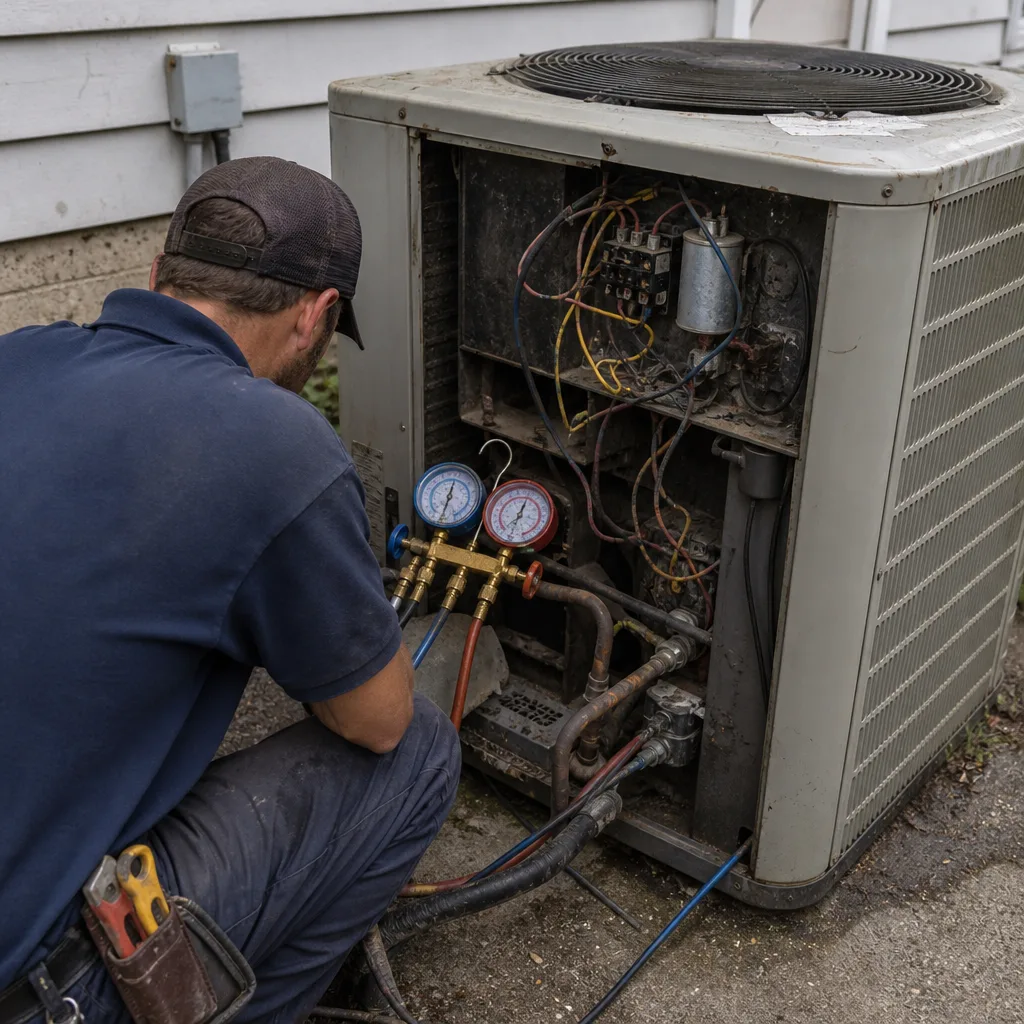 Before
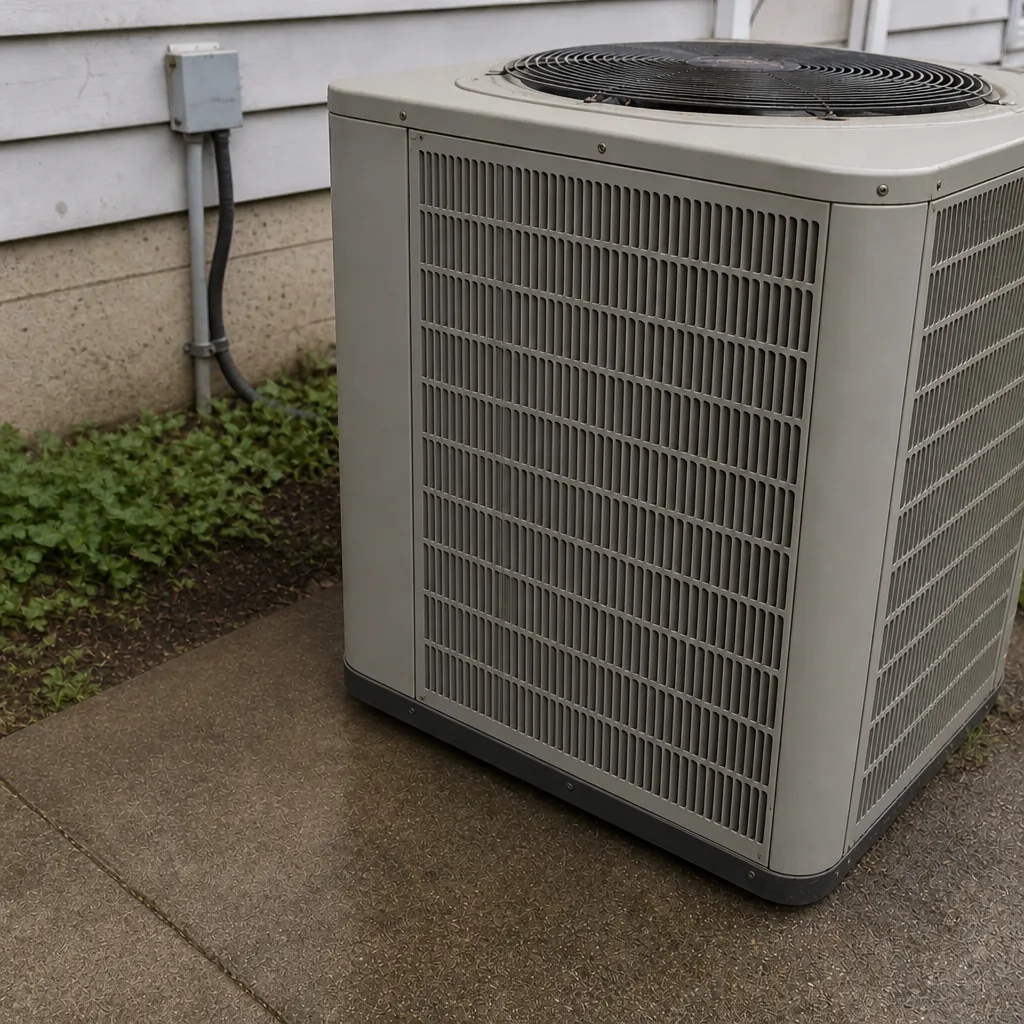 After
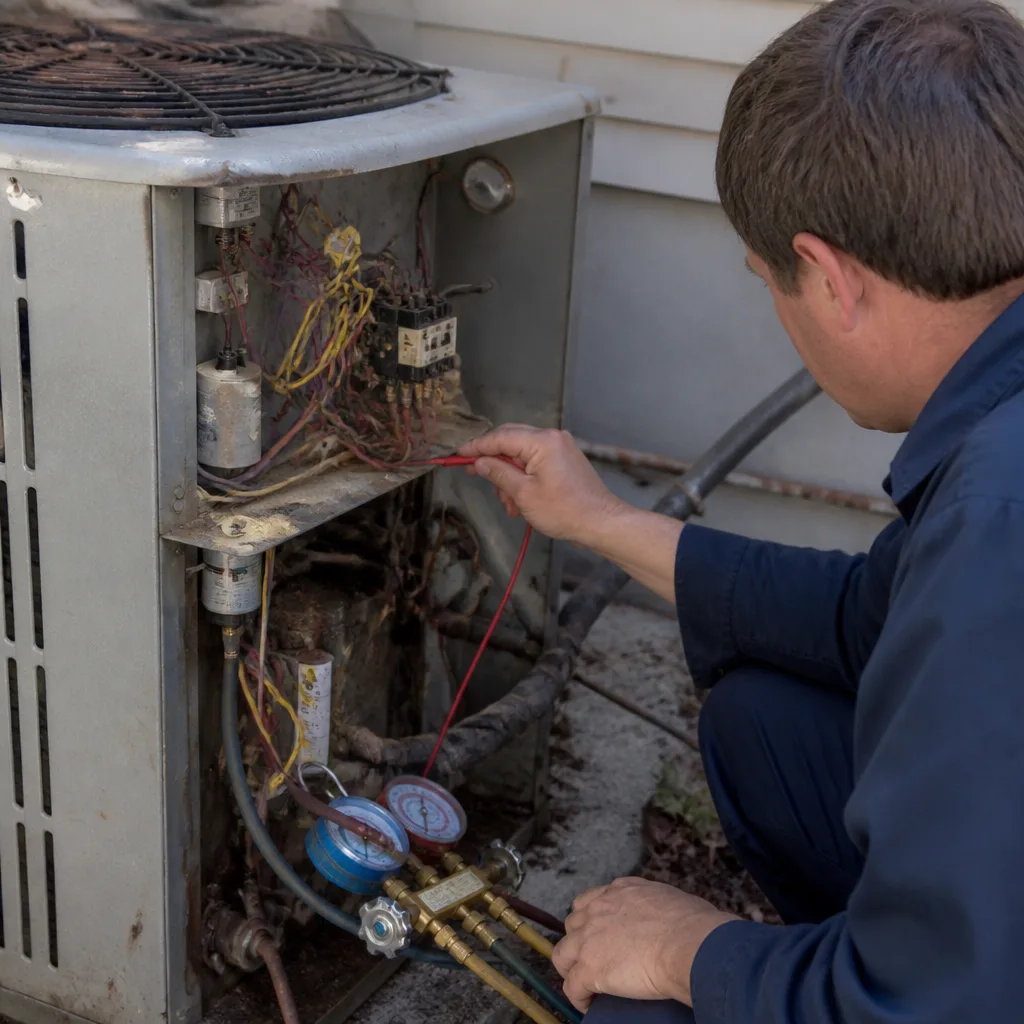 Before
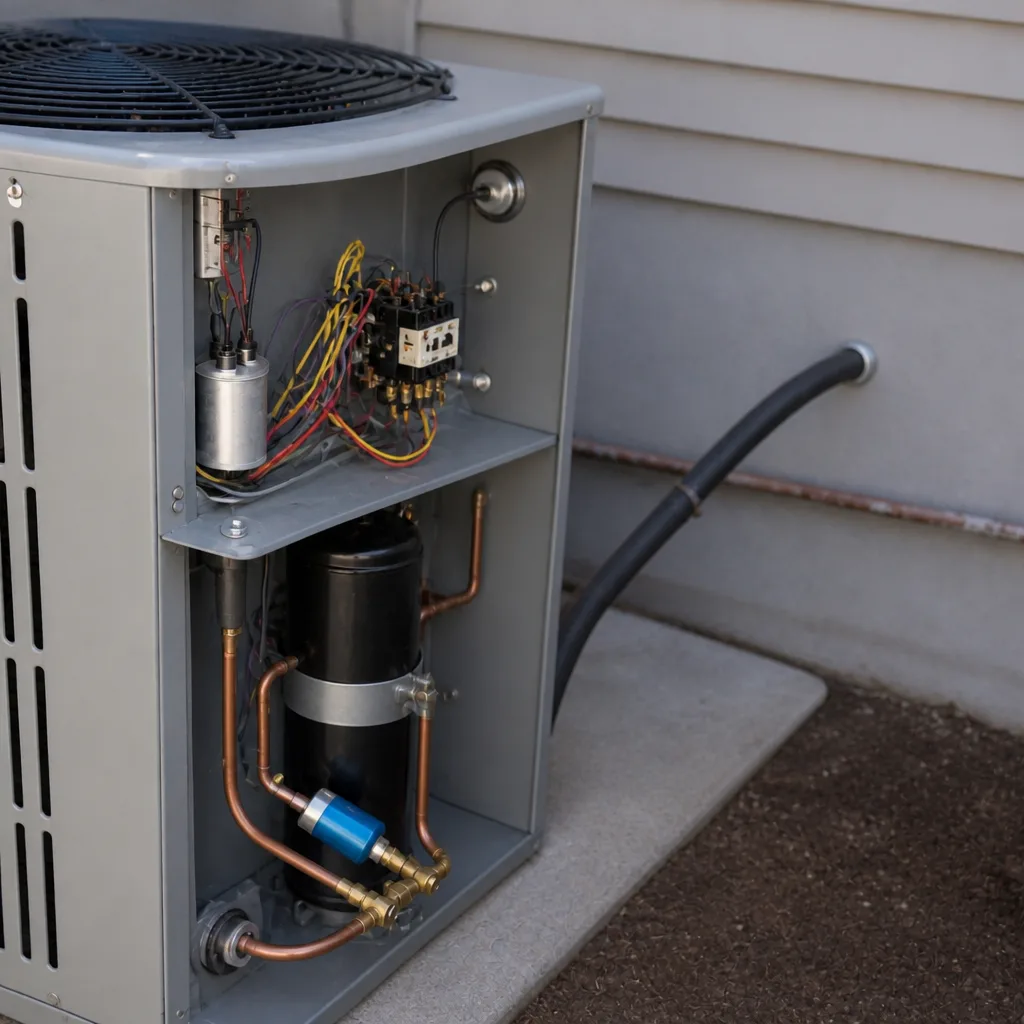 After
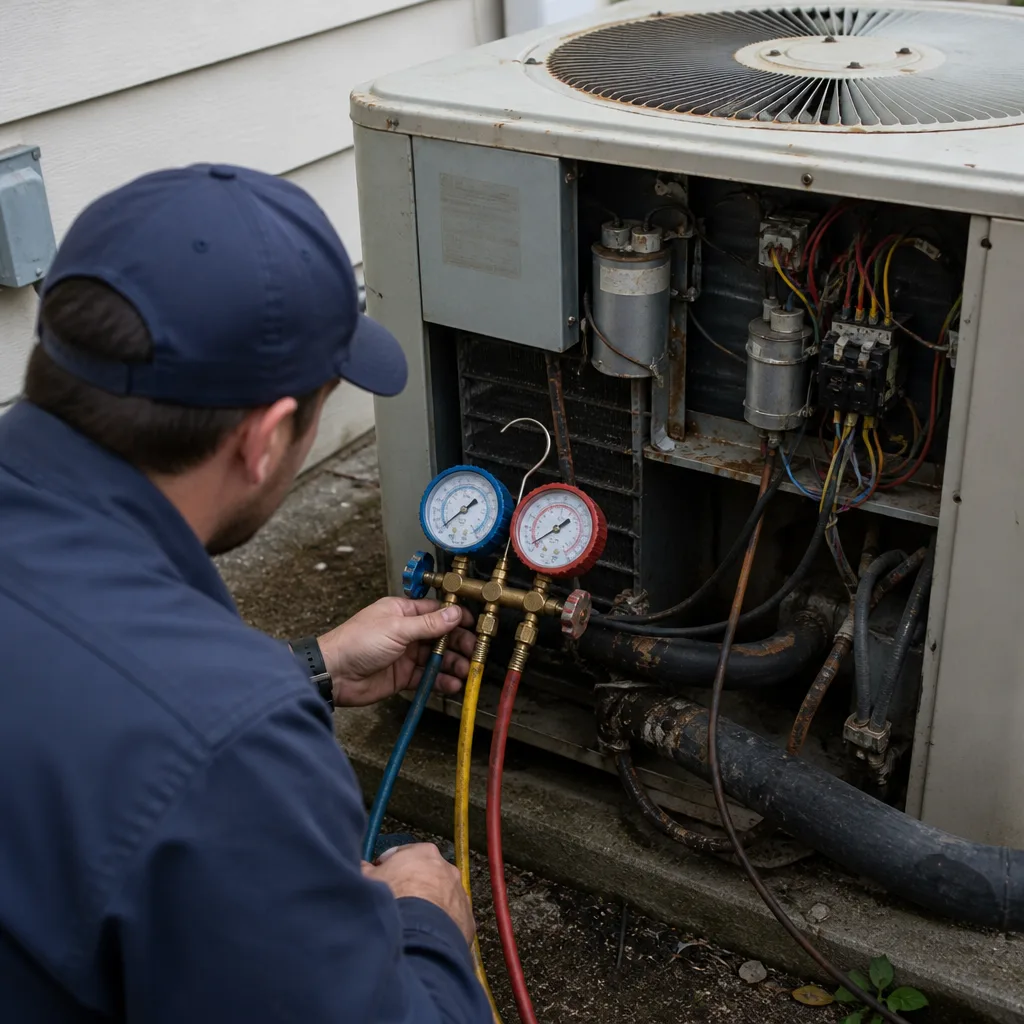 Before
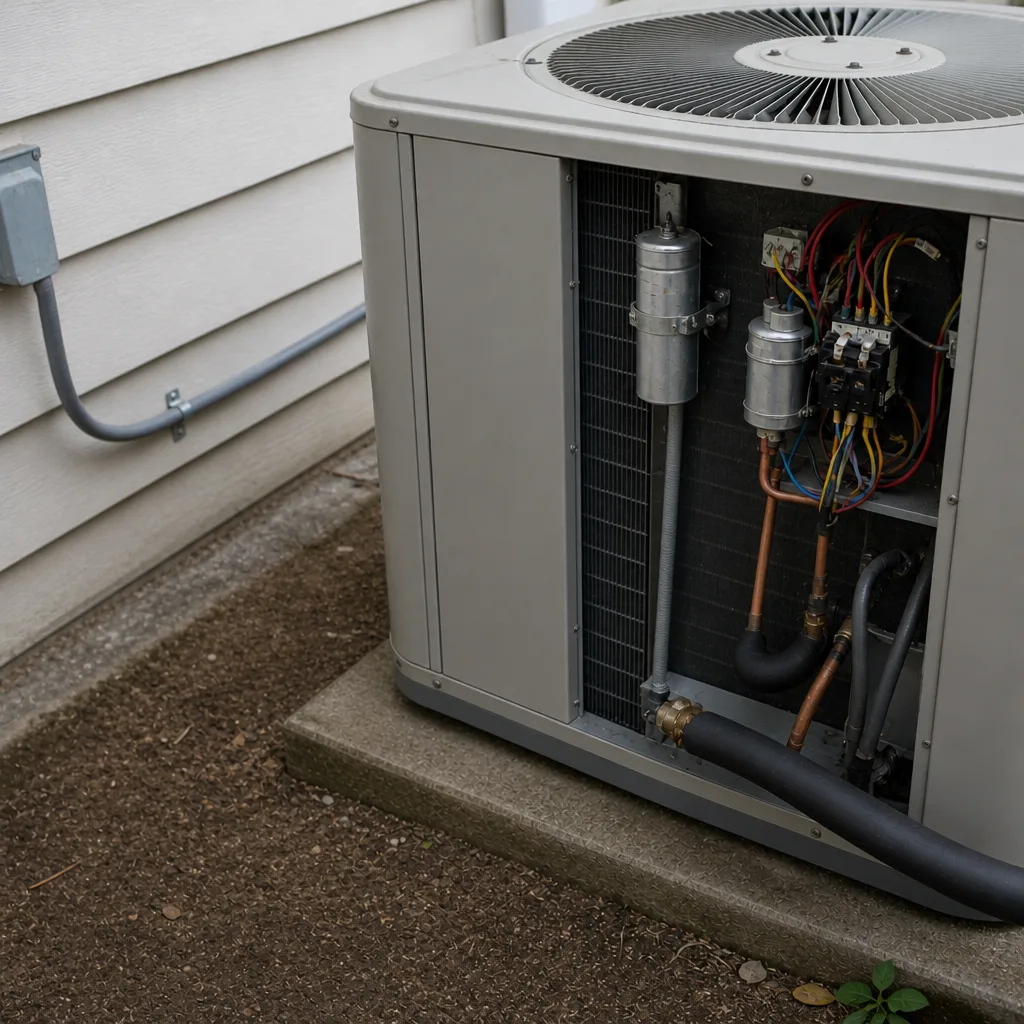 After
Utility Bills, Rebates, and What to Ask
Efficiency upgrades sometimes come with utility rebates or federal tax credits, and those programs change from year to year. The right answer for 2026 is to ask directly what applies. We don’t promise specific rebate amounts because the rules shift and the responsible party is the utility or the tax professional, not the contractor. If a program applies, the contractor should be able to point you to the current paperwork and the qualifying equipment list. If a contractor promises a rebate figure without showing you the program documentation, that’s a signal the number isn’t verified. Bring the same skepticism to any savings estimate that sounds too clean.
Common Mistakes to Avoid
- Comparing top-line numbers only. Two quotes with a $3,000 gap usually differ by scope, not by margin. Ask each contractor for an itemized scope.
- Accepting an oversized system. Bigger isn’t better in Provo’s dry climate; it short-cycles and costs more to run. Insist on a load calculation.
- Skipping the permit to save $200. An unpermitted install can complicate a future sale and skip the inspection that catches real defects.
- Sorting by brand name only. A good installer with a solid mid-tier brand beats a mediocre install with a premium label. The equipment matters, but the install quality is what you actually live with.
- Repairing a 15-year-old R-410A system that needs a compressor. The repair may cost half of a new system, and the next failure is likely within a few summers.
- Ignoring the warranty registration deadline. Many equipment warranties require registration within a set window. Ask who handles it.
- Paying a diagnostic fee and getting no written finding. You’re paying for a diagnosis, so you should get a written finding that names the fault, the part, and the repair price. If the technician leaves without giving you that, you didn’t get a diagnosis.
When to Call a Professional
Some problems are worth watching and some aren’t. Call a professional when the system blows warm air while running, when the breaker trips repeatedly, when you smell burning or rotten-egg odors near a furnace, when the condensate pan is overflowing, when the outdoor unit is noisy in a way it wasn’t last summer, or when a repair price starts approaching 50 percent of replacement cost. Residential HVAC involves refrigerant handling, combustion safety, and high-voltage electrical connections. These aren’t homeowner jobs, and a technician who works on them daily will diagnose faster and safer than anyone troubleshooting from a video. AC Repair Provo offers free estimates in Provo – call (855) 657-5471. We answer 24/7. Fast dispatch from 7am to 7pm, Sunday through Friday.
Frequently Asked Questions
A 3-ton AC replacement in Provo typically runs $5,500 to $11,000 installed, depending on equipment tier, refrigerant type, line-set condition, and whether the permit is included. Entry-tier 14-SEER2 equipment sits near the bottom of that range, and 18-SEER2 equipment with a variable-speed blower pushes toward the top. The written estimate sets the final price. Call (855) 657-5471 for an exact quote – estimates are free.
Quotes differ because the equipment tier, warranty terms, permit inclusion, line-set scope, and refrigerant handling differ. A bid that omits the permit, refrigerant adjustment, thermostat wiring, and haul-away can look $2,000 to $3,000 cheaper until those items are added after the install. Ask for an itemized scope from every contractor before comparing numbers.
Repair is usually cheaper if the fix is a capacitor, contactor, or blower motor. Replacement becomes the better decision when the repair involves a compressor or evaporator coil and the system is over 10 years old. At that point the repair can run 40 to 60 percent of a new system, and the next failure is predictable. Get both quotes before deciding.
Most Provo HVAC replacements require a mechanical permit and inspection. Permit fees typically run $150 to $350 depending on scope. The permit isn’t paperwork theater: it triggers an inspection of electrical connections, refrigerant handling, condensate drainage, and combustion venting. Ask whether the quote includes the permit and who will pull it.
A recharge on an R-410A system typically runs $350 to $600 depending on how much refrigerant is needed and current supply. R-410A production is being phased down, so the cost has been rising. On systems 15 years or older, that recharge price often signals it’s time to compare repair cost against replacement.
Our technicians are factory-trained across Carrier, Trane, Lennox, Goodman, Rheem, York, Daikin, Bryant, and American Standard, so diagnosis is specific to the equipment in your home rather than generic troubleshooting. We work on the brand you already own and don’t push a single manufacturer. Call (855) 657-5471 with the model number and we can tell you what to expect before we arrive.
The Bottom Line
The gap between HVAC quotes in Provo is almost never explained by the contractor’s honesty. It’s explained by what’s inside the skimmed number: equipment tier, refrigerant type, permit inclusion, line-set scope, and the labor-heavy startup steps. A 14-SEER2 system is often the right call when you’re weighing pure value, and an 18-SEER2 system earns its price when noise and comfort consistency matter. R-410A systems over 10 years old need the repair-versus-replace math done honestly. Read the permit line, the refrigerant line, and the haul-away line before you sign. The written estimate is the only number that counts, and the scope inside it tells you what you’re actually buying.
AC Repair Provo has handled AC repair, AC installation, and furnace repair for Provo homeowners for 13 years. We work on your brand, we pull the permit, and we write a fixed price before the work begins. Call (855) 657-5471 for a free estimate. We answer 24/7. Fast dispatch from 7am to 7pm, Sunday through Friday.
Written by the team at AC Repair Provo, serving Provo since 2013.