
Last updated November 14, 2026
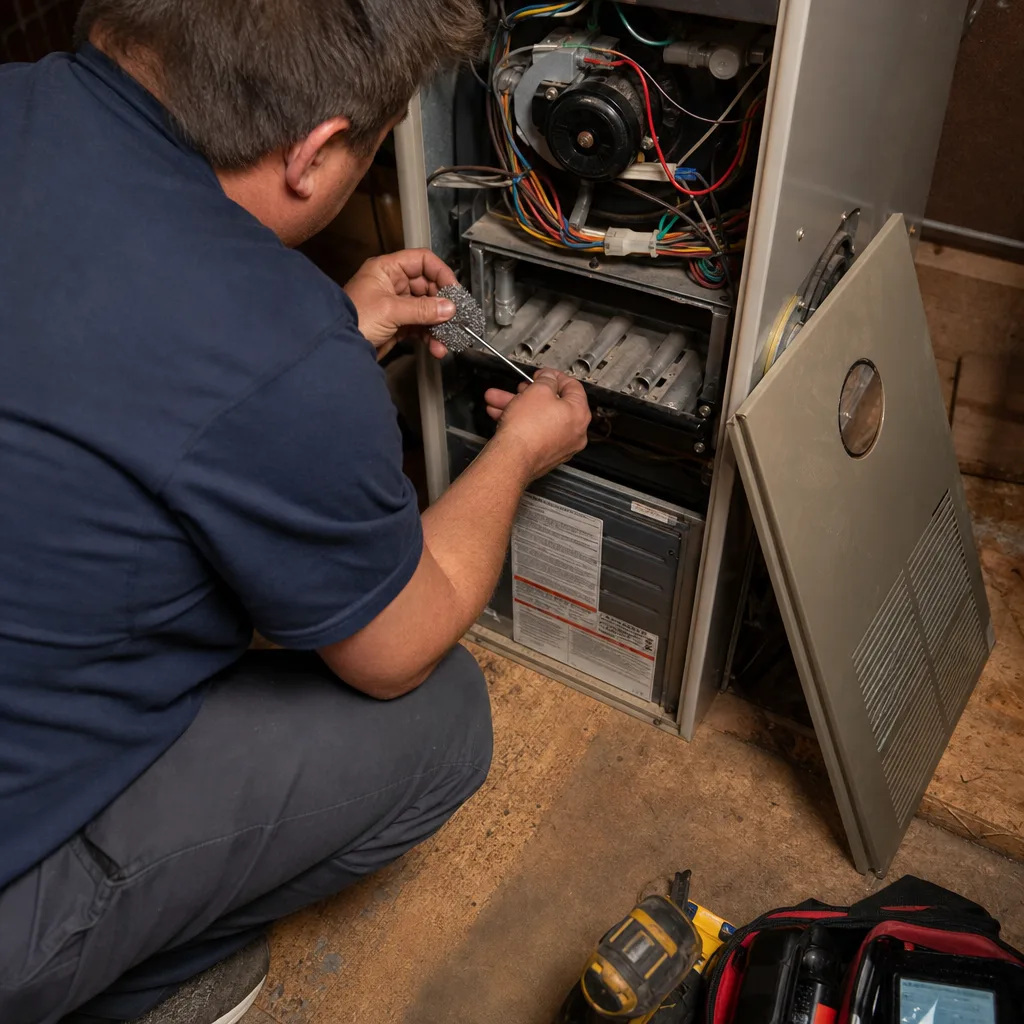
 AC repair
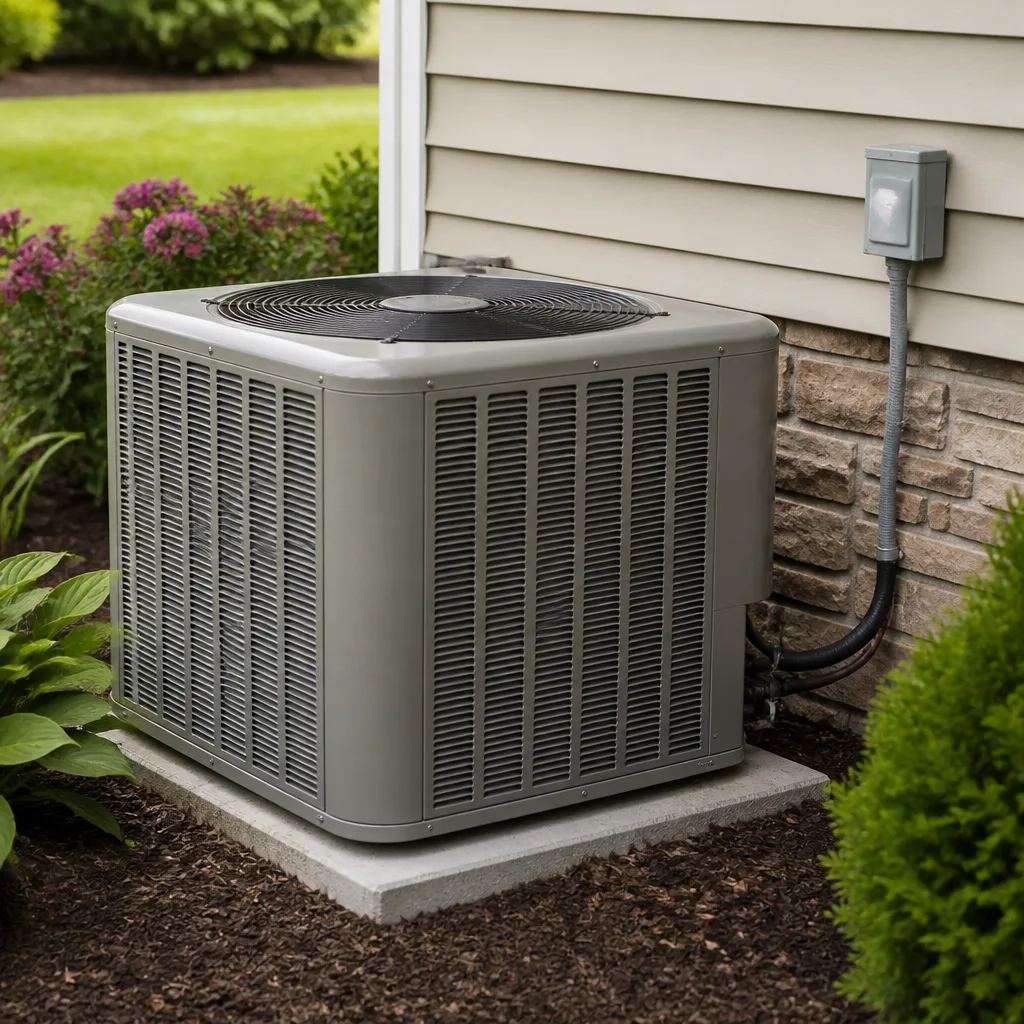
 Furnace & heating
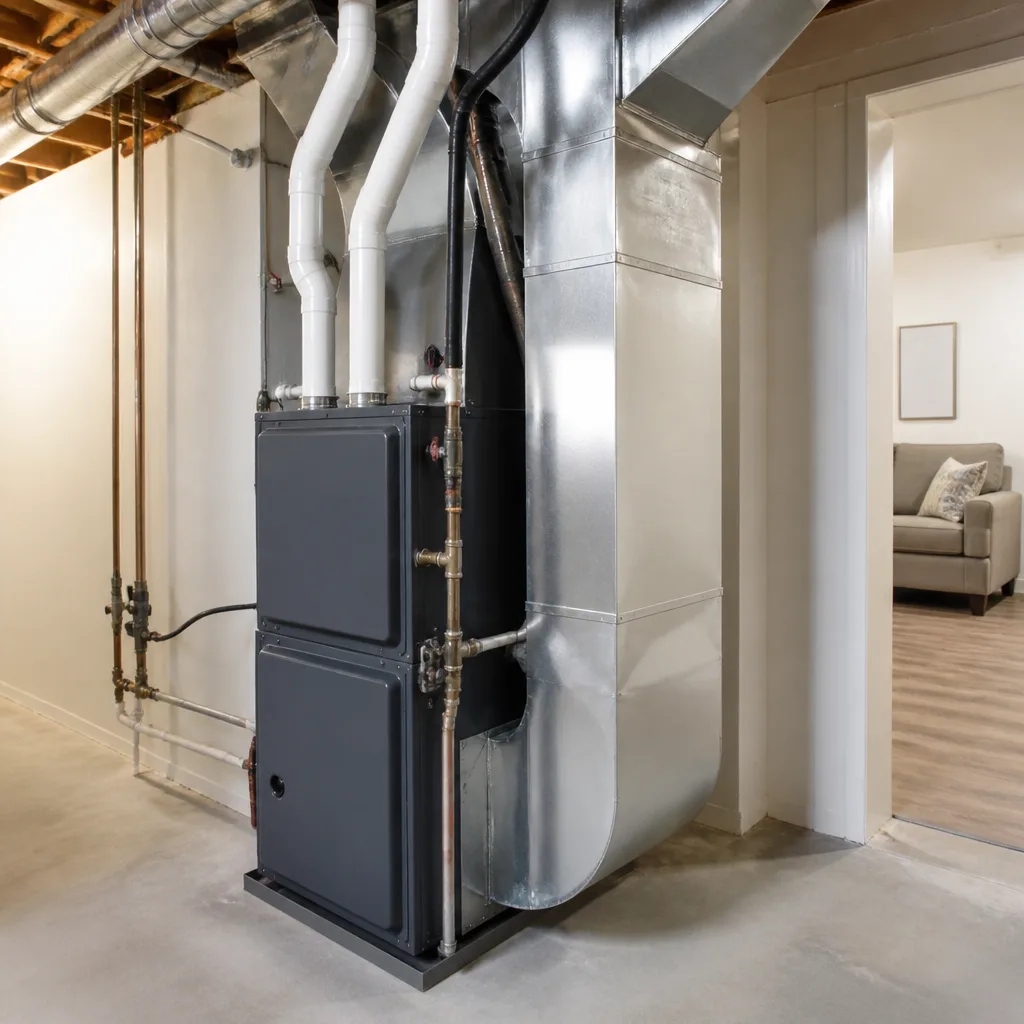
 Heat pumps
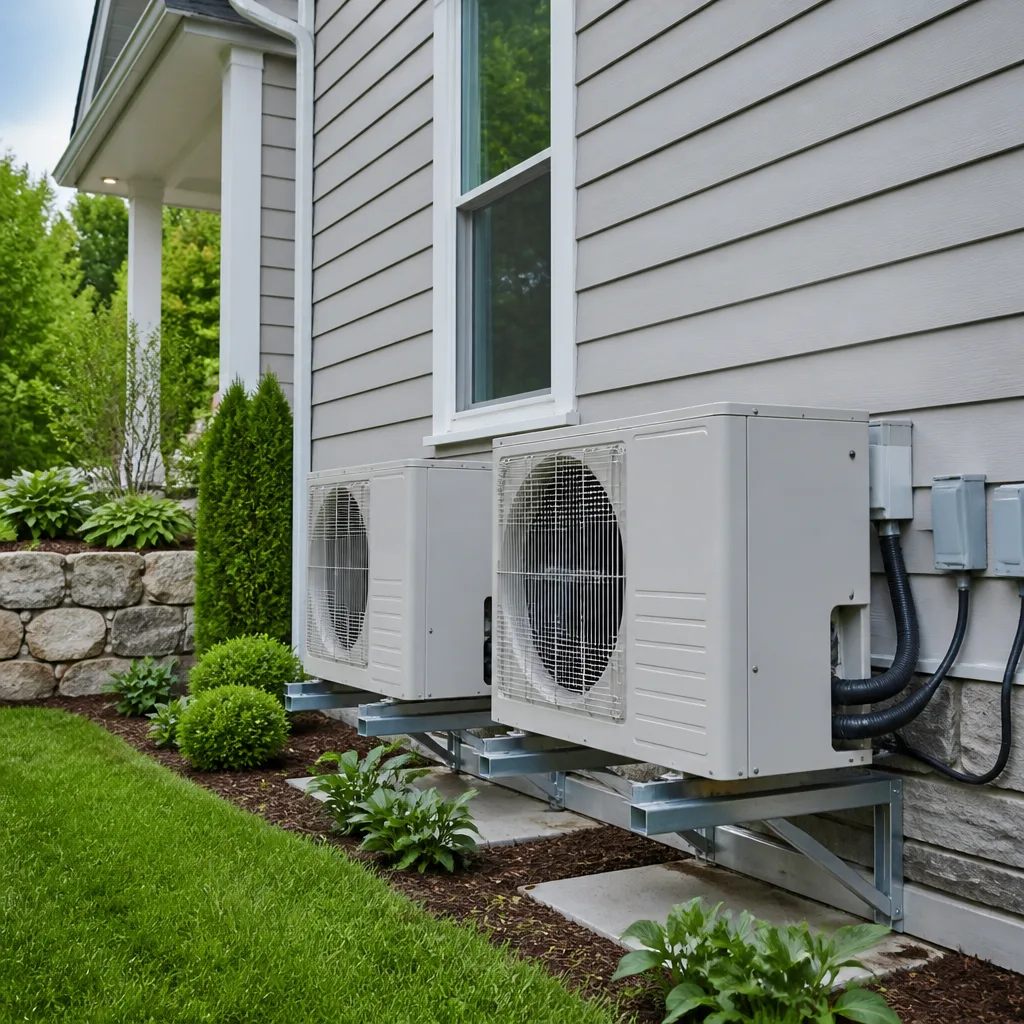
 Ductless mini splits
 Carrier
 Trane
 Goodman
Seasonal tune-up and full diagnostic on your Carrier, Trane, or Goodman system - readings shown to you before any repair is proposed
Diagnosis first, numbers second - you approve the repair price before a single part goes in.
Get your free estimateHVAC Permits, Codes & Inspections in Provo, UT: What You Need to Know
Most homeowners assume a permit is paperwork that exists to slow a project down. In Provo, it’s the other way around: the permit is what stands between you and a closing table, an insurance denial, or a code violation that follows the equipment rather than the installer. Local real estate attorneys now routinely tell buyers to pull the equipment permit history before they sign, and that request surfaces unpermitted work more often than people expect. A system swapped without a permit can stall a sale years after the fact. This guide covers when Provo City requires a permit, how Utah’s mechanical code treats replacement versus repair, what inspectors actually look at, and how the timeline really runs so a delay never catches you off guard.
Quick Answer
In Provo, replacing an air conditioner, furnace, or coil requires a mechanical permit and an inspection; routine repair of existing equipment generally does not. Unincorporated Utah County runs on its own permitting process, so the requirements aren’t identical once you cross the city line. A permit inspection confirms the equipment was installed to the adopted mechanical code and gives you documented proof of the work when you sell or file a claim.
Styles & brands we work with
- AC repair
- Furnace & heating
- Heat pumps
- Ductless mini splits
- Carrier
- Trane
- Goodman
Table of Contents
- Why an HVAC Permit Matters More Than Most Homeowners Think
- When Is an HVAC Permit Required in Provo?
- What Utah’s Mechanical Code Requires for Replacement Versus Repair
- What Inspectors Check: Line Sets, Disconnects, and Clearances
- How Unpermitted HVAC Work Affects Insurance Claims
- The Permit Timeline: Approval to Final Inspection
- How Unpermitted Work Gets Found
- Common Mistakes to Avoid
- When to Call a Professional
- Frequently Asked Questions
- The Bottom Line
Why an HVAC Permit Matters More Than Most Homeowners Think
An HVAC permit does two jobs, and neither one is about tax revenue. The first is verification: an inspector confirms the equipment was installed to the mechanical code Utah has adopted, which covers things a homeowner can’t easily check after the fact like refrigerant line integrity, electrical disconnect sizing, and clearances from combustibles. The second is documentation. A closed permit creates a record that travels with the address. When you sell, a buyer’s agent pulls that history. When you file a claim, your insurer pulls it too.
Provo’s housing stock makes this more relevant than in a newer metro. A lot of homes here have had equipment swapped more than once, sometimes by a prior owner, sometimes by whoever was cheapest that summer. In our experience working AC repair calls across the city, we run into systems with no visible install tag and no permit record on a regular basis. That’s not a crisis for the current owner, but it becomes one the moment a transaction or a claim requires paperwork.
There’s a practical angle too. A permitted install means an inspector looked at the electrical work before the panel cover went back on. Bad connections at a disconnect or an undersized circuit are exactly the kind of thing that sits quietly for years and then becomes a fire investigation. The permit is cheap insurance against a problem nobody wants to diagnose after the fact.
When Is an HVAC Permit Required in Provo?
Provo City requires a mechanical permit for the work that changes equipment, not the work that restores equipment. The line isn’t perfect, and it depends on scope, but the general rule is straightforward. If a new unit, coil, or furnace is going in, expect a permit. If existing equipment is being repaired in place, usually not.
Work that typically requires a permit in Provo City
- Replacing an outdoor condenser or the full split system
- Replacing a furnace or air handler, including like-for-like swaps
- Installing a new evaporator coil that involves refrigerant work or a line set change
- New refrigerant line sets or relocation of existing lines
- Adding or upgrading an electrical circuit and disconnect for HVAC equipment
- Duct modifications that change the system’s capacity or routing
Work that usually does not
- Replacing a failed capacitor, contactor, or blower motor
- Clearing a condensate drain or replacing a drain pump
- Recharging refrigerant after a leak repair on an existing system
- Thermostat replacement
- Replacing an ignitor, flame sensor, or pressure switch
The county line matters
Unincorporated Utah County runs its own permitting process, and the requirements are not identical to Provo City’s. Homes on the edges of the valley, in areas that sit outside city limits, deal with a different office, a different review path, and sometimes a different inspection schedule. If you’re not certain which jurisdiction covers your address, that’s the first question to settle. We confirm it before quoting AC installation work because it changes the project calendar, not just the paperwork.
What Utah’s Mechanical Code Requires for Replacement Versus Repair
Utah has adopted the International Mechanical Code, and the part that matters most to homeowners is the distinction between replacement and repair. The code treats a replacement as an alteration of the system: the new equipment has to meet current requirements even if the old equipment was grandfathered under an earlier edition. A repair, by contrast, restores the system as it was.
That difference shows up in practice in a few specific ways.
- Clearances. A replacement has to maintain the code-required clearance from combustibles and from the structure. Older installs sometimes tuck a furnace tighter to a wall than current code allows. Putting a new unit in the same spot isn’t automatically acceptable.
- Combustion air. Gas furnaces need adequate combustion and ventilation air. A replacement in a tight closet may require vents or louvers the original install didn’t have.
- Electrical. New equipment means verifying the circuit, disconnect, and overcurrent protection match the nameplate requirements. Code requires a disconnecting means within sight of the equipment.
- Refrigerant piping. Line sets have to be properly sized, supported, and protected, and brazing has to be done correctly. This is where shortcuts show up first.
- Condensate. Drain lines need correct slope and a proper termination point.
Here’s the part homeowners push back on: adding a new furnace or coil often triggers a requirement to verify the existing duct system, not to rebuild it, but to confirm it can move the airflow the new equipment needs. An inspector isn’t going to measure every branch run. What they will look for is whether the equipment is installed in a workmanlike manner that meets the code in effect today. That’s why a bid that’s significantly lower than others usually isn’t doing the same scope of work.
Climate plays a role in how Utah inspectors read certain items. Provo summers put real load on a condenser, and winter design temperatures push furnaces hard. That means clearances around a condenser, and proper airflow across the evaporator coil, matter enough that an inspector will question a unit crammed against a fence or a fence panel added after the install. Outdoor units need unobstructed airflow to reject heat. Conditioned space needs the equipment sized to the actual envelope, not the old rule-of-thumb tonnage. A replaced furnace has to be listed and installed for the altitude it runs at.
What Inspectors Check: Line Sets, Disconnects, and Clearances
An HVAC inspection is not a performance test. The inspector is verifying that the installation matches the code and the approved plans. They are not measuring refrigerant charge or calculating your cooling capacity. What they look at is installation quality and safety. Here’s the sequence in plain terms.
- Rough-in inspection, if applicable. For work that involves new line routing or significant duct changes, the inspector may look at the piping before walls close or before the final connection. Line sets should be supported, protected from abrasion, and routed without kinks.
- Equipment verification. The inspector matches the installed equipment to the permit and reviews the nameplate data: manufacturer, model, capacity, and electrical requirements. This is why the model number on the bid has to match what lands on the pad.
- Electrical disconnect. A disconnect within sight of the outdoor unit, correct conductor sizing, proper bonding and grounding, and a circuit sized to the nameplate. Inspectors open the disconnect and look at terminations.
- Clearances. Combustible clearances for furnaces and flues, service access clearance in front of the equipment, and outdoor unit airflow clearance. A fence or a deck built after the install is a common finding.
- Combustion venting and gas connections. Flue piping slope, termination, and gas line sizing and support.
- Condensate management. Slope, trap where required, and a termination that doesn’t create a hazard or moisture problem.
- Final approval and permit close. On many residential replacements the inspection is a single visit once the system is running.
What trips a first inspection most often in our experience is the ordinary stuff: a missing disconnect, a line set run without protection where it crosses a walkway, or clearances that were fine for the old unit and aren’t for the new one. None of it is dramatic. All of it means a return trip.
How Unpermitted HVAC Work Affects Insurance Claims
Your homeowner policy doesn’t ask whether the furnace had a permit. It asks whether the loss is covered. Those are different questions, and the answer to the second one can turn on the first when a carrier investigates origin and cause.
Consider the scenarios that actually come up. A condensate line installed without a trap or proper slope overflows and damages a ceiling and finish work below. A deficient electrical connection at a disconnect starts a fire in a wall cavity. A flue installed with incorrect slope or termination leads to a carbon monoxide investigation. In each case, the adjuster’s first move is to establish what caused the loss and whether the installation met code. If the installation was never permitted and never inspected, that’s a documented gap. Coverage decisions can hinge on whether the work was done to code, and without a permit there is no record either way. We’ve seen the practical result: the carrier treats the unpermitted install as a potential exclusion or a contributing cause, and the homeowner is left arguing about a decision they can’t document.
There’s a related problem at resale. Most purchase contracts now include a request for equipment permits and inspection records. When a buyer’s agent asks and there’s nothing to produce, the deal usually doesn’t collapse outright. What happens is a credit request, a re-inspection, or a demand that the seller permit the work after the fact. That retroactive path is more expensive and slower than doing it right the first time, and it often requires opening walls to verify what’s behind them.
One more thing worth saying plainly: a permit is not a warranty on the equipment. It’s a record that the installation met code at a point in time. That record is what your insurer and your buyer will want to see, and it’s what you’ll want in hand if either ever asks.
The Permit Timeline: Approval to Final Inspection
Realistic planning matters more than optimism here. A residential mechanical permit for a like-for-like replacement in Provo City typically moves through review faster than a commercial project, but it still isn’t instant, and the inspection has to be scheduled. Build the permit schedule into the project calendar rather than discovering it the week of install.
- Contractor applies. The permit application includes the scope, equipment information, and sometimes the load calculation. A complete application moves faster than one that’s missing equipment data.
- Plan review. Simple residential replacements are often reviewed over the counter or through an online portal. Anything unusual, like a system change or duct work, gets a closer look.
- Permit issued. Work can begin once the permit is in hand. Installing before the permit is issued means the inspection can’t be scheduled until the paperwork catches up.
- Equipment and labor. The install itself is usually a day for a straightforward replacement. That clock is separate from the permit clock.
- Inspection request. The contractor calls for inspection, and the city or county schedules it. Scheduling windows vary with inspection volume, which is why the request goes in as soon as the system is ready.
- Inspection and corrections. The inspector approves or writes corrections. Corrections mean another visit.
- Permit closed. The final record is filed against the address.
The honest advice: don’t schedule the install and the inspection on the same assumption. Give the permit process its own buffer. If you expect a same-day install and the permit adds a week, plan for that week up front rather than discovering it after the system is ordered. That’s why we confirm jurisdiction, prepare the equipment data, and file early on any job that needs a permit.
How Unpermitted Work Gets Found
Homeowners sometimes believe unpermitted work stays invisible. It doesn’t, mostly because the discovery happens through processes you can’t control.
- Resale disclosure and buyer due diligence. Buyers request permit history on HVAC equipment as a matter of course now. A gap shows up in the county record immediately.
- Insurance investigation. Any claim involving water or fire near HVAC equipment invites an origin and cause review, and that review includes permitting.
- Utility and rebate programs. Rebate and energy program applications often require an installation record and a licensed contractor’s documentation. No permit, no record.
- Subsequent work by another contractor. When a technician opens a panel or a disconnect to repair the unit later, they can see whether the install met code. Many contractors won’t touch unpermitted work without a written disclosure.
- Code enforcement. Neighbor complaints and visible work without a posted permit are the most common triggers, particularly for outdoor units and major line runs.
The pattern is consistent. The work isn’t found because someone went looking for a violation. It’s found because somebody needed documentation, and there wasn’t any.
Common Mistakes to Avoid
- Assuming a like-for-like swap doesn’t need a permit. Replacement is replacement, even when the model matches the old one. The mechanical code treats the install as an alteration, and the paperwork applies.
- Not confirming which jurisdiction covers the address. Provo City and unincorporated Utah County don’t run identical processes. Homes near the edges of the valley frequently sit in the wrong mental bucket.
- Letting the contractor “handle it later.” Work done before the permit is issued can’t be inspected until the permit catches up. That turns a small scheduling issue into a re-inspection and a delay.
- Accepting a bid with no permit line item. A quote that’s dramatically lower than the others is usually lower because it excludes the permit, the inspection, and sometimes the code-driven upgrades a replacement requires.
- Not keeping the inspection record. The closed permit lives in the city’s file but the homeowner should keep a copy with the equipment documents. It’s the first thing requested at resale and the first thing requested in a claim.
- Ignoring clearance changes after the install. A fence, shed, or deck built around an outdoor unit later can create an airflow or clearance problem that was never part of the original install. If a fence goes up, check the unit has room to breathe.
- Taking on a repair that’s actually a replacement. A failed compressor or a cracked heat exchanger usually means new equipment, and new equipment means a permit. Diagnosing that line early keeps the permit schedule realistic.
When to Call a Professional
Some things are worth a phone call rather than a weekend of research. If you’re replacing equipment, a technician needs to verify the system size against your home rather than matching the old nameplate, and the permit application depends on the correct equipment data. If an inspection came back with corrections, a licensed technician can address them and get the permit closed. If you don’t know whether prior work at your address was permitted, a technician can look at the install, the electrical connections, and the line set and tell you what’s likely missing. And if a system has failed entirely in the middle of a Provo summer or a cold January, the equipment needs to be diagnosed and the replacement path needs to be planned honestly. AC Repair Provo offers free estimates in Provo. Call (855) 657-5471.
Frequently Asked Questions
Yes. A furnace replacement in Provo City requires a mechanical permit and an inspection, even when the new unit is the same model as the old one. The permit confirms the installation meets the adopted mechanical code, including venting, combustion air, clearances, and electrical requirements. Call (855) 657-5471 for a free estimate.
Routine repair of existing equipment generally doesn’t require a permit in Provo. Replacing a failed part like a capacitor or blower motor is repair. Replacing the condenser, the coil, or the full system is installation, and installation requires a permit. If the scope of a repair turns into a replacement, the permit applies to the new work. Call (855) 657-5471 and we’ll tell you which side of that line your job sits on, with a free estimate.
Plan for the permit and the inspection to add time to the project rather than assuming it’s same-day. Residential mechanical permits for a straightforward replacement typically review faster than commercial work, but the inspection still has to be scheduled and corrections can mean a return visit. Build a buffer into the install date instead of hoping the permit moves fast. Call (855) 657-5471 to start the process with a free estimate.
It can affect a coverage decision, though it depends on the facts and the policy. When a claim involves water or fire near HVAC equipment, the adjuster investigates origin and cause, and whether the installation met code is part of that investigation. A permitted, inspected install gives you documentation. No permit means no record either way. Call (855) 657-5471 for a free estimate on code-compliant installation.
The inspector verifies the installation matches the permit and the mechanical code, not the system’s cooling performance. That includes equipment nameplate data, the electrical disconnect and circuit sizing, clearances from combustibles, flue and gas line installation, condensate management, and airflow clearance around the outdoor unit. Anything that doesn’t meet the code in effect gets written up as a correction. Call (855) 657-5471 with questions about what a replacement will require.
No, we’re closed Saturday. Our crews dispatch Sunday through Friday, 7am to 7pm. Call (855) 657-5471. We answer 24/7, and fast dispatch runs from 7am to 7pm, Sunday through Friday.
The contractor typically pulls the permit and schedules the inspection, since the application requires equipment and installation details. That doesn’t mean you should be out of the loop. Insist on seeing the permit number and keep a copy of the final inspection record with your equipment documents. Call (855) 657-5471 for a free estimate that includes the permit in the scope.
The Bottom Line
An HVAC permit in Provo is a small step with a long tail. It confirms the equipment was installed to the mechanical code Utah has adopted, it gives you a documented record, and it’s the first thing your buyer or your insurer will ask for years later. Replacements need one; most repairs don’t. Provo City and unincorporated Utah County don’t run identical processes, so confirm your jurisdiction before you schedule. Insist that your bid includes the permit and the inspection, keep the records, and plan the project around the permit timeline rather than around the install alone. The paperwork is the cheap part. It’s what happens without it that costs real money.
Written by the team at AC Repair Provo, serving Provo since 2013.
See the difference
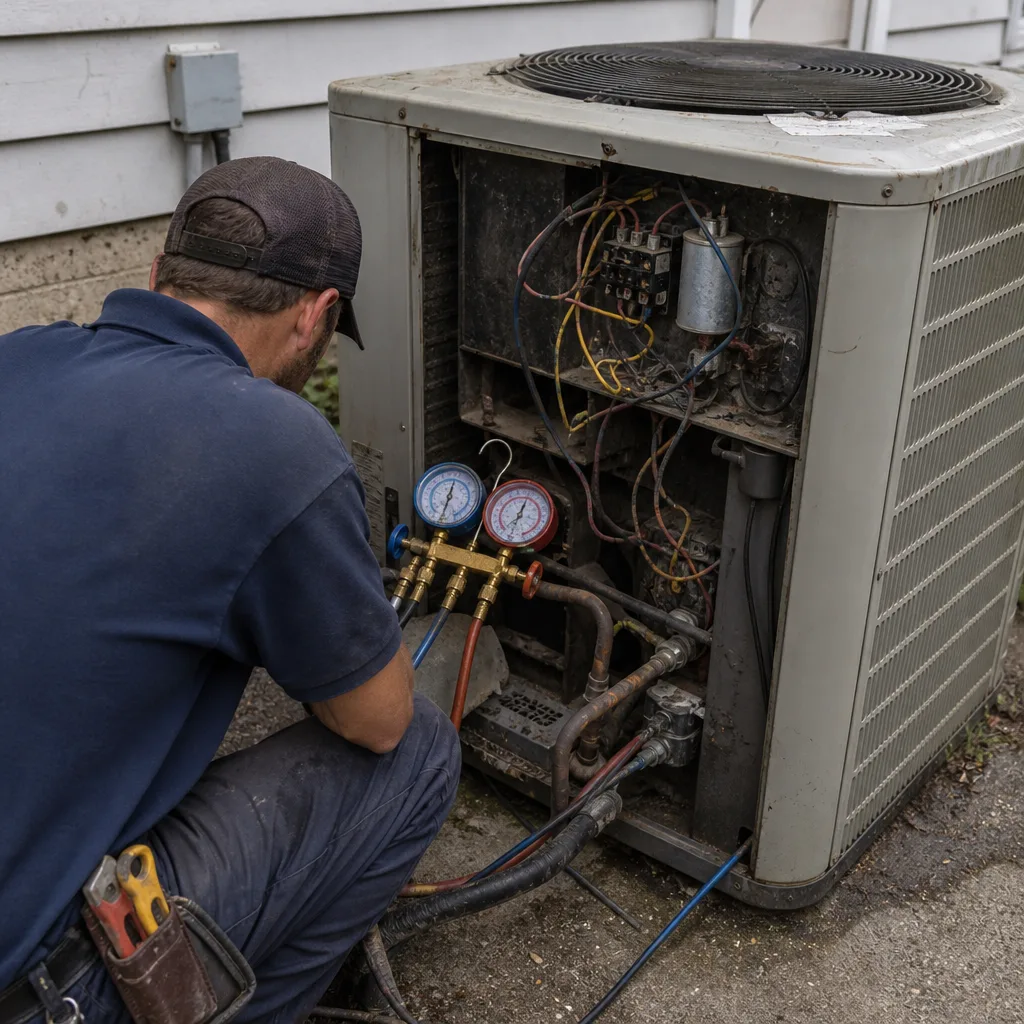 Before
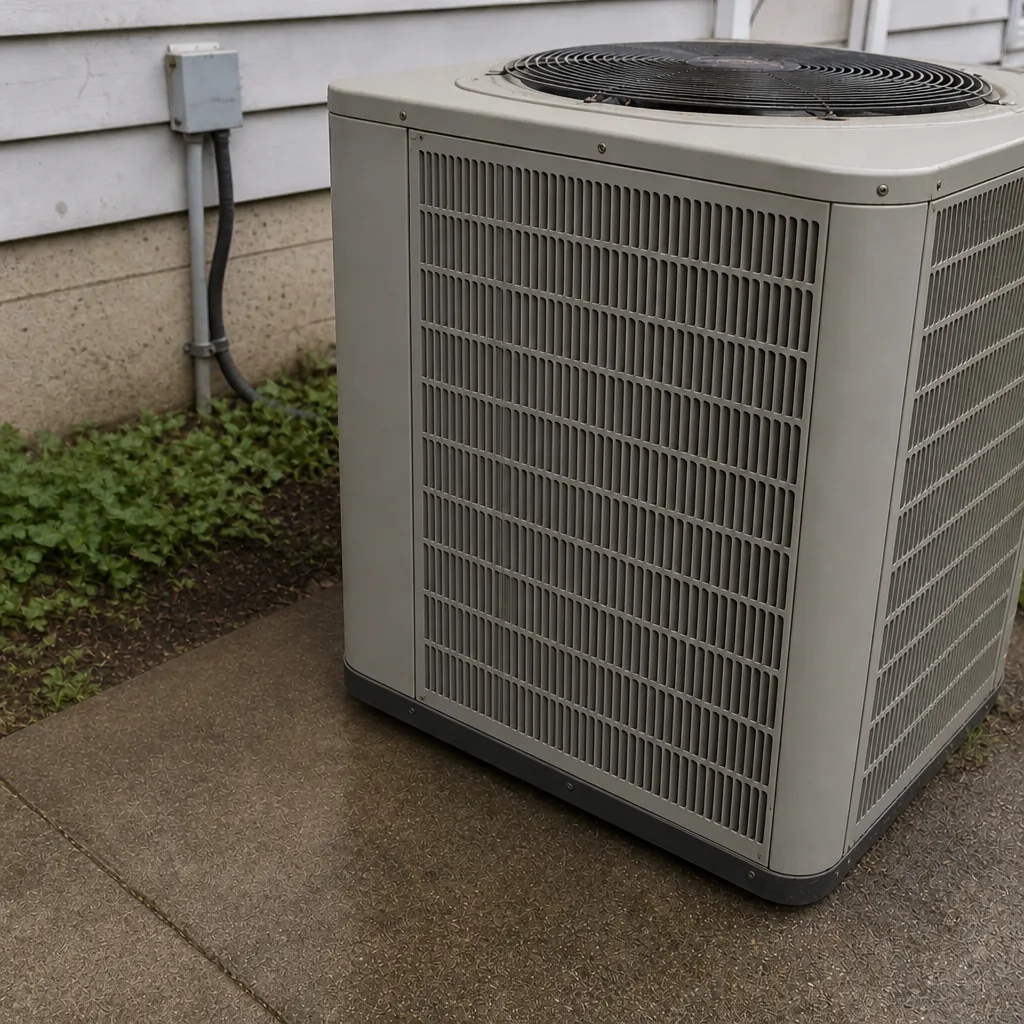 After
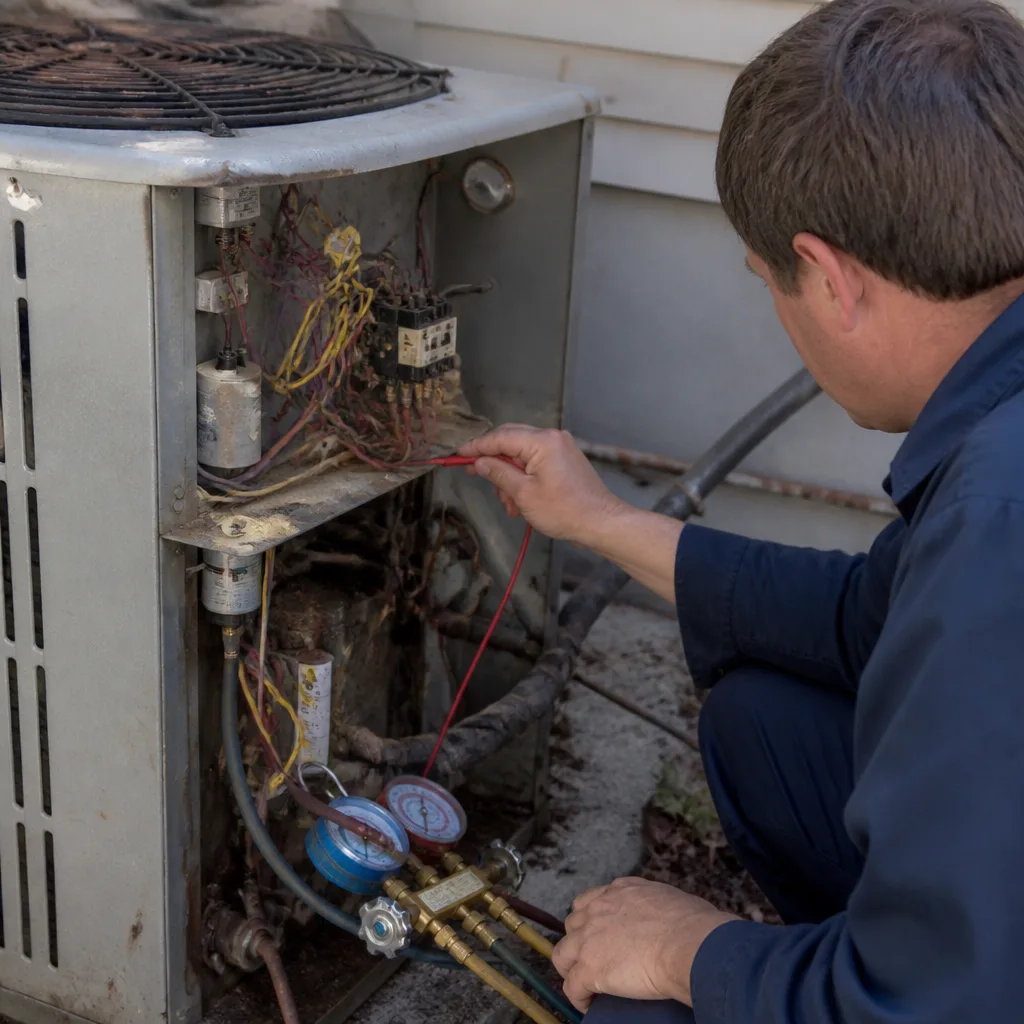 Before
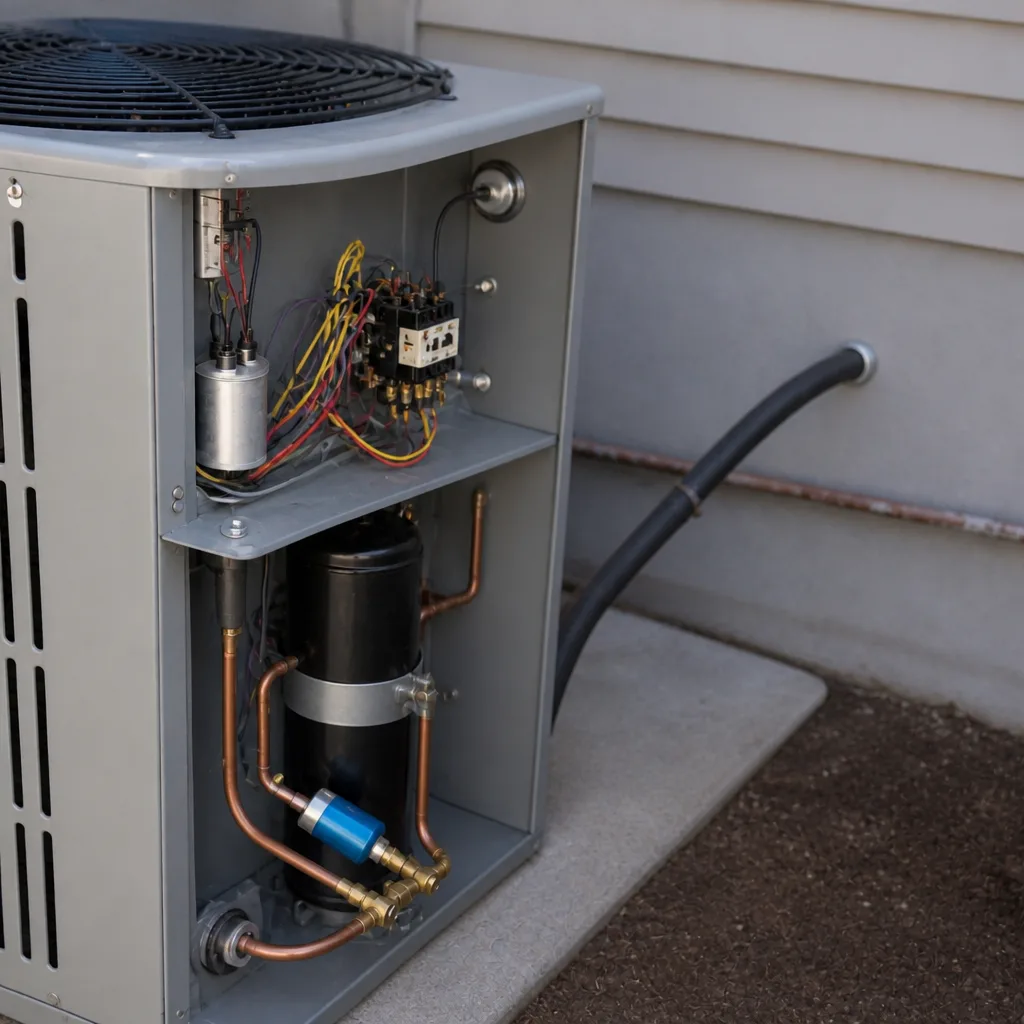 After
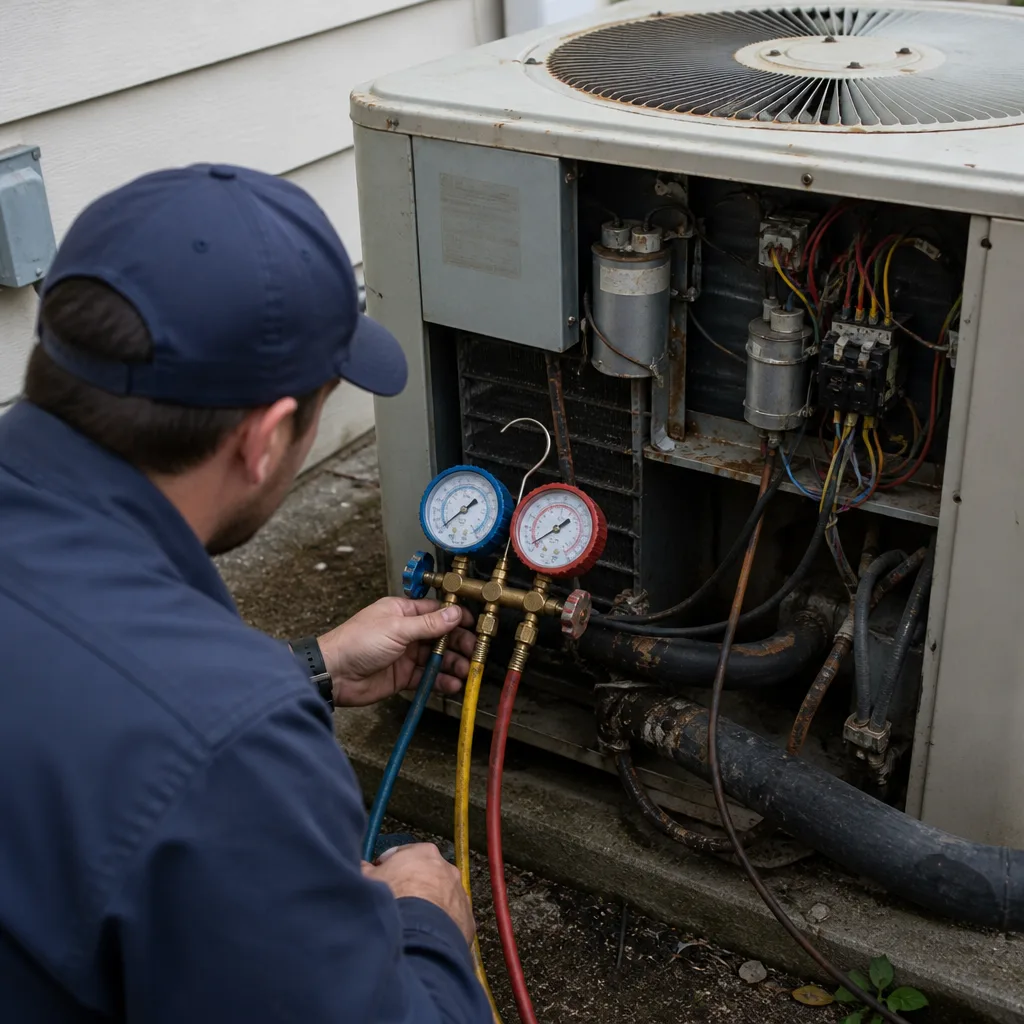 Before
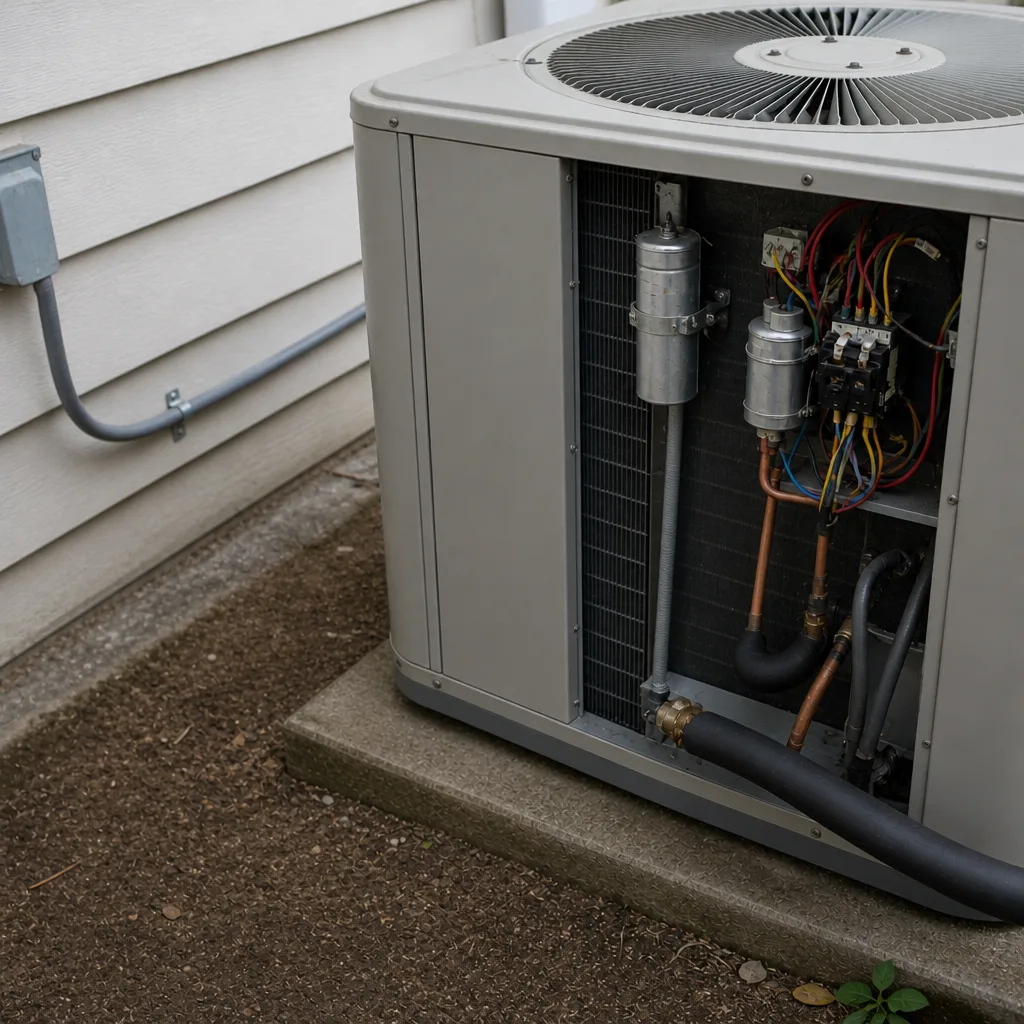 After