
Last updated November 14, 2026
 AC repair
 Furnace & heating
 Heat pumps
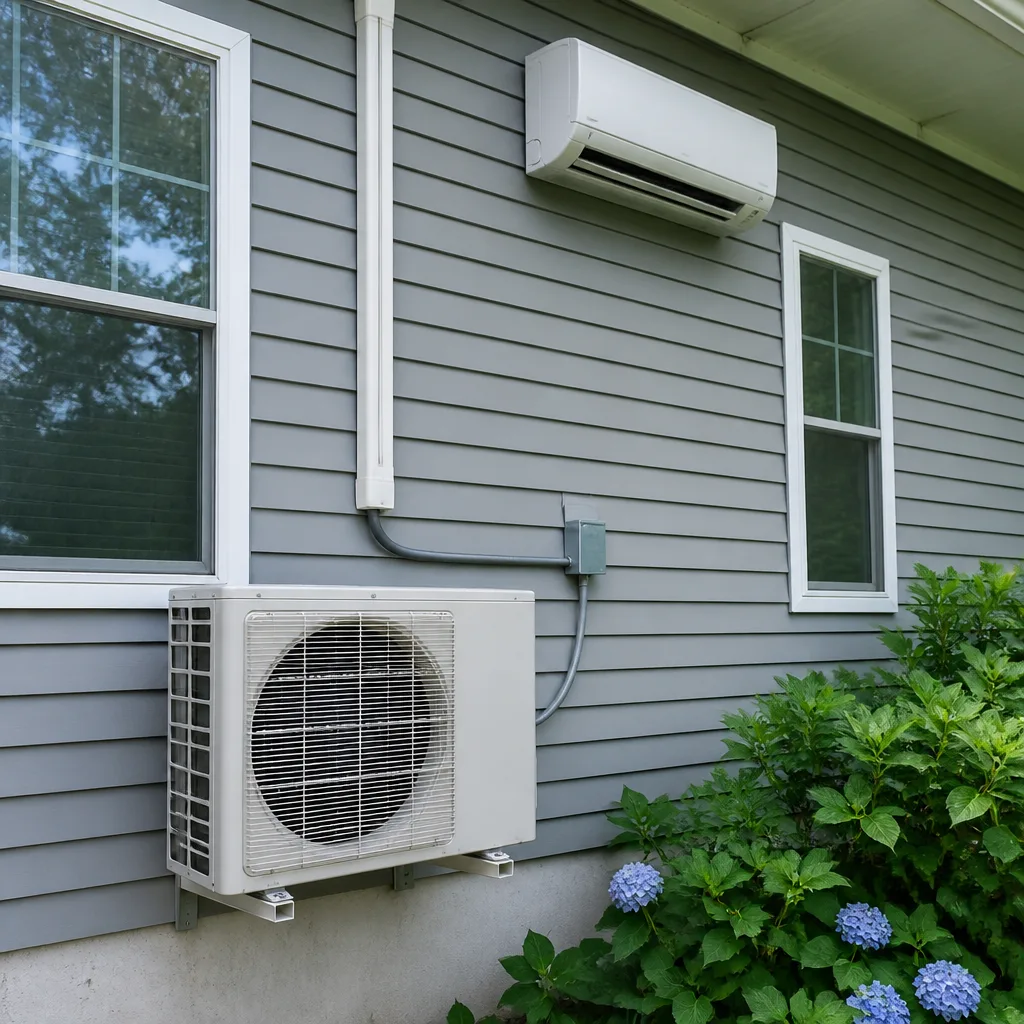 Ductless mini splits
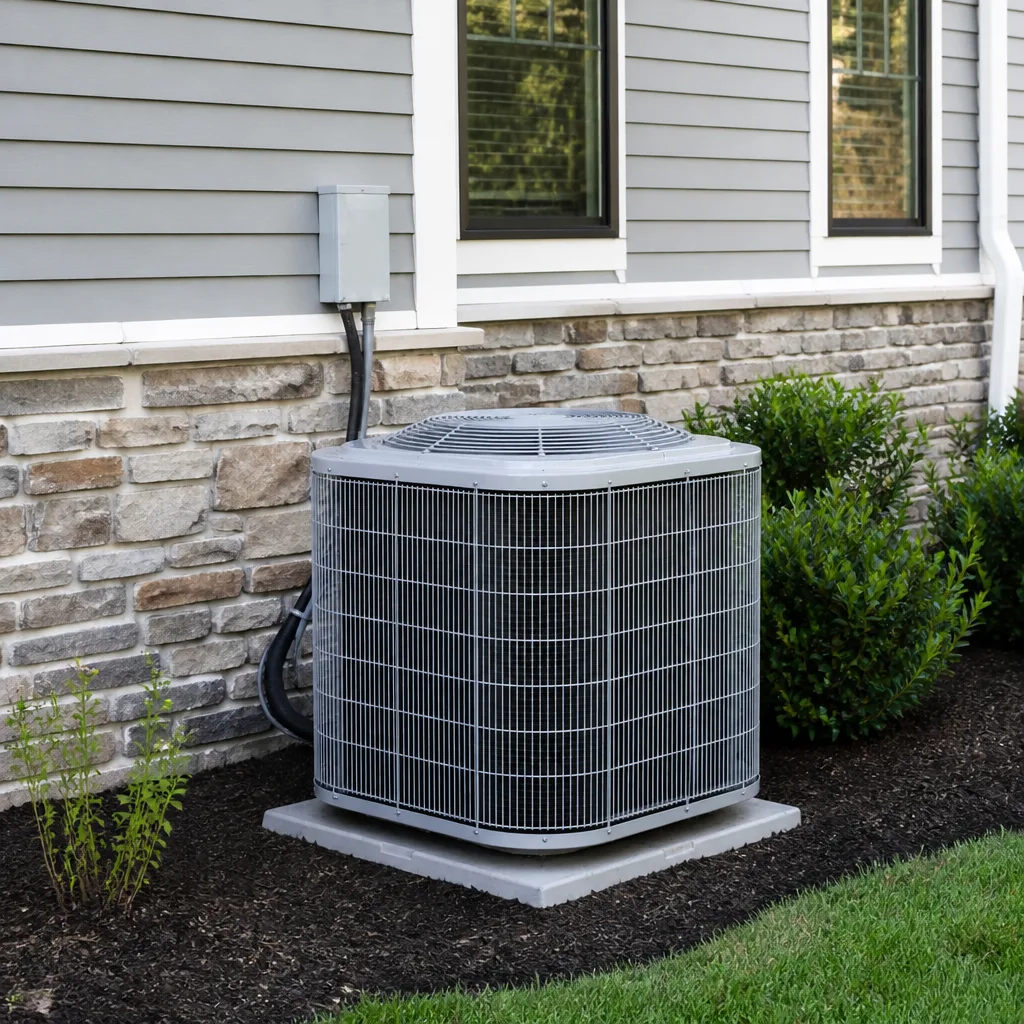 Carrier
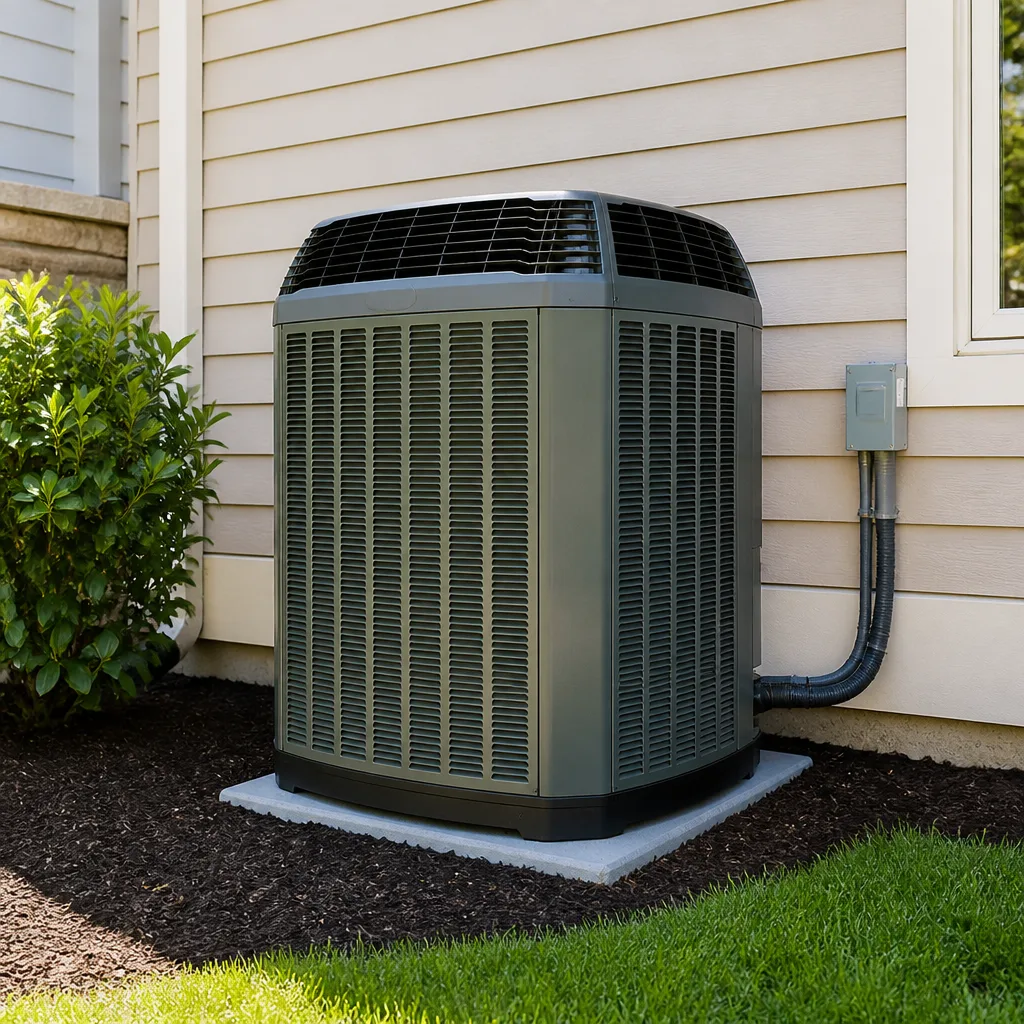 Trane
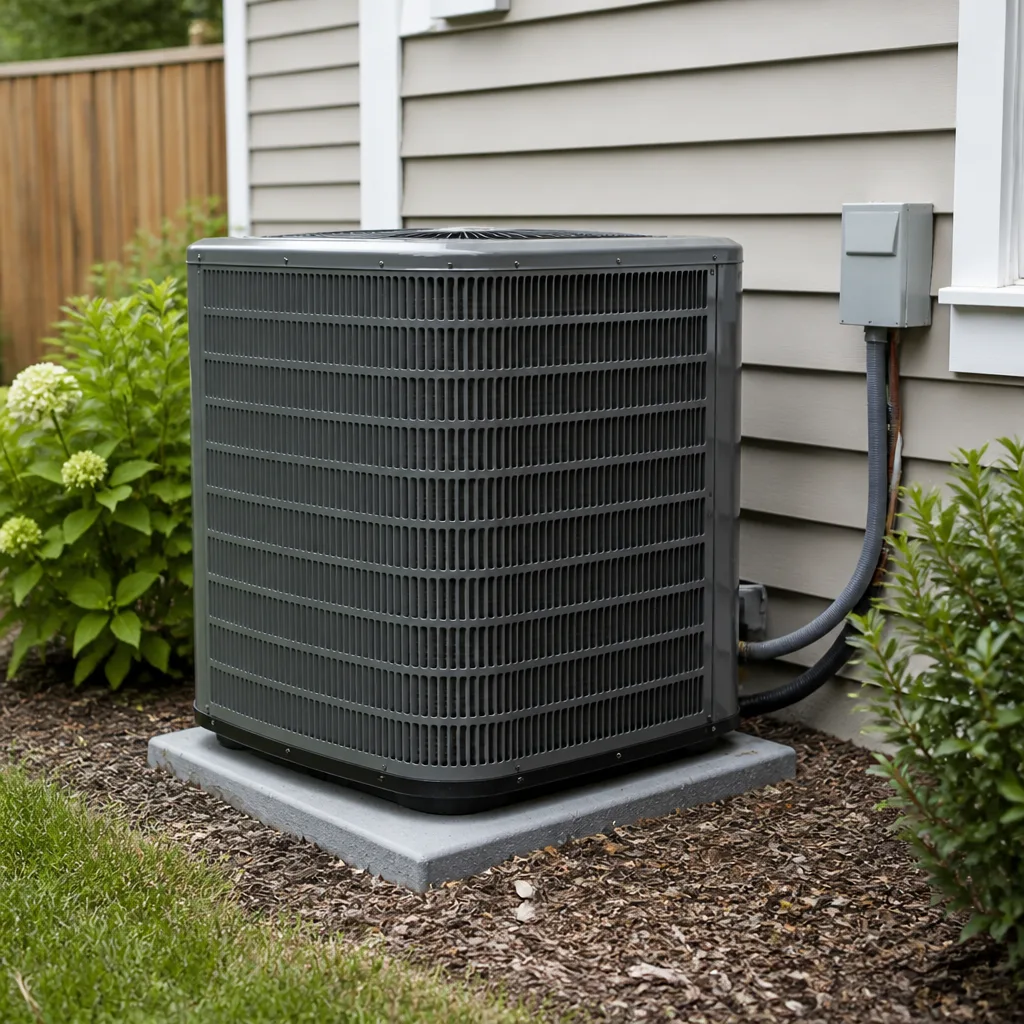 Goodman
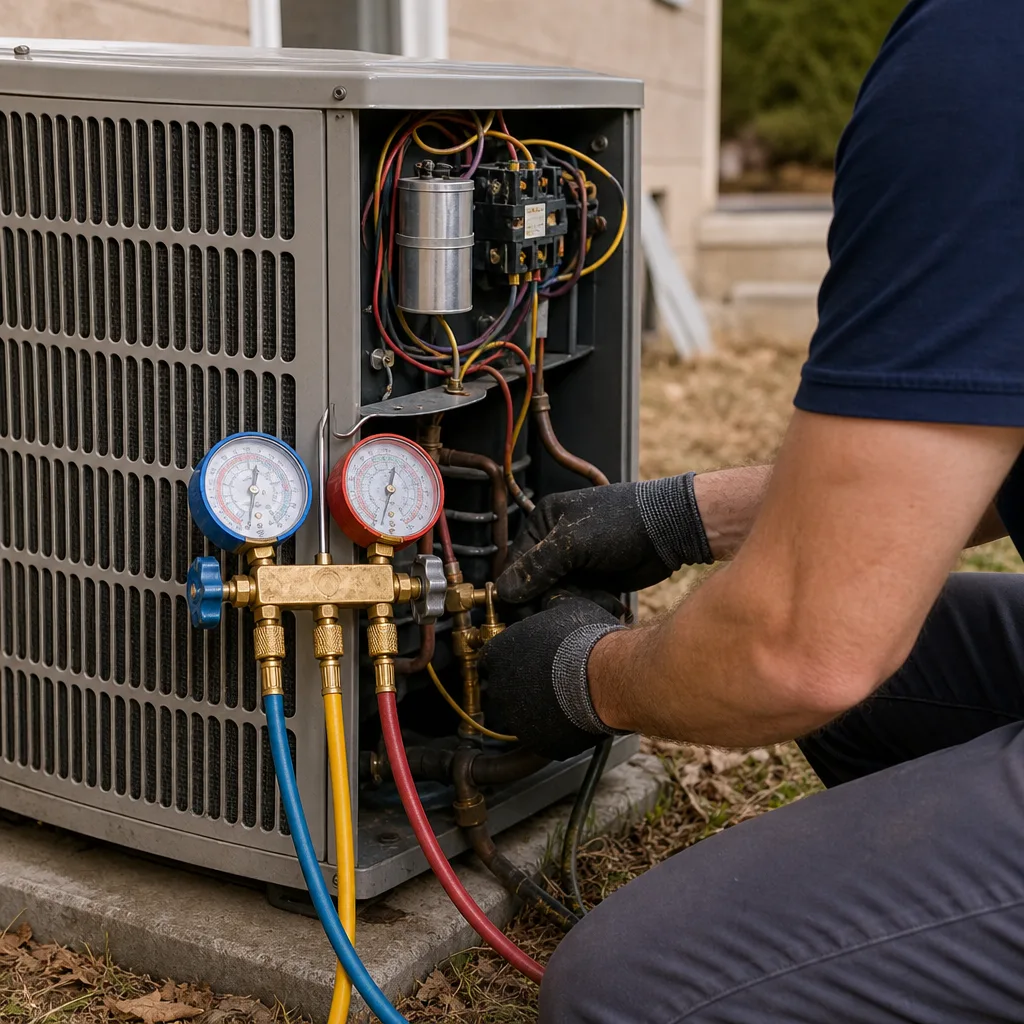
Seasonal tune-up and full diagnostic on your Carrier, Trane, or Goodman system - readings shown to you before any repair is proposed
Diagnosis first, numbers second - you approve the repair price before a single part goes in.
Get your free estimateSeasonal HVAC Care for Provo: Year-Round Homeowner’s Guide
Most homeowners treat HVAC care as a summer-only chore. In Provo, that assumption costs people real money. This valley gives you four genuinely distinct seasons, and the awkward ones in between – March and October especially – can hand you a morning cold enough for the furnace and an afternoon warm enough for the AC. Equipment that never got transitioned properly is the equipment that quits on the first genuinely cold or hot day. This guide maps each season’s actual tasks to the climate events that drive them, so you know what to check, what to leave to a technician, and when to call.
Quick Answer
Year-round HVAC care in Provo means matching maintenance to four real seasons: a spring AC startup timed to the last frost and cottonwood bloom, summer management for 100°F stretches, a fall furnace startup that catches heat exchanger and ignition problems before the first heating call, and winter filter changes on a shorter interval because inversion-season air quality loads your filter faster. The shoulder weeks in March and October, when heat and cooling both run, are where most equipment gets neglected.
Styles & brands we work with
- AC repair
- Furnace & heating
- Heat pumps
- Ductless mini splits
- Carrier
- Trane
- Goodman
Table of Contents
- Why Year-Round Care Actually Matters in Provo
- Spring: The AC Startup Sequence
- Summer: Managing 100°F Demand
- Fall: The Furnace Startup Checks
- Winter: Inversion Season and Your Filter
- The Overlap Week Playbook
- Common Mistakes to Avoid
- When to Call a Professional
Why Year-Round Care Actually Matters in Provo
The case for year-round care isn’t a sales pitch. It’s a mechanical fact about how heating and cooling equipment wears. Every system in a Provo home spends part of the year idle and part of it running hard. The failures that hurt most happen at the handoff between those states – the first hot afternoon in June, the first freezing morning in November – because that’s when a dormant system is asked to do full work with no warm-up. A blower that sat for eight months doesn’t get gentler on startup.
Provo sits in a valley with a genuine continental climate: cold winters, hot dry summers, and spring and fall that swing wide within a single day. That swing is the part most maintenance advice ignores. National checklists assume a mild shoulder season and a slow ramp into summer. Here the ramp is short. You can go from furnace weather to AC weather in about two weeks, and the system never gets a gradual introduction.
The practical translation is simple. Spring and fall are when you inspect and prepare. Summer and winter are when you run and monitor. Skip the preparation and you spend the season reacting instead of running.
The other thing worth saying plainly: this isn’t about brand loyalty. Whether your home has a Lennox, a Goodman, or a Rheem, the seasonal physics are the same. What changes is the diagnosis. A technician who knows the specific equipment in your home finds the problem faster than one reading a spec sheet for the first time. That’s the whole argument for brand-specific service, and it’s why we work on the equipment you already own rather than steering you toward a single manufacturer.
Spring: The AC Startup Sequence
Spring in Provo doesn’t arrive on a calendar date, and neither should your AC startup. The trigger to watch is the last frost – typically behind us by mid-to-late April in the valley – combined with the cottonwood bloom that follows. Cottonwood fluff is the single biggest spring load on a condenser in this area. It mats into coil fins and outdoor unit grilles in a way that ordinary dust never does, and a clogged coil makes the system work harder from its first week of the season. If you’ve ever wondered why an AC that ran fine last September feels weak in June, cottonwood is a common answer.
Here’s the startup sequence we walk through, in order:
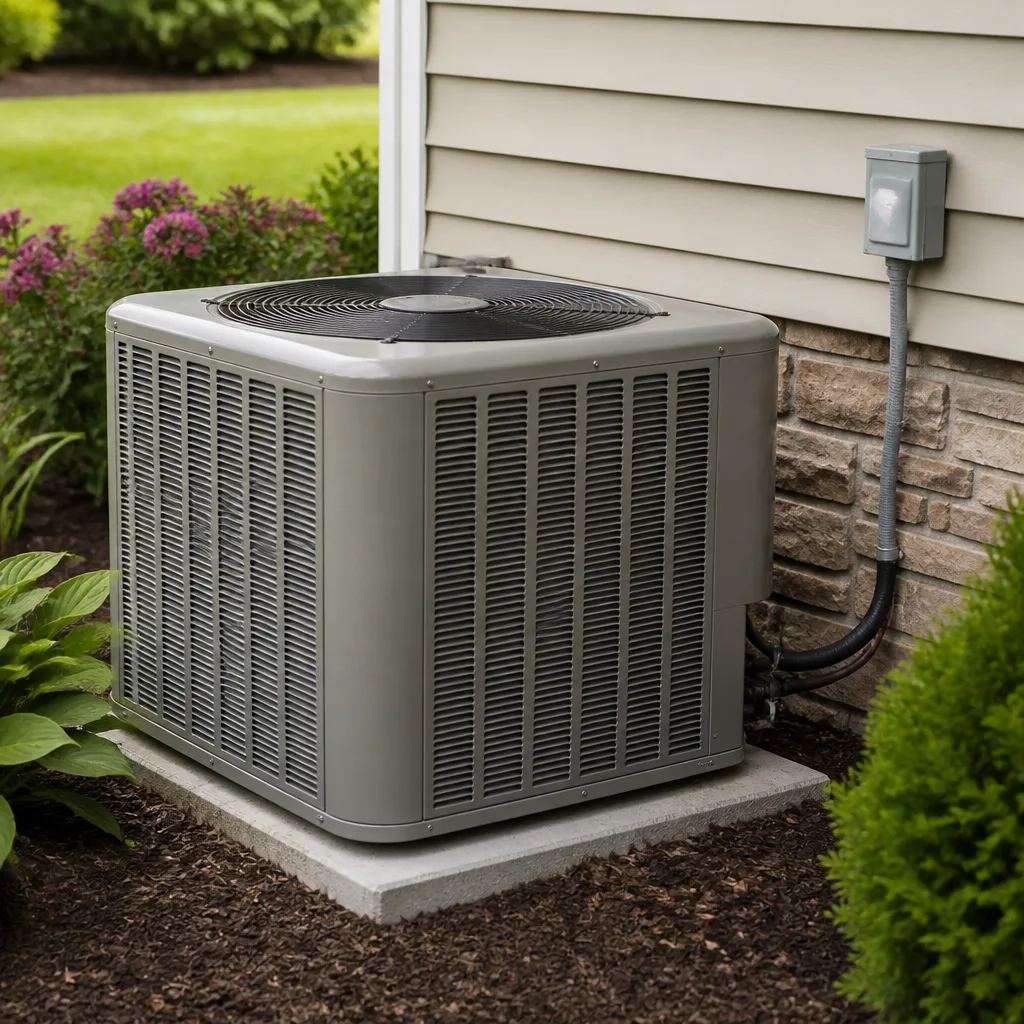
- Clear the outdoor unit. Remove cottonwood fluff, leaves, and debris from the top grille and around the base. Keep at least two feet of clearance on all sides.
- Rinse the condenser coil. A gentle hose rinse from the inside out clears the cottonwood film that builds on the fins. Don’t use a pressure washer.
- Replace the air filter. Spring is a natural filter change point regardless of what the filter looks like. Cottonwood season loads it fast.
- Check the condensate drain. The drain line and pan should be clear before the cooling season starts. A clogged drain is one of the most common causes of a mid-summer shutdown.
- Test the thermostat in cooling mode. Run the system for a few minutes and confirm it starts, blows cold, and cycles off normally.
- Schedule a full check if anything is off. Weak airflow, odd noises, or short cycling at startup are worth a proper look before the first hot stretch.
The order matters. Clearing the cottonwood before you run the system keeps that debris out of the coil. Testing before the first 95°F day means you find a problem while there’s still time to fix it without an emergency call. If your system is older and struggling, this is also the season to think honestly about whether repair or replacement is the right call – more on that below.
Summer: Managing 100°F Demand
Provo summers regularly push past 100°F, and those days are when your AC earns its keep and takes its worst beating. A residential system is designed for a design-day temperature, and when the mercury climbs above it, the system runs longer, cycles less, and works closer to its limit. That’s normal. What isn’t normal is a system that never catches up, runs constantly, or blows lukewarm air in the afternoon.
The goal in summer isn’t to baby the equipment. It’s to reduce unnecessary stress without sacrificing comfort. A few habits do most of the work:
- Raise the setpoint a few degrees during the day. A 78°F setpoint instead of 72°F reduces runtime significantly on a 100°F day while keeping the house comfortable with ceiling fans running.
- Shade the outdoor unit. A condenser in direct afternoon sun works harder than one in shade. A shade cloth or awning above the unit – not blocking airflow – helps.
- Close blinds on west-facing windows. Late-afternoon solar gain is the biggest single load on a Provo home in July and August. Blocking it beats fighting it with the compressor.
- Keep the filter clean. A dirty filter restricts airflow, which makes the system run longer and colder than it should. In summer, check it every month.
- Don’t block supply vents. Furniture and curtains over vents create pressure problems and uneven cooling.
There’s also a hard truth about 100°F days: an aging system that’s on its last legs tends to fail on the hottest afternoon of the year, not in mild weather. If your system has been struggling through the first real heat wave, that’s your warning. For an AC that’s simply worn out, an efficient AC installation planned now beats an emergency replacement in August. When something fails outright, quick AC repair gets you cool again, and we stock and service the parts for the common brands across the valley.
Fall: The Furnace Startup Checks
Fall is when the most expensive problems get caught cheaply. A furnace that hasn’t run since March is a furnace with eight months of accumulated dust, a filter that may be overdue, and a heat exchanger that has had a full cooling season of thermal cycling since anyone looked at it. The first heating call of the season is a bad time to discover a problem. The fall startup is the good time.
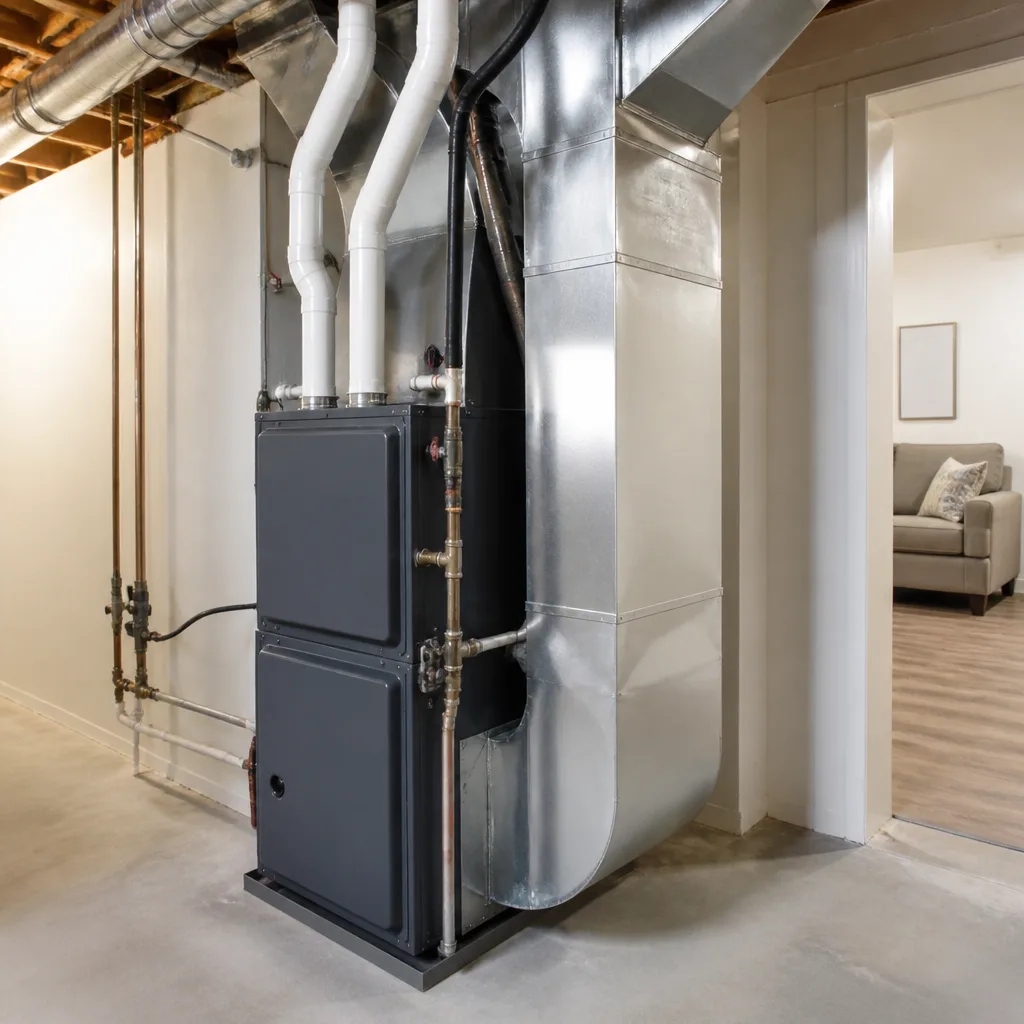
A proper furnace startup covers a specific set of checks, and they’re worth understanding even if a technician does the work:
- Heat exchanger inspection. The heat exchanger is where combustion gases transfer heat to your home’s air, and a crack or failure in it is serious. It’s also the check most worth leaving to a trained technician with the right tools.
- Gas pressure check. Incorrect gas pressure affects combustion efficiency and safety. This is a measurement, not a visual inspection.
- Ignition sequence test. The furnace should light reliably and in the right order. A weak igniter or a dirty flame sensor shows up here before it leaves you with a cold house.
- Flue and venting check. The exhaust path should be clear and correctly connected. Blocked venting is a carbon monoxide risk, which is why this isn’t a homeowner inspection.
- Blower and filter check. The blower wheel and filter should be clean before the heating season loads them.
- Thermostat test in heating mode. Confirm the system calls for heat, lights, and reaches temperature.
We want to be direct about one thing: the heat exchanger and gas side of a furnace are genuinely dangerous to work on without training. A cracked heat exchanger can put combustion gases into your home’s air, and gas pressure adjustments made wrong can create a real hazard. This is work for a technician, not a weekend project. As the heating season approaches, the same AC Repair Provo team you’d call for a summer cooling problem is the one you call for a furnace issue, so there’s no handoff between contractors.
Winter: Inversion Season and Your Filter
Provo winters bring an air quality pattern you feel in your chest and your filter feels even sooner: the winter inversion. Cold air settles in the valley and traps pollutants near the ground for days at a time. For HVAC equipment, the practical consequence is that your filter loads faster than it does in any other season. This is the seasonal detail most generic maintenance advice never mentions, and it matters here more than almost anything else on this list.
During January and February, especially during an inversion, shorten your filter change interval. A filter that would normally last you three months may be visibly loaded in four to six weeks. Check it by eye – hold it up to a light – rather than by the calendar. If you can’t see light through it, it’s due.
The rest of the winter routine is straightforward:
- Check the filter every few weeks during inversion periods. Change it often enough that airflow stays strong.
- Keep supply and return vents clear. Snow gear, furniture, and rugs piled around returns restrict airflow.
- Listen for changes. A furnace that starts running longer, short-cycling, or making a new sound is telling you something.
- Watch the condensate line if you have one. Cold weather can affect drain paths on some systems.
- Don’t ignore a carbon monoxide detector. If it goes off, get out of the house and call for help. That isn’t a fault-finding job for a homeowner.
Winter is also when furnace repairs become urgent rather than inconvenient. A failed furnace in a Provo January isn’t just uncomfortable – it’s a real risk. If your heat quits, that’s a call, not a wait-and-see.
The Overlap Week Playbook
This is the section you won’t find in a national maintenance checklist, because most of the country doesn’t have the problem. In Provo, March and October regularly deliver a morning cold enough for the furnace and an afternoon warm enough for the AC. Sometimes it’s the same day. The overlap week is real, and it’s where systems get neglected because homeowners don’t know which mode to prepare for.
The answer is both. Here’s how to handle it:
- Don’t shut either system down for the season. Keep both the furnace and the AC in service until the weather settles, usually into late spring or mid-fall.
- Do a quick check on both. Run the AC briefly on a warm afternoon and the furnace briefly on a cold morning. Catching a problem in an overlap week gives you time to fix it calmly.
- Watch your filter through the transition. A filter that handled heating all winter is now the filter the AC will breathe through all summer. Change it at the handoff.
- Expect the thermostat to do its job. If your thermostat struggles to hold a comfortable temperature while switching between modes, that’s worth a look.
- Prioritize the season that’s coming. In March, get the AC ready even if the furnace is still running. In October, get the furnace ready even if the AC still runs.
Provo’s shoulder weeks are where a generalist contractor gets exposed. A company that only does cooling won’t think about your furnace in October. A company that spreads itself across plumbing, electrical, and HVAC is stretched too thin to be expert at any of it. We keep our menu focused on three services – cooling repair, cooling installation, and furnace repair – because that focus is what makes the shoulder season manageable.
Common Mistakes to Avoid
- Running the AC before clearing cottonwood. Cottonwood season in Provo is short but intense. Starting the system with fluff packed against the coil means working harder from day one.
- Treating filter changes as a fixed calendar. Winter inversion season and a house full of pets or a nearby construction project all shorten the interval. Check by eye, not by the month.
- Skipping the fall furnace check because the AC still runs. The furnace needs its own look before the first heating call. An AC that worked all October tells you nothing about the heat exchanger.
- Shutting systems down completely during shoulder seasons. An overlap week is the easiest time to find a problem. Shutting down the furnace in early March or the AC in early October means skipping that chance.
- Ignoring a system that “still works.” A system that short-cycles, runs constantly, or sounds different is telling you something. Waiting for a total failure usually lands you in the middle of a heat wave or a cold snap.
- Trying to inspect the heat exchanger or gas side yourself. Leave combustion-side work to a trained technician. The risks are real and the tools matter.
- Assuming a new system will fix a comfort problem. Sometimes it will. Sometimes the real issue is a filter, a blocked vent, or a thermostat. Get a diagnosis before deciding to replace.
When to Call a Professional
Some seasonal tasks are yours: filters, clearance, vents, and a basic thermostat test. Others are for a trained technician. Call when the AC blows warm, when airflow feels weak even with a clean filter, when the system short-cycles, or when it won’t start at all. Call when the furnace lights and shuts off repeatedly, makes a new noise, or fails to warm the house. And call for anything combustion-side: gas smell, a carbon monoxide alarm, visible corrosion at the heat exchanger, or a furnace that hasn’t been checked in a while. We offer free estimates in Provo, so there’s no cost to finding out what’s actually wrong. Call Provo‘s AC and furnace repair team at (855) 657-5471. We answer 24/7, with fast dispatch from 7am to 7pm, Sunday through Friday.
See the difference
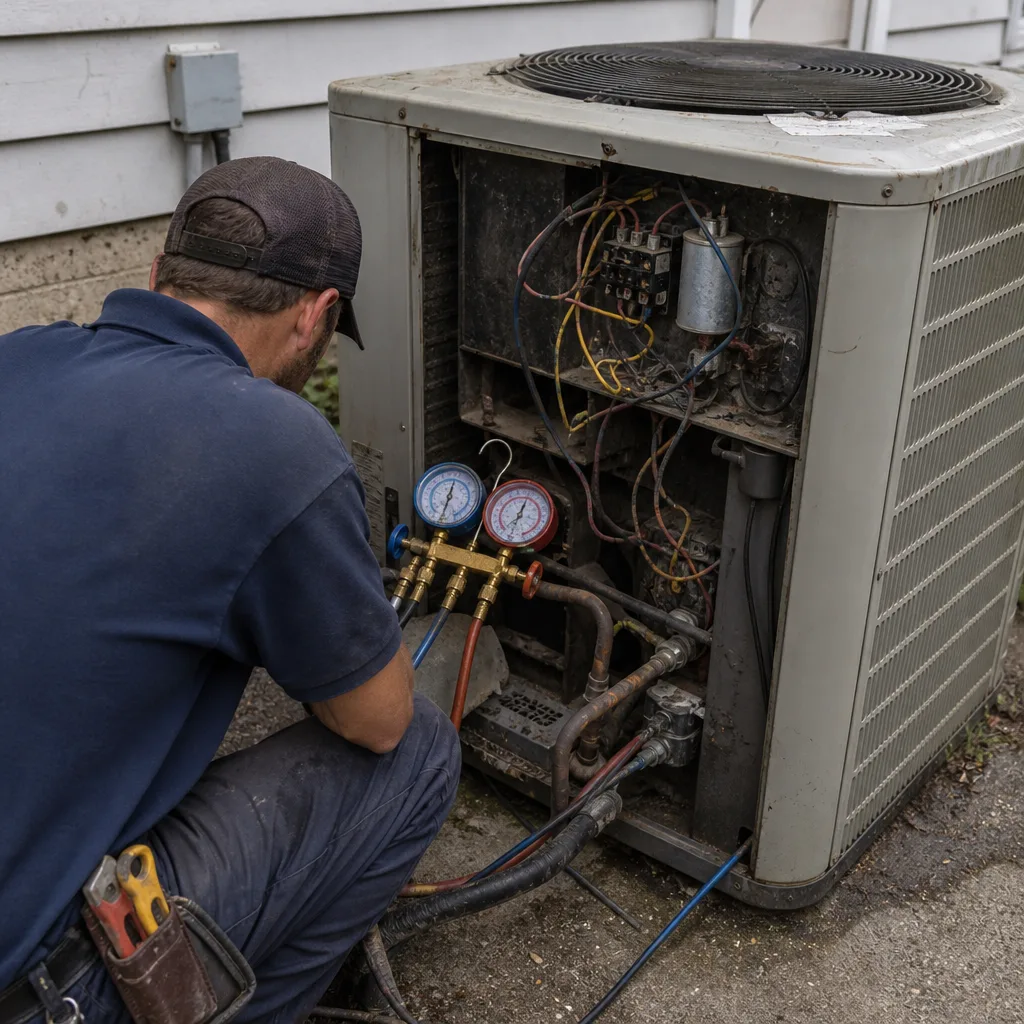 Before
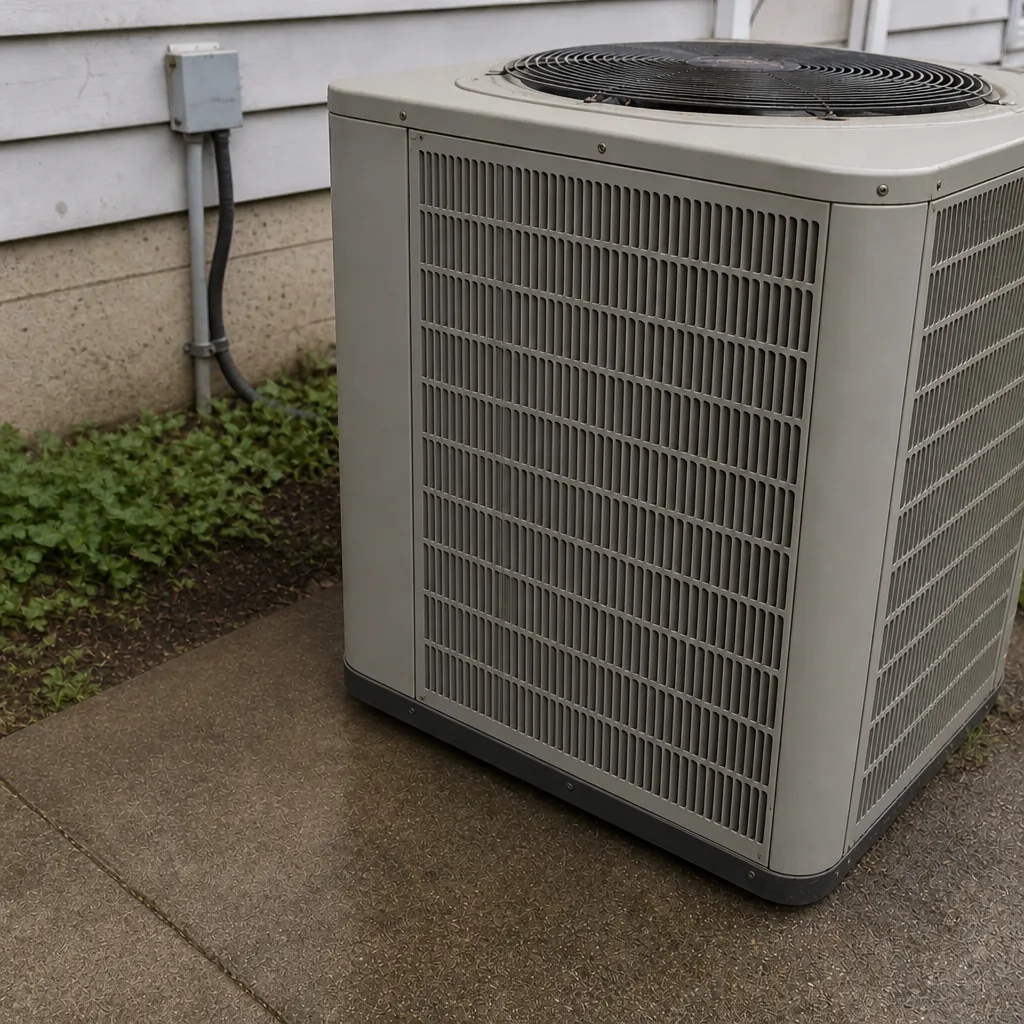 After
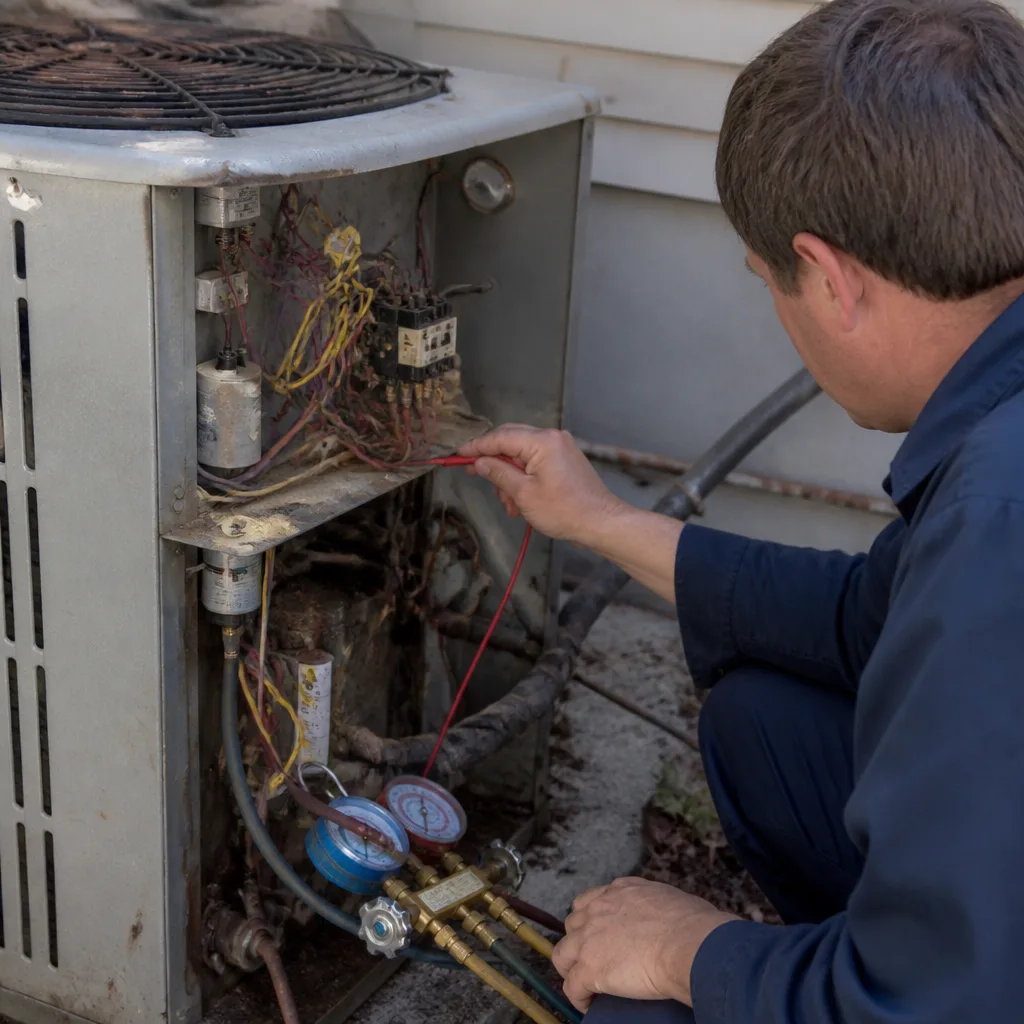 Before
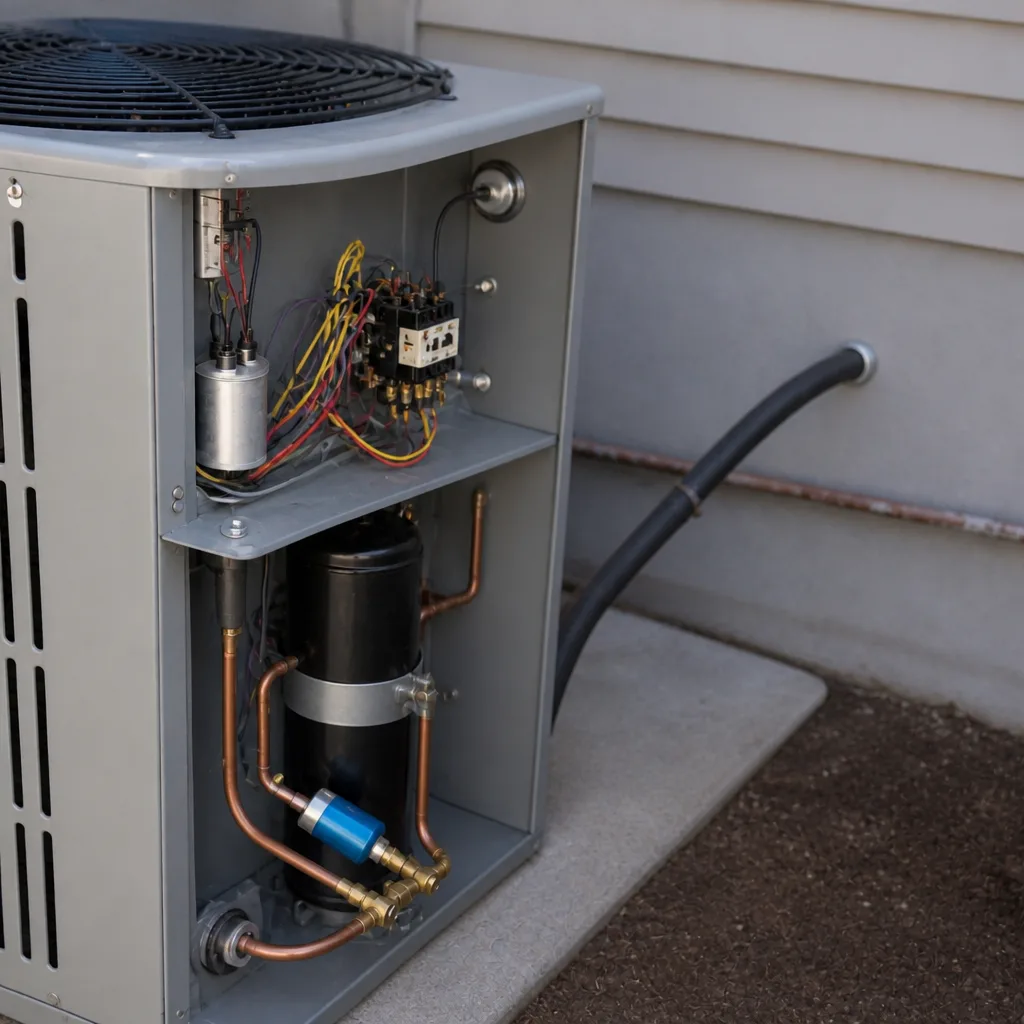 After
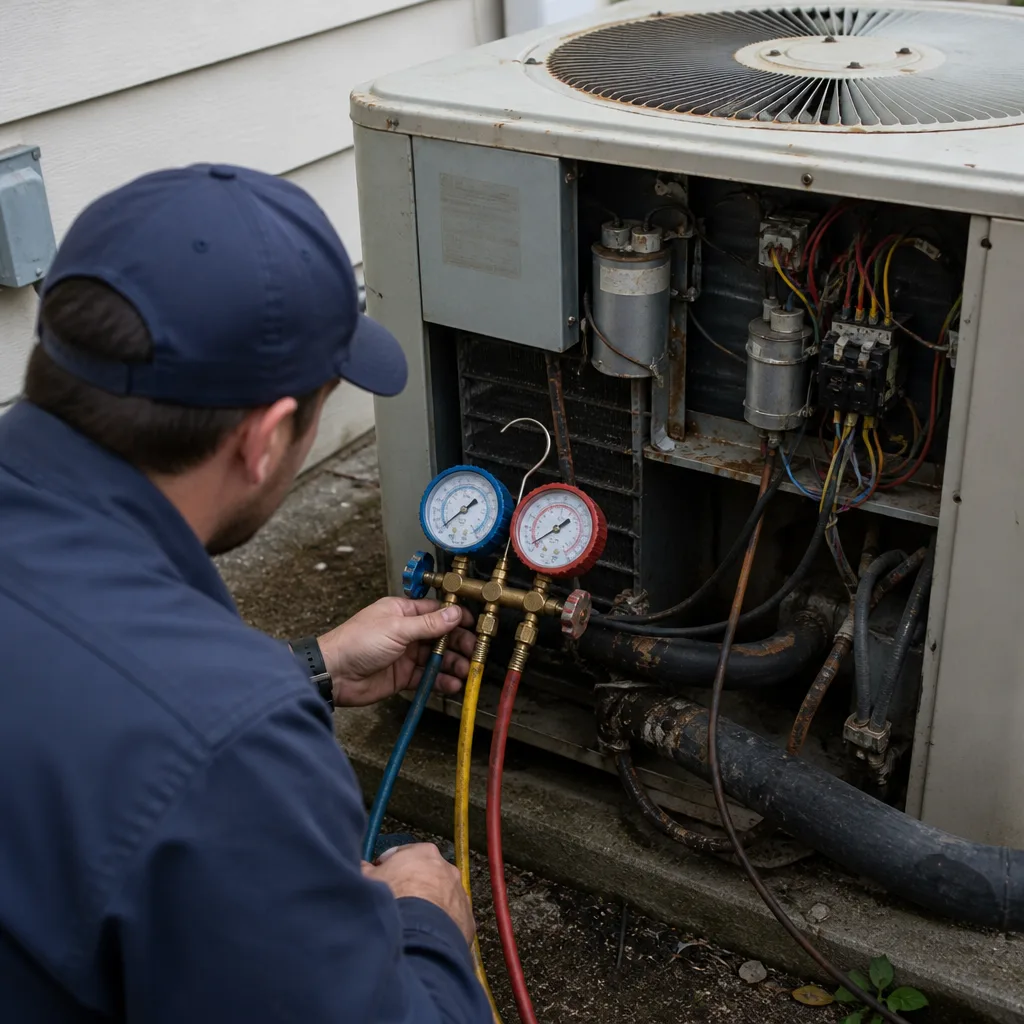 Before
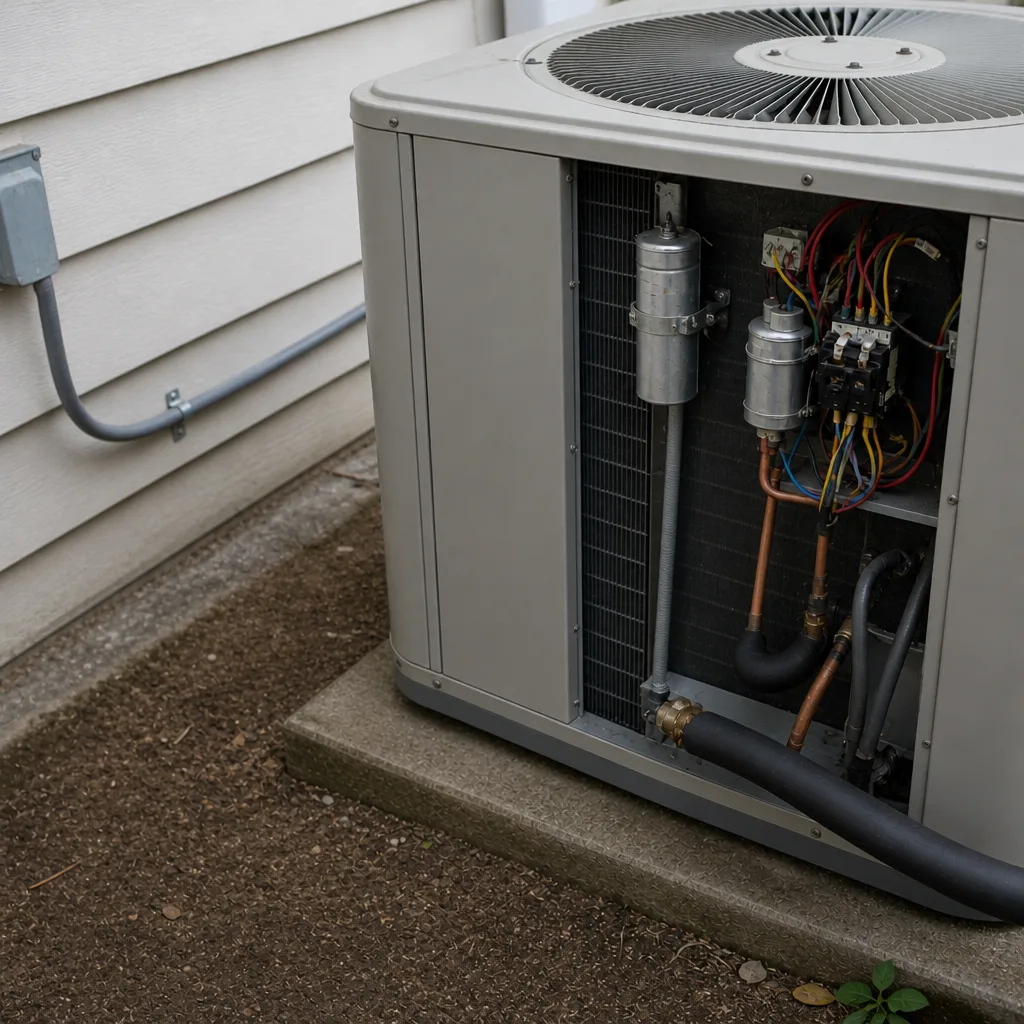 After
Frequently Asked Questions
Every one to three months for most homes, and more often during January and February inversion season. Check the filter by eye – if you can’t see light through it, it’s due.
Spring, ideally after the last frost and before the cottonwood bloom, which usually means April. Clearing the outdoor unit of cottonwood fluff and checking the drain before the first hot stretch prevents most early-summer problems.
Yes, because the most important checks are the ones you can’t do by eye – heat exchanger condition, gas pressure, and ignition sequence. A furnace that “seems fine” in October can have a problem that only shows up on the first cold morning.
Provo’s winter inversion traps pollutants near the ground, so your filter captures more from the indoor air and outdoor load. During January and February, check it every few weeks rather than on a quarterly schedule.
Yes, and in March and October you probably will. Provo’s shoulder seasons are real. Keep both systems in service, test each when you get the chance, and change the filter at the handoff.
It depends on the diagnosis, the equipment’s age, and what the manufacturer specifies for your model. A proper diagnosis tells you whether a repair is the right fix or replacement is the more sensible path. We work on your brand – Lennox, Goodman, Rheem, York, and more – so the recommendation is based on your equipment, not on which brand we’d rather sell. Call (855) 657-5471 for a free estimate on either option.
The Bottom Line
Year-round HVAC care in Provo isn’t a marketing slogan. It’s the difference between preparing in the shoulder seasons and reacting in the extremes. Spring belongs to cottonwood clearing and the AC startup. Summer belongs to smart demand management and knowing when a struggling system has reached its limit. Fall belongs to the furnace checks that catch the big problems early. Winter belongs to a filter schedule shortened by inversion season. And March and October belong to keeping both systems ready, because both will run. That routine keeps your equipment out of emergency territory and your home comfortable through all four seasons. If you’d rather have a technician handle the checks, our number is at the bottom of this page.
Written by the team at AC Repair Provo, serving Provo since 2013.